The Chevy Stovebolt Six: The 72-Year Legacy of the "Cast-Iron Wonder"
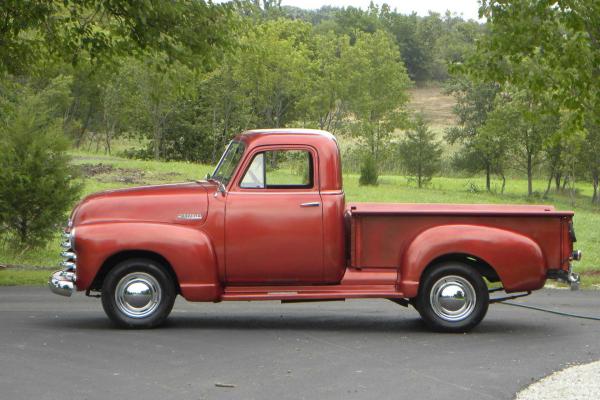
by AutoExpert | 26 January, 2026
Nobody at Chevrolet actually named it the Stovebolt. When the inline six-cylinder showed up in 1929, gearheads took one look at those slotted bolts holding the pushrod covers and oil pan together and started laughing. They looked exactly like the bolts on woodburning stoves everybody had at home. The nickname caught on instantly. Chevy never called it that officially, but good luck getting anyone to call it anything else.
The whole thing wasn't about being fancy. Chevrolet wasn't chasing speed freaks or rich buyers. They did something kind of crazy: killed off their entire four-cylinder lineup and started selling six-cylinder cars at four-cylinder prices. So regular people got smoother, quieter engines without spending more money. Ford was still acting like six-cylinders were some premium feature. Chevy just gave them to everyone.
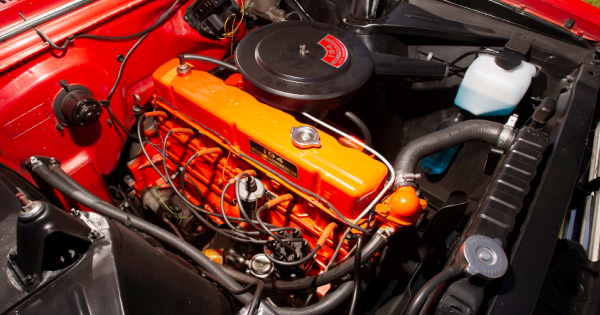
The engine was built smart but cheap. Overhead valves helped it breathe better, but they saved money everywhere else. Splash lubrication, only three main bearings instead of the four or seven modern engines use. Nothing fancy, just good enough. That approach, plus the low price, made it absolutely huge for Chevy.
Why Everyone Loved It
The Stovebolt got its reputation from actually being driven. Those early ones weren't fast, but they barely vibrated and put up with all kinds of abuse. Bad gas, skipped oil changes, hauling heavy stuff. Didn't matter. Chevrolet kept improving it through the '30s and '40s, making it bigger and more powerful, but it stayed bulletproof. That first version had 194 cubic inches, which is honestly bigger than some of the monster four-cylinders ever made.
Chevy stuck it in everything. They even tried a hotted-up version in some early sports cars, though nobody was pretending it was a performance engine. The funny thing is, Stovebolt stopped being just about the engine. People started calling all Chevrolets Stovebolts. The six-cylinder basically became the brand. It wasn't winning races or pushing boundaries. It just showed up and did the job every single time.
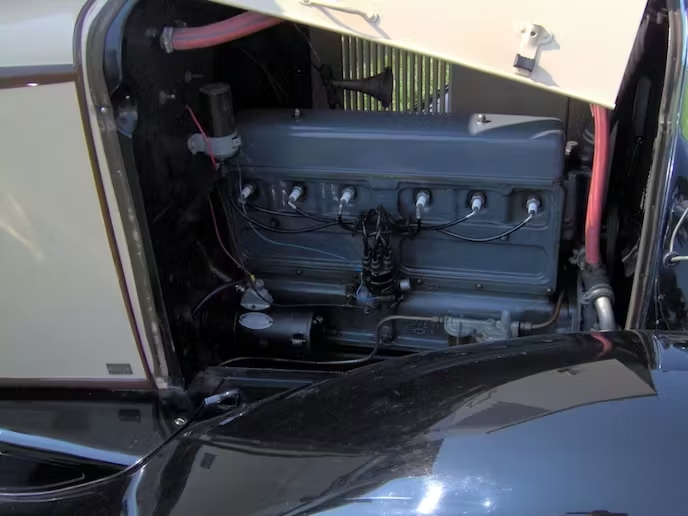
What Made It Different
The thing that really mattered was how long they kept making it. That 1929 design got updated and refined for decades. It was still around after World War II ended. When Chevy finally moved on in 1962 with a new inline six that shared some DNA with the small-block V8 (the mouse motor), the whole idea stayed the same. Build it tough, keep it simple, make it work.
Those newer sixes were better on paper. Smaller, lighter, more advanced. But they never became legends like the Stovebolt did. V8s had taken over as the cool, powerful option by then. Here's the weird part though: Chevy sold tons more six-cylinder vehicles worldwide than V8s, especially trucks and export models. Semi-trucks still avoid V8s for good reasons.
The Stovebolt's legacy isn't about breaking new ground or setting records. It's about what it actually did. Helped Chevy dominate the competition, powered millions of cars and trucks all over the planet, and did it all without needing major redesigns. That kind of track record doesn't need much explaining.