Ice, Fines, and Failsails: The Ultimate 2026 Winter Driving Guide
by AutoExpert | 27 January, 2026
Winter driving is rough. Between slippery roads, dead batteries, and spending forever scraping ice off the windshield every morning, getting to work becomes a total pain. And honestly, tons of people are making it worse for themselves.
You know those drivers who fly through snow and ice like nothing's wrong? Same ones who practically sit on your bumper when they should be giving way more space. But it's not just the speed demons causing problems. Ignoring basic car stuff can be just as bad. Beat-up tires or the wrong kind altogether can send you sliding real quick.
And here's the thing: it's not only about what happens while driving. Sitting in your car with it running and windows up? Yeah, that can actually kill you. Not bothering to clear all the snow off your car? Some places will fine you big time for that. Certain states even make you have snow tires or chains on specific roads when the weather turns nasty. Good news though: most of this is pretty easy to avoid if you just think ahead a little.
Stuff That Causes Accidents
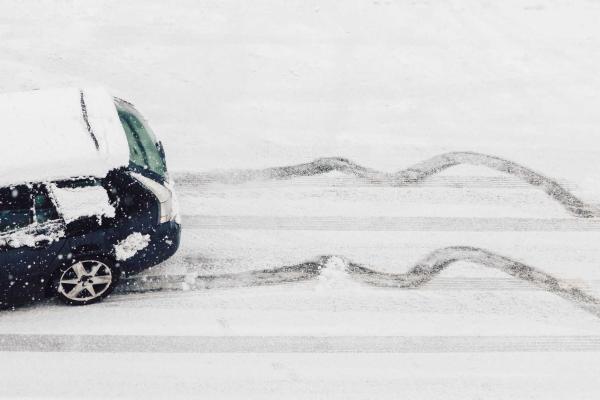
Wet or icy roads aren't the same as dry ones. Seems pretty obvious, but based on how many fender benders and cars end up in ditches every winter, a lot of folks haven't figured that out yet. When it's slushy out there, you've got to slow down. Takes way longer to stop, and if you start sliding, you need time to deal with it.
Same deal with the car in front of you. Leave way more room than normal. Which brings up another thing people get wrong: thinking all-wheel drive or cruise control will save them. AWD helps you get going, sure, but it doesn't help you stop faster. Some people don't get that and end up riding too close to the next car. Terrible idea. And cruise control when there might be ice patches? Also bad. You need to be ready to ease off the gas instantly, not waste time fumbling to turn cruise off first.
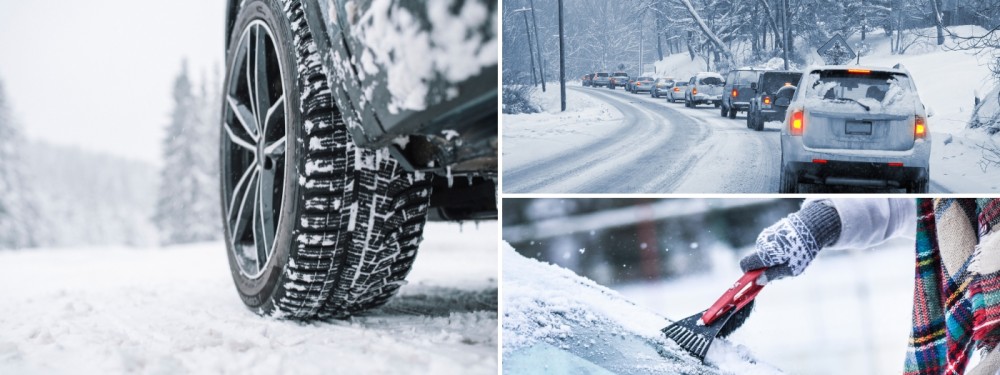
Tires are huge too. Good tread, right type, properly inflated. That's what keeps you stuck to the road. Driving around on bald tires or ones that aren't meant for winter is basically asking for trouble.
Stuff That Can Actually Kill You
Yeah, accidents can be deadly. But some winter mistakes have killed people when their cars weren't even moving.
Big one: sitting in your car letting it idle to stay warm. Everyone knows not to do that in a garage, but some folks think it's totally fine outside. Nope. Snow or ice can block your exhaust pipe, and then carbon monoxide starts filling up the car. You won't even realize it's happening until it's too late. If you need to run the car for heat, only do it long enough to warm up, then shut it off.
Another thing: not having emergency supplies. If you get stuck somewhere in the cold without stuff to keep you alive, that's a really bad situation. The National Weather Service says you should have a flashlight and batteries, first aid kit, shovel, ice scraper, blankets or a sleeping bag, snacks that won't go bad, water, jumper cables, extra gloves and hats, sand or kitty litter, phone charger, and road flares. Throw in a portable jump starter too since cold weather murders batteries.
Stuff That'll Leave You Stranded
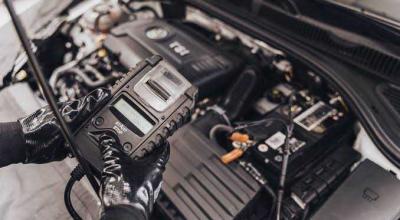
Cold weather absolutely destroys car batteries. If yours is already getting old, winter will probably kill it completely, probably when you really need to be somewhere. But lots of people just forget to check their battery before it gets cold. If it's old, just replace it already.
When's the last time anyone checked their antifreeze? Or flushed the coolant? If it's low or old, your engine could freeze up. You can grab an antifreeze tester for like $4 and it'll tell you exactly how cold your coolant can handle. Usually you want a 50/50 mix of antifreeze and water, but if winters are brutal where you live, you might need more antifreeze.
Transmission problems show up in winter too. The cold makes seals get brittle and crack, then you're leaking fluid. Some people switch to synthetic transmission fluid because it doesn't get thick and gross in the cold. Thick fluid doesn't work right. And you've got to let your transmission warm up a bit before driving or the shifting gets weird and might cause problems.
Stuff That Trashes Your Car
Tire chains work great for snow and ice, unless you put them on wrong. Some people actually install them backwards, which kind of defeats the whole purpose. Or they don't tighten them enough. Loose chains don't grip well and might come flying off, which is dangerous for everyone around. Wrong size chains or ones put on badly can scrape up your tires. And they need enough room so they're not banging into your brakes or suspension.
Check that they work with your anti-lock brakes too. Drive slow with chains on, like under 30. And look for rust because rusty chains can snap while you're driving.
Oh, and don't pour boiling water on your windshield to melt ice. That's how you crack or shatter your glass. Even blasting the heat right away isn't great. Start low, wait for things to defog, then crank it up.
Stuff That Gets You Tickets
Some states actually have laws about this stuff. Colorado can declare "traction law" on highways during storms. Then you either need chains or you need AWD/4WD with decent tread depth. Don't have it? That's a $50 ticket.
Ever just scrape off your windows and leave a bunch of snow on the roof because you're running late? New Hampshire will hit you with a $310 fine for that. They made it a law after someone died when snow flew off a truck and caused a crash. New Jersey fines you $25 to $75 for having snow on your roof. If it falls off and hurts someone, you're looking at $200 to $1,000.
Most of these mistakes boil down to either driving like an idiot or just not knowing any better. Little bit of prep and common sense goes a long way.