The Car Insurance Divide: Florida’s Overhaul vs. New Hampshire’s Freedom in 2026
by AutoExpert | 28 January, 2026
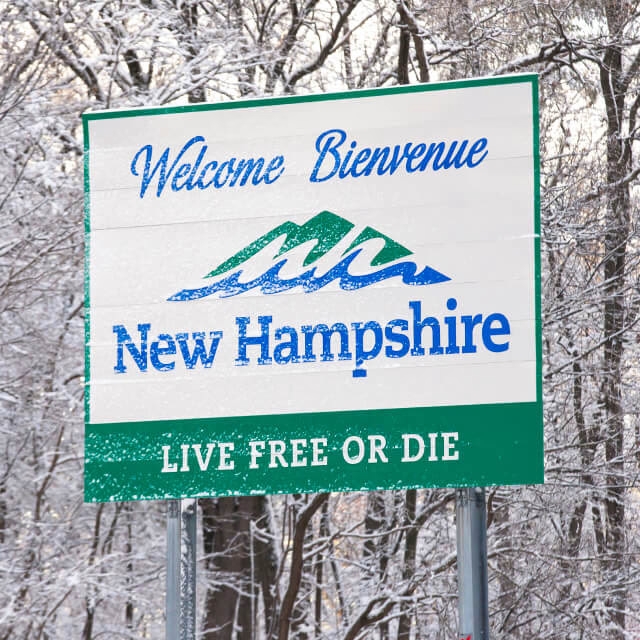
The U.S. is a pretty interesting place when it comes to how different the states can be. Take state mottos, for example. Indiana went with "The Crossroads of America." Pretty straightforward. Then there's New Hampshire, which has used "Live Free or Die" since World War II ended. With a motto that intense, maybe it's not shocking that New Hampshire is the only state where car insurance isn't mandatory. There's been plenty of debate about it, but the folks who think forcing people to buy a product goes against personal freedom have won out so far.
For some people, this might sound like a good reason to move to New Hampshire. Car insurance can be a total headache and crazy expensive in some places. But hold on, there's a massive catch. You still have to be able to pay for any damage you cause if you get in an accident. So if you skip buying insurance, you've got to meet the state's financial responsibility requirement, and it's not cheap. Basically, you need to prove you have the cash for every vehicle you register in New Hampshire. That covers liability for accidents involving one person or multiple people, plus property damage.
And you have to prove you've got the money by depositing it with the state. They'll accept cash or securities, which go into an account. The DMV needs a receipt showing you did this. Only after all that can you legally drive in New Hampshire without regular car insurance. But even then, there are exceptions.
You Might Still Need Insurance Even If You Have the Money
Let's say you can actually afford to set aside the required amount to cover your car in New Hampshire. That doesn't automatically mean you're off the hook for insurance. Unless you buy your vehicle with cash upfront, your lender is almost definitely going to require coverage to protect what's theirs. That's true no matter what state you're in. Leasing a car usually means you need even more comprehensive insurance too.
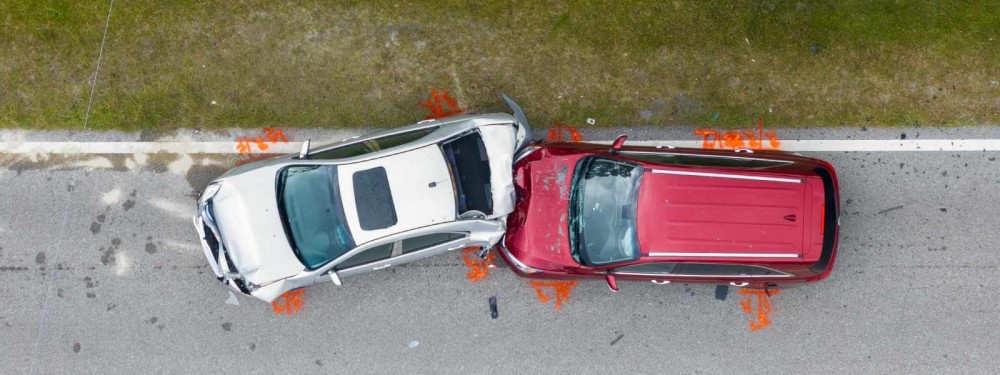
Your driving record also matters for whether New Hampshire makes you get insurance. Things like a DUI conviction or a pattern of breaking traffic laws can get you flagged with an SR-22 filing requirement. That means you have to prove you've got insurance coverage.
Anyone with an SR-22 has to keep an active policy, no matter how much money they have, if they want to drive legally in the state. Habitual speeders can end up needing to file an SR-22 with the Division of Motor Vehicles too. So people who keep blowing past the speed limit in New Hampshire might not only be forced to get insurance, but they could end up paying way more for it since rates shoot up after speeding tickets.
Different States Want Different Coverage
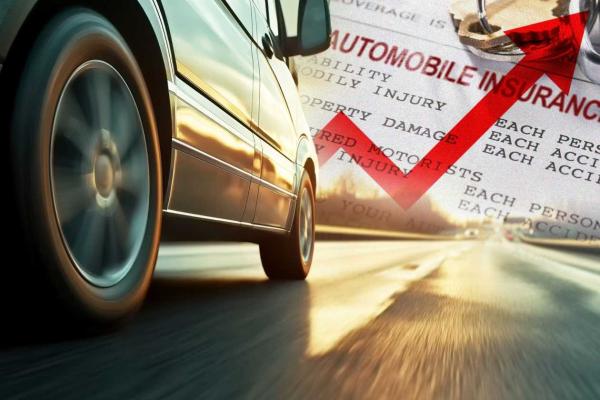
Car insurance coverage requirements vary a lot depending on where you live. Liability coverage is required in every state except New Hampshire if you meet their financial responsibility thing. But even liability gets split into different types, one for property damage and another for medical bills. Most states make drivers carry a liability policy covering both, but Florida does its own thing. Florida wants liability for property damage but also requires Personal Injury Protection (PIP), which handles medical costs regardless of who caused the accident.
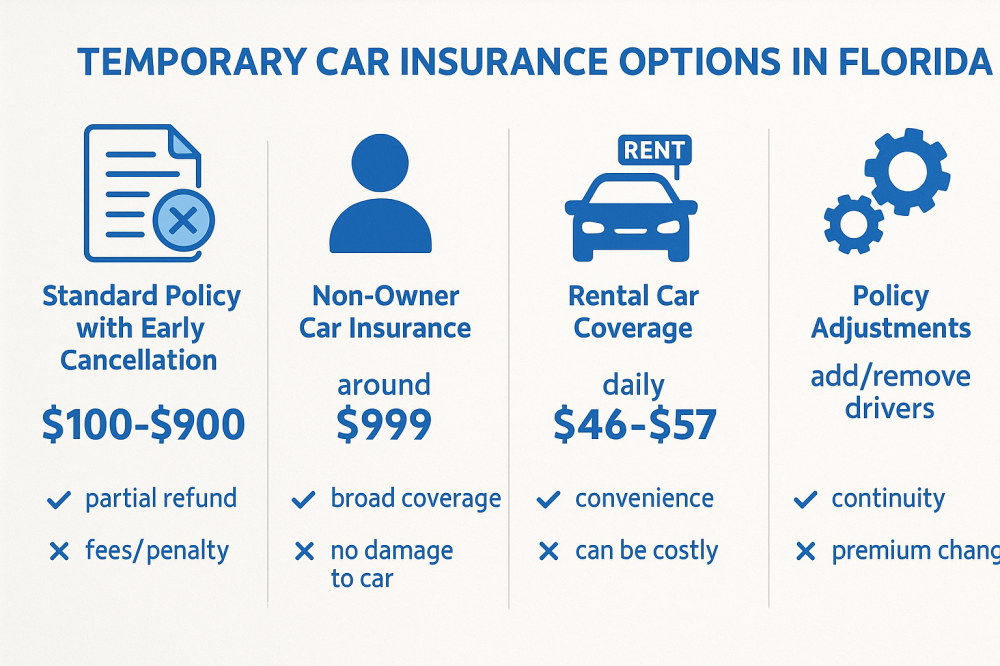
In most of America, if you cause a crash, you're on the hook financially. But a few states don't work that way, like Florida, Michigan, New York, and Utah. Instead of figuring out who's at fault, each driver contacts their own insurance company and uses a no-fault policy. And even though some states have similar requirements, don't expect the same prices nationwide. New York and Idaho are among the most and least expensive states for car insurance.