The 5-Year Itch: What's Your Car Touchscreen Lifespan
by AutoExpert | 29 January, 2026
Touchscreens keep getting better, but you might wonder if the one in your car, which uses the same tech as tablets and phones, is actually any tougher. If it craps out, replacing it can cost a fortune since car parts have to meet way stricter standards than regular electronics. Unlike the gadgets sitting in your house, the stuff in your car has to deal with crazy temperature swings, freezing winters and brutal summers. Plus constant vibrations, bumps, and direct sunlight beating down on it. All that makes it pretty hard to say exactly what your car touchscreen lifespan is.
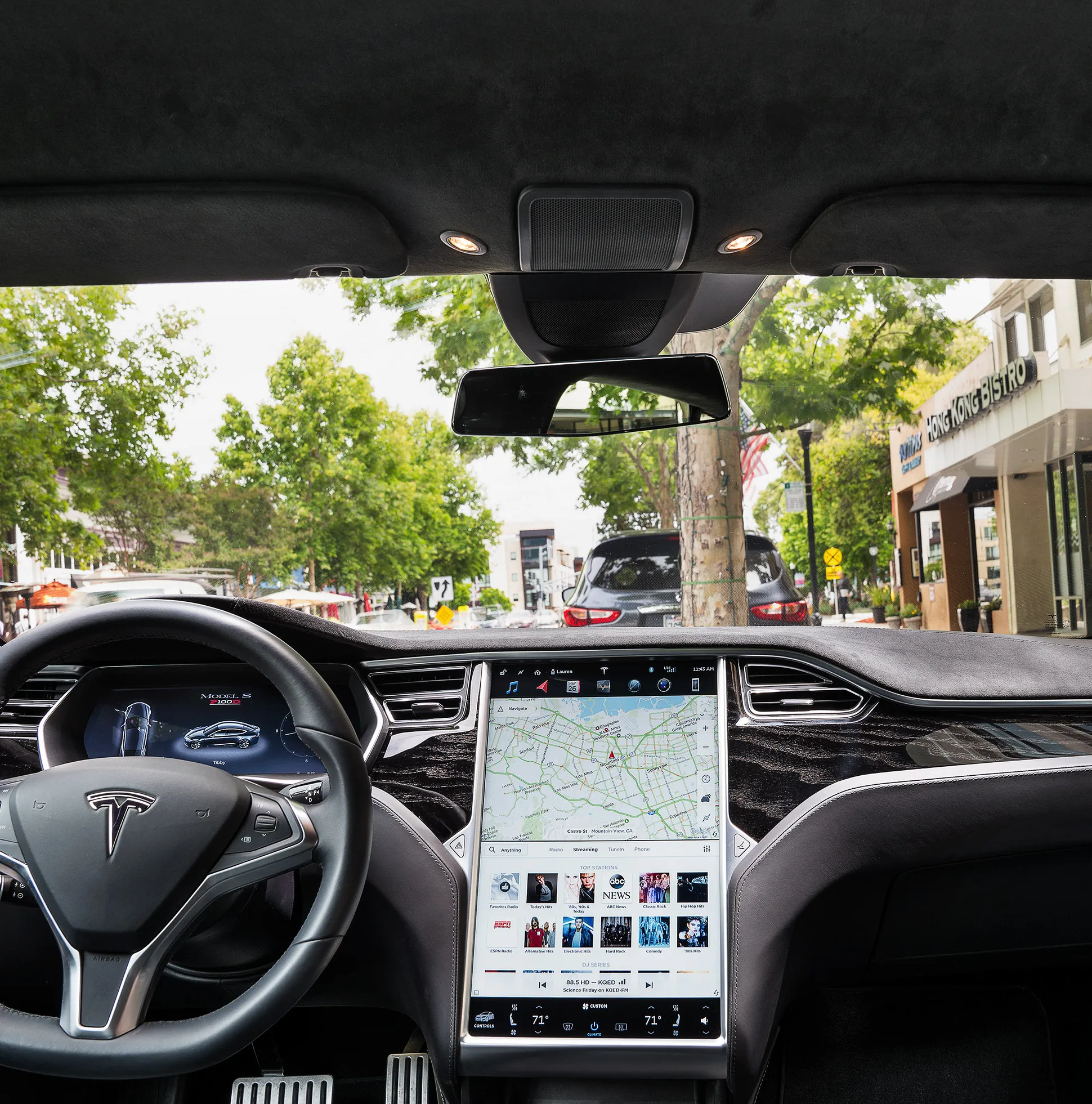
Tesla had this whole scandal back in 2021 where a bunch of their touchscreens started dying after just a few years. Pretty bad when you consider how ridiculously expensive Tesla repairs are. When it happened, Al Prescott, who was Tesla's VP of Legal at the time, gave an official estimate for how long car touchscreens (at least Tesla's) were supposed to last: a pathetic five to six years. Wasn't even the screen itself that was the problem, but the memory chip underneath. Not every car has that same setup though.
If we're just talking about the actual screen, especially in non-Tesla cars, they can go way longer. A capacitive touchscreen by itself is usually good for 5 to 10 years, though the harsh conditions inside a car can cut that down. You'll find people with perfectly working screens on their 2017 Toyota Prius, and then others with a 2018 Jeep Compass where the touchscreen's completely toast. On average, your car's screen should last several years. Newer cars using optical bonding tend to be more reliable than older ones with different display tech.
Problems Car Touchscreens Face
The technology in car touchscreens has changed a ton over the years. How long yours lasts depends a lot on when the car was made and what tech it uses. In the first LCD screens, there was an air gap between the LCD and the glass that picks up your touch. That caused a bunch of problems and gave car touchscreens a bad reputation. Reflections made it hard to see, condensation caused water to get in the gap, and touch responsiveness got worse over time.
To fix this, car companies found ways to eliminate that gap. Either using gel to connect the two layers (gel bonding) or using a clear adhesive to stick the LCD and digitizer together (optical bonding). Gel bonding solved issues with glare and water getting in, but had its own headaches. The gel dried out eventually, which led to bubbles or this spiderweb pattern showing up on the screen. Most cars from the 2010s used gel bonding, but optical bonding's becoming the standard now because it holds up better.
These days, luxury cars are also offering OLED displays for their touchscreens. Way better visuals and contrast since they can show true blacks. The picture quality is definitely impressive, but it might actually hurt longevity since OLED screens aren't super reliable long-term because of burn-in issues.
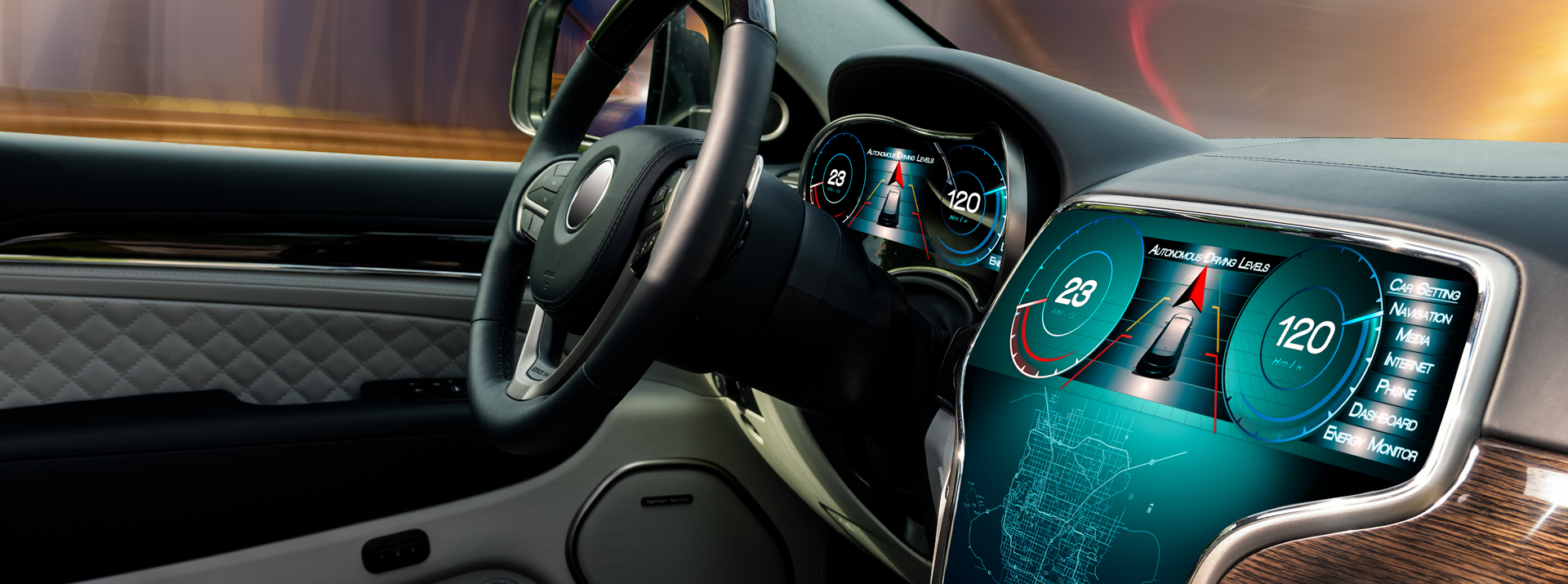
What Is Optical Bonding?
As digital dashboards become more essential in modern cars, there's more pressure to make them safe and dependable. If you're driving a Tesla or a newer GM, you literally can't access basic functions if your screen's broken. That's why most manufacturers are going with optical bonding now. It's a process that uses a strong transparent adhesive to bond the LCD with the glass digitizer that registers touches. More durable and gives you better visibility. If you've got a mid to high-end car made after 2021, your screen will probably last way longer than older touchscreens did.
Optical bonding wasn't originally made for regular cars though. It was developed for military use. Military computers need super accurate, quick readings, and a problem caused by bad light reflection or extreme temps messing with the screen could literally be life or death. So optical bonding was created to handle shocks and prevent issues from fogging or harsh sunlight.
As the materials got cheaper and more research went into it, car brands wanting bigger, better screens started using it. Wasn't perfect at first. Some displays, like the ones on the Tesla Model S, developed this yellow border over time. Now though, most high-end cars released after 2021 have optical bonding that doesn't have those yellowing problems from heat and improper curing. In theory, these screens should last as long as the car does, assuming the software keeps getting updated too.