Master Your Car's Performance: Essential Guide to Tire Maintenance

by AutoExpert | 20 March, 2025
Those round black rubber things on your car? They're way more important than most people give them credit for. Sure, they stop your fancy alloys from scraping along the tarmac, but tires are actually the unsung heroes of your vehicle. Looking after them properly doesn't just improve how your car handles – it can save you serious cash too.
When you think about it, tires put up with a ridiculous amount of abuse. They're constantly supporting the weight of your car (which is constantly shifting around), gripping the road in everything from scorching heat to torrential downpours, handling emergency stops, and somehow they're expected to last for years to give you decent value for money.
Here's a mind-blowing fact – an average car puts about 550kg of force through its tires when braking from 40mph to a standstill in five seconds. Now imagine what happens when you're driving faster, braking harder, or cruising around in a hefty SUV. That's a lot of stress on those rubber donuts.
That's why tires are probably one of the most important purchases you'll make for your car. Professionals don't mess around with tire testing – they're pretty obsessive about finding which rubber gives the best performance. But buying good tires is only half the battle – looking after them is just as crucial, even though most people just forget about them until they get a puncture.
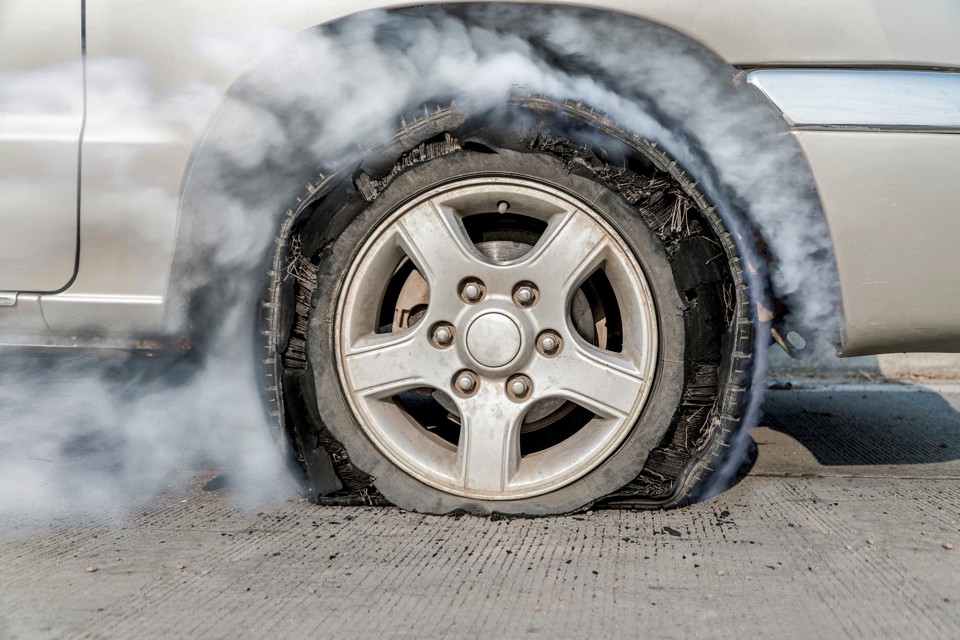
Give your tires some TLC and they'll reward you with the performance they're designed for throughout their entire life. Here's how to keep them happy:
Tire Pressure
Air naturally leaks from all tires, blame temperature changes and the way tires are built. Let your pressures drop and you're looking at uneven wear, worse fuel economy, and handling that feels off.
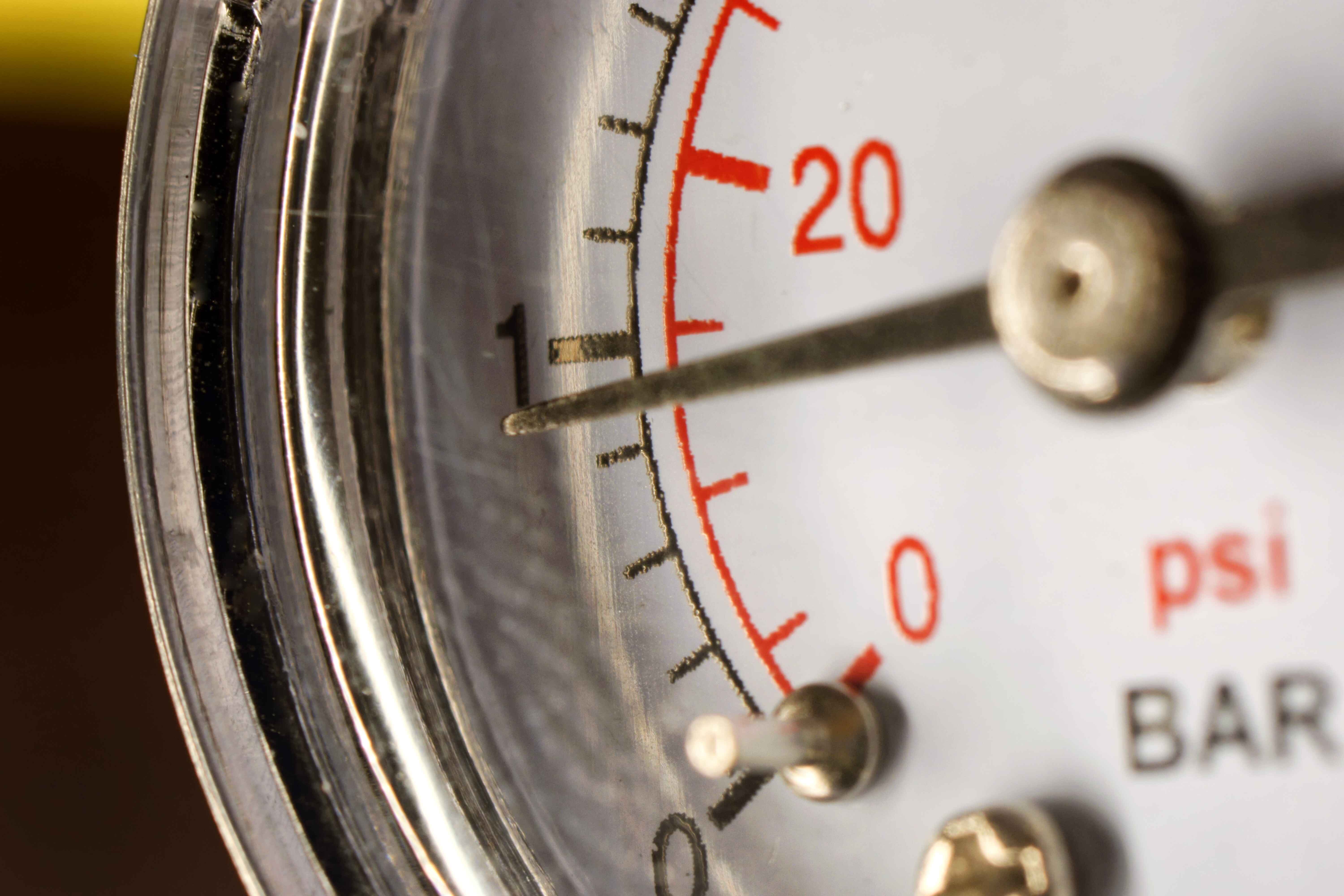
Checking your tire pressures monthly is one of the easiest ways to make them last longer and save fuel. Your car's recommended pressures are usually hiding in the driver's manual or on a little diagram in the fuel flap or door frame.
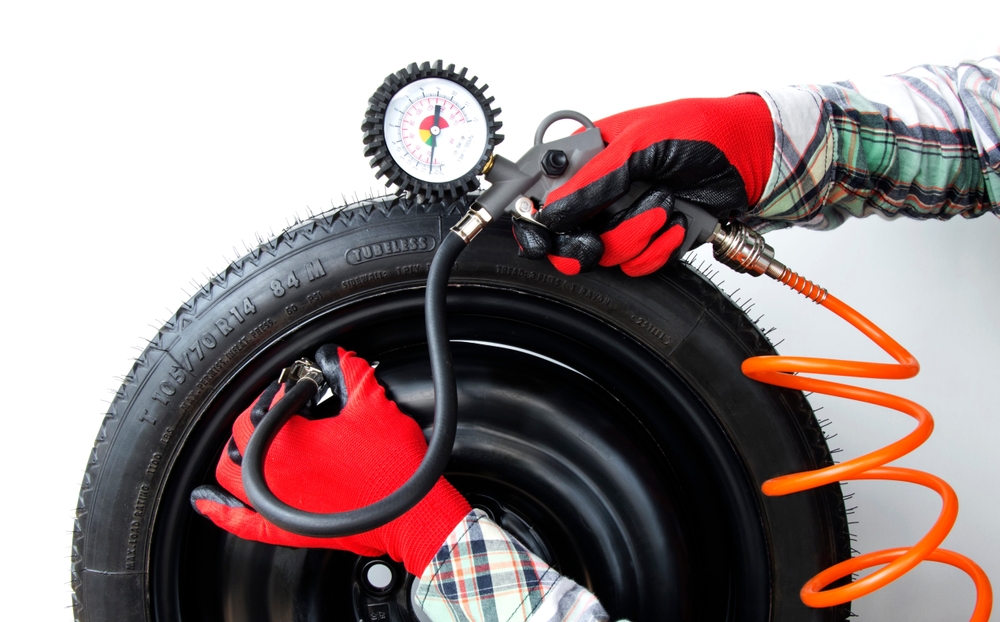
The best time to check and pump up your tires? Right before you drive, when they're cold and the pressure's at its lowest. Checking after a long journey isn't ideal because driving heats up the tire surface, which increases the internal pressure. If you absolutely have to check them when they're hot, add another 4-5 PSI to the recommended figures.
Don't forget that front and rear tires often need different pressures. There'll be recommendations for both ends of the car, and you might need higher pressures when you're carrying more people or heavy loads.
Tire Speed Rating
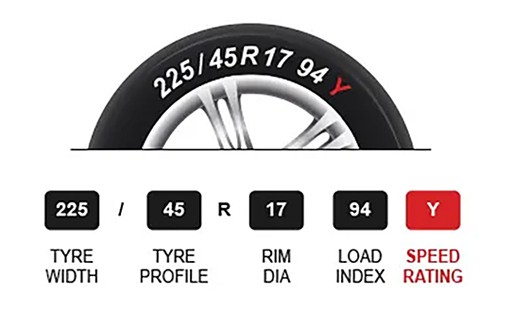
Ever noticed those letters and numbers on your tire sidewall? They're not just for show. The numbers indicate the load index (maximum weight each tire can handle), and the letter is the speed rating.
For example, a 96V rating means each tire can carry 710kg at speeds up to 149mph. The higher the number and the further down the alphabet the letter, the more weight and speed your tire can handle.
You'll also find other numbers that tell you about tread width, sidewall height, and rim size. A tire marked 165/65 R14 79T has a 165mm tread width, with sidewalls that are 65% as high as the tire is wide (lower numbers mean less cushioning between your wheel and the road). The 'R' stands for radial construction (how the tire is built with internal belts to maintain its shape), 14 inches is the wheel diameter, and the 79T rating means it can carry 437kg at up to 118mph.
Tread Depth and Wear
In some jurisdictions, your tires need at least 1.6mm of tread to be legal. No ruler handy? Stick a 20p coin in the tread – if you can see the outer edge of the coin, you're in the danger zone.
Each illegal tire could cost you thousands in fines and three penalty points, but the real cost could be much higher – your safety. Worn tires are terrible at shifting water in wet conditions and can dramatically increase your stopping distance.
Take a few minutes each month to check your tires for cracks, weird wear patterns, embedded debris, and bulges in the sidewalls (which often mean the tire's about to fail).

Alignment and Balancing
This is one job best left to the pros. When you get new tires, make sure they're properly balanced and aligned – it prevents them wearing out unevenly and keeps your handling sharp.
If your car starts vibrating at higher speeds (you'll feel it in the steering wheel) or feels unstable in corners, your wheels probably need rebalancing. Time to visit a tire shop.

Storing Tires
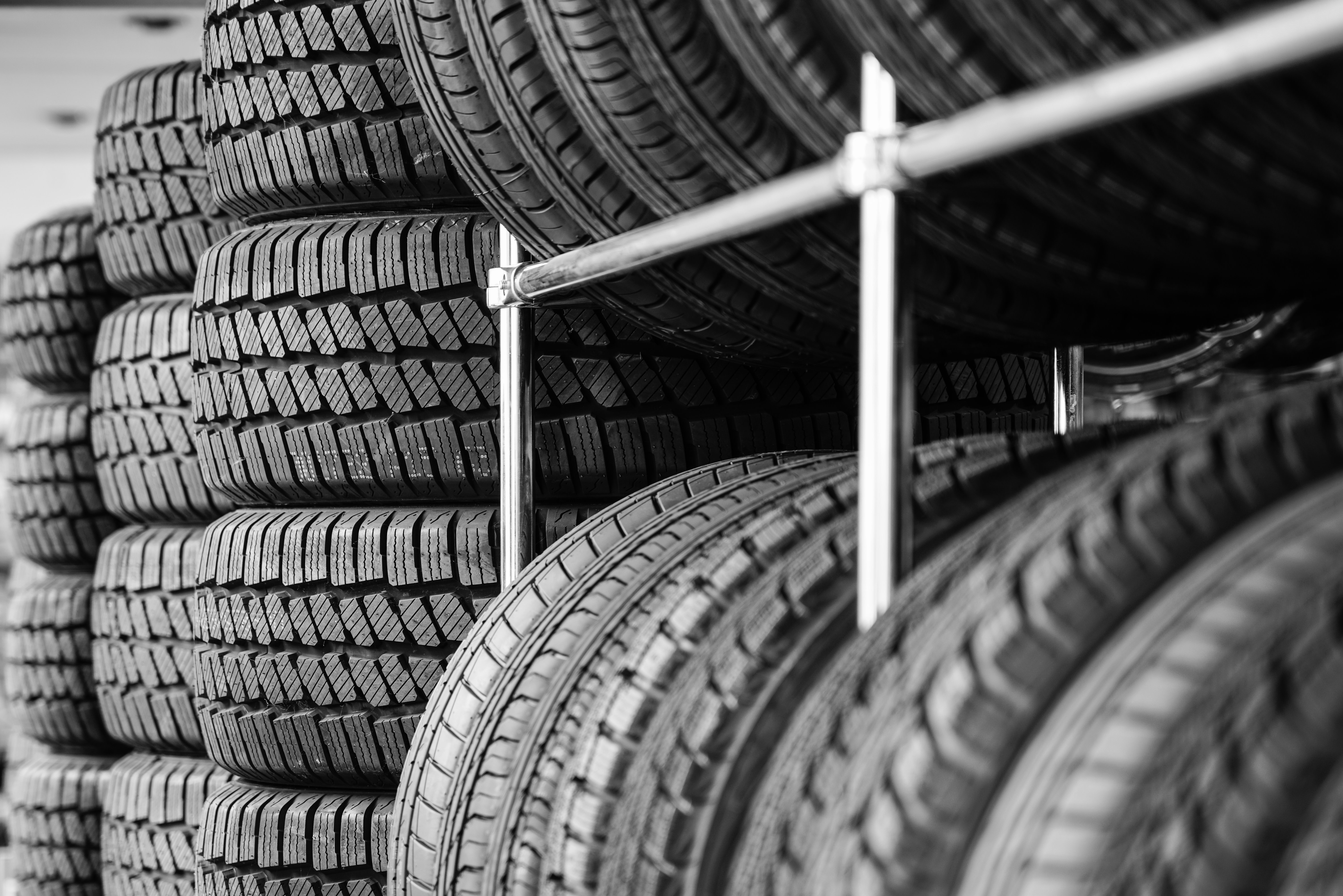
If you're one of those organized types who switches between summer and winter tires, where you store the unused set matters. Even sitting idle, tires age.
Keep them in a well-ventilated, dry place at room temperature, away from sunlight and moisture to preserve the rubber compound. Don't stack them for ages, and keep them away from chemicals and sharp objects.
Tire Products
Tire shine isn't just about making your wheels look pretty – it helps keep the rubber supple and protects against UV damage that causes cracking and premature failure.

Before using any tire sealants, check which products your tire manufacturer actually approves. The wrong chemical could do more harm than good.