Is Your Car a Money Pit? When to Repair vs. Replace
by AutoExpert | 23 June, 2025
Everyone's been there – staring at a repair estimate that makes your wallet cry while your mechanic explains why your car needs another expensive fix. At some point, you've got to ask yourself: is this thing worth saving, or is it time to cut your losses?
The 50% Rule That Actually Works
Here's a rule that'll save you from pouring money into a lost cause: if the repair costs more than half of what your car's actually worth, it's probably time to say goodbye. Check Kelly Blue Book or similar sites to get a realistic value, then do the math. If that transmission rebuild costs $3,000 and your car's only worth $4,000, you're basically buying a very expensive Band-Aid.
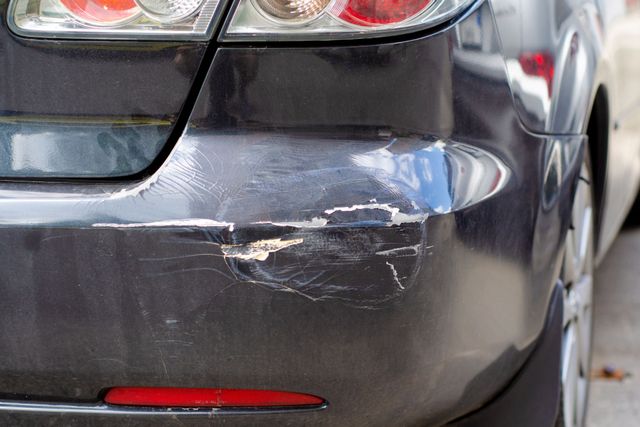
Red Flags Your Car Is Becoming a Money Pit
Some warning signs are pretty obvious once you know what to look for:
Multiple systems failing at once. When your car starts having problems everywhere – engine, suspension, electrical – it's usually a sign that everything's just worn out. Fixing one thing often reveals three more problems hiding underneath.
Parts are getting harder to find. Older cars mean scarcer parts, which means higher prices. If your mechanic keeps telling you parts need to be ordered from specialty suppliers, that's not a good sign for your bank account.
Check engine lights that won't stay off. Sure, sometimes it's just a loose gas cap. But if that light keeps coming back no matter what gets fixed, your car's probably trying to tell you something important.
Constant fluid leaks. Oil puddles in your driveway aren't just annoying – they're expensive. Major leaks usually mean major problems, and those problems tend to multiply.

What to Do With a Car That's Done
Once you've decided your car isn't worth fixing, you've got options:
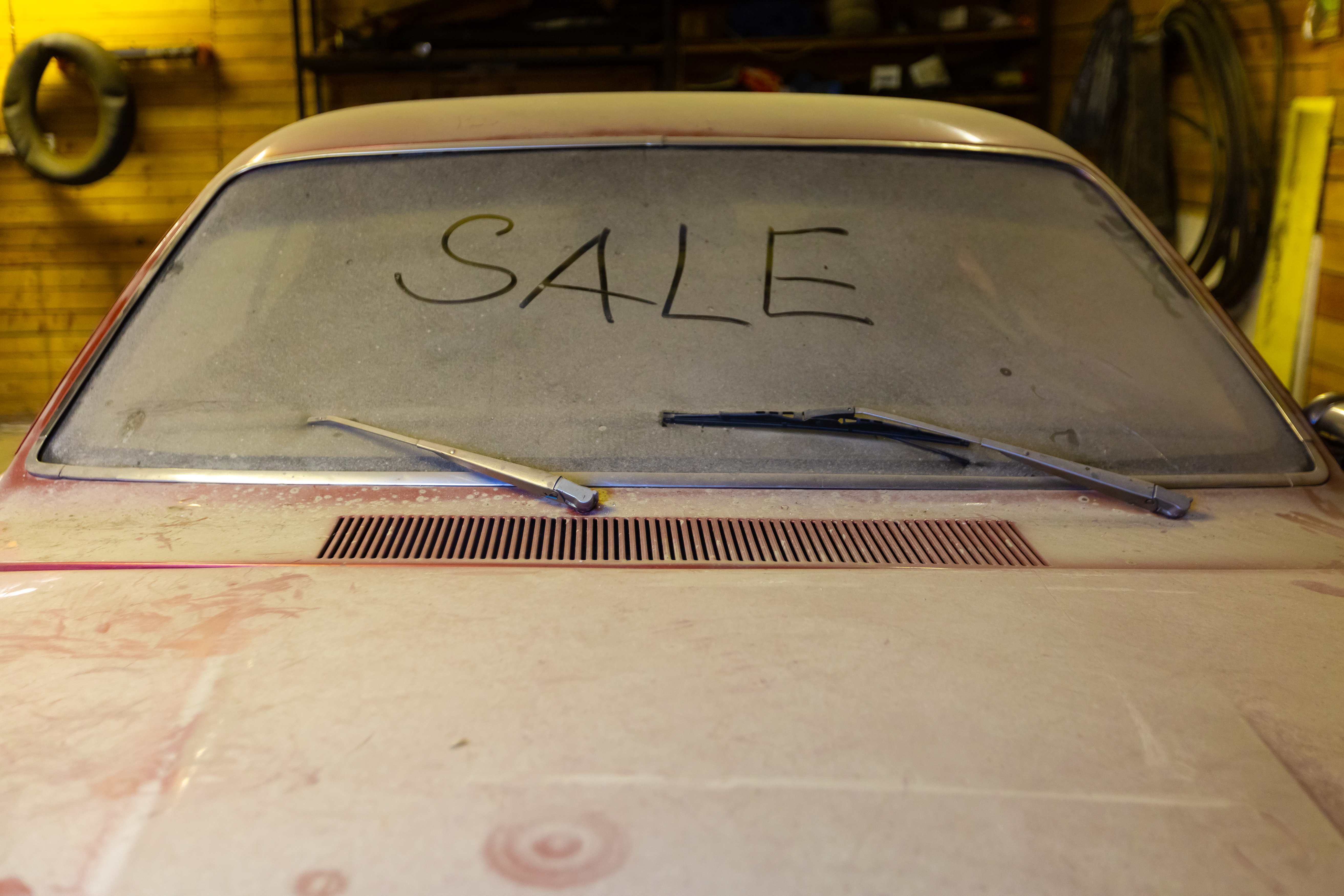
The easiest route is trading it in when buying something newer. Dealers will take pretty much anything off your hands, even if it's just for scrap value. You can also sell it privately – someone might want it for parts or as a project car.
If you're feeling generous, donating it to charity gets you a tax deduction and helps a good cause. Many organizations will even pick it up for free. Or you can part it out yourself if you've got the time and space – sometimes the parts are worth more than the whole car.
Making Your Next Car Last Longer
If you do decide to get something newer, here's how to avoid ending up in the same situation again:
Keep up with basic maintenance. Oil changes, tire rotations, checking fluid levels – boring stuff that actually matters. Pay attention to warning lights instead of hoping they'll go away on their own. And try not to drive like you're auditioning for Fast & Furious – your suspension will thank you.

The Bottom Line
Nobody wants to admit their car is done, especially when it's been reliable for years. But sometimes the kindest thing you can do is let it go before it drains your savings account. That repair money could be a down payment on something that won't leave you stranded every other month.