
iPhone Maker Foxconn Targets U.S. EV Market With Model C. But Who Will Sell It?
by AutoExpert | 30 April, 2025
Foxconn—the same folks behind millions of iPhones—are making big moves in the U.S. EV market. And true to form, they’re sticking to what they do best: building the cars while letting someone else put their logo on it. Their first electric ride headed to the U.S.? The Foxtron Model C. But don’t expect to find it on dealer lots with that name.
Instead, Foxconn is going the contract manufacturing route, a classic auto industry move where they build the car, and another brand sells it. Think of it like what Magna does for the Fisker Ocean—only Foxconn wants to do it faster and maybe even better.
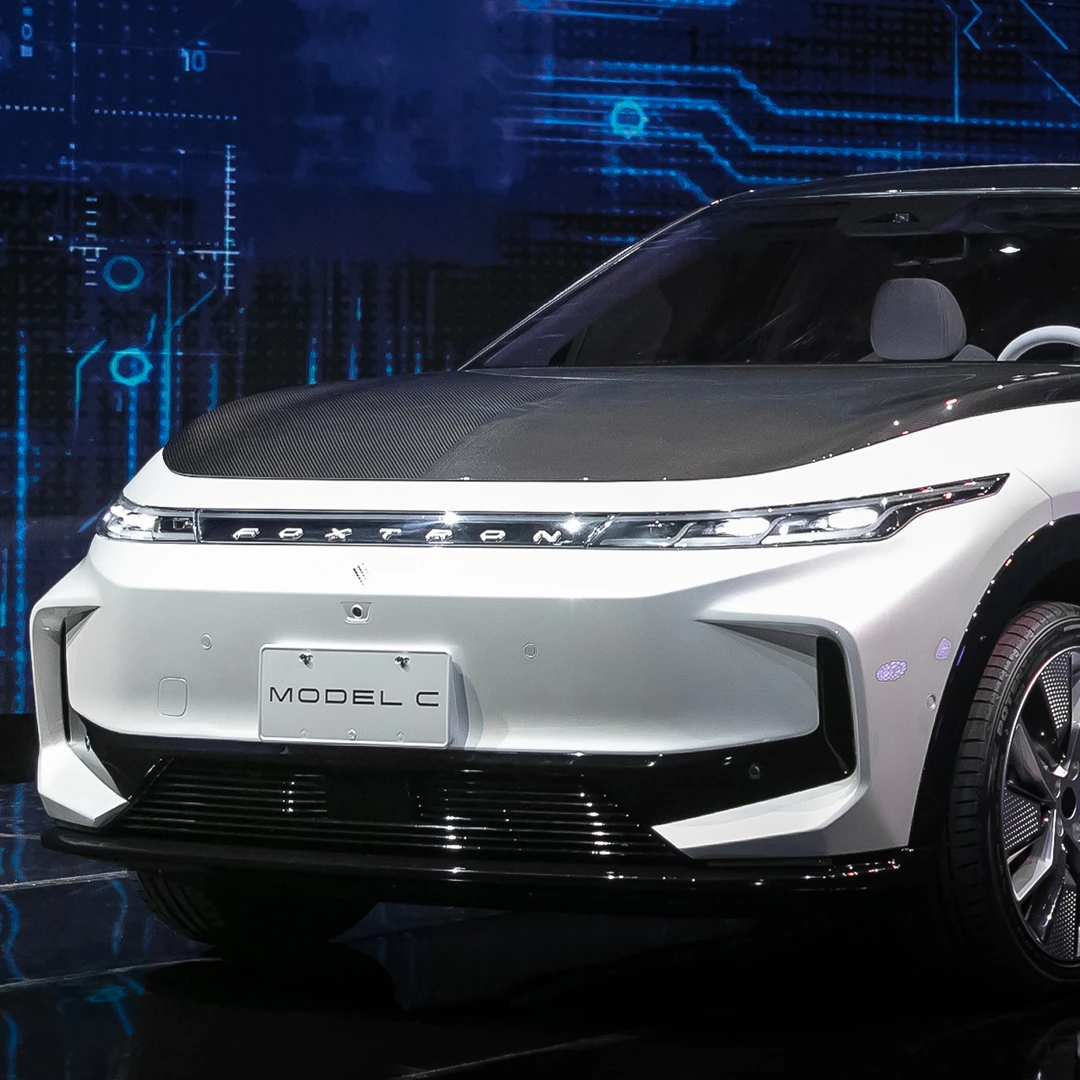
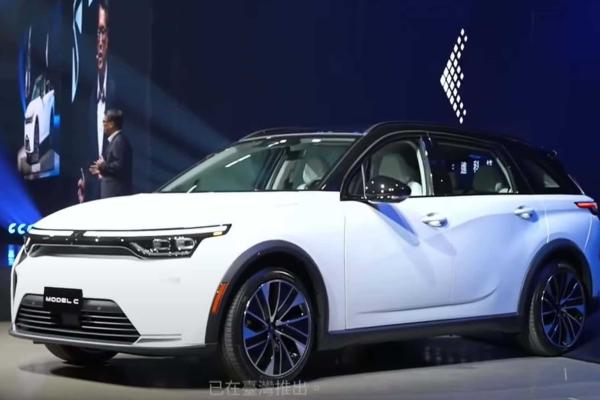
Former Nissan exec Jun Seki, now leading Foxconn’s EV division, confirmed at the Taipei Mobility Mega Show that the Model C is headed to the U.S., but he didn’t spill the beans on which mystery brand will sell it.
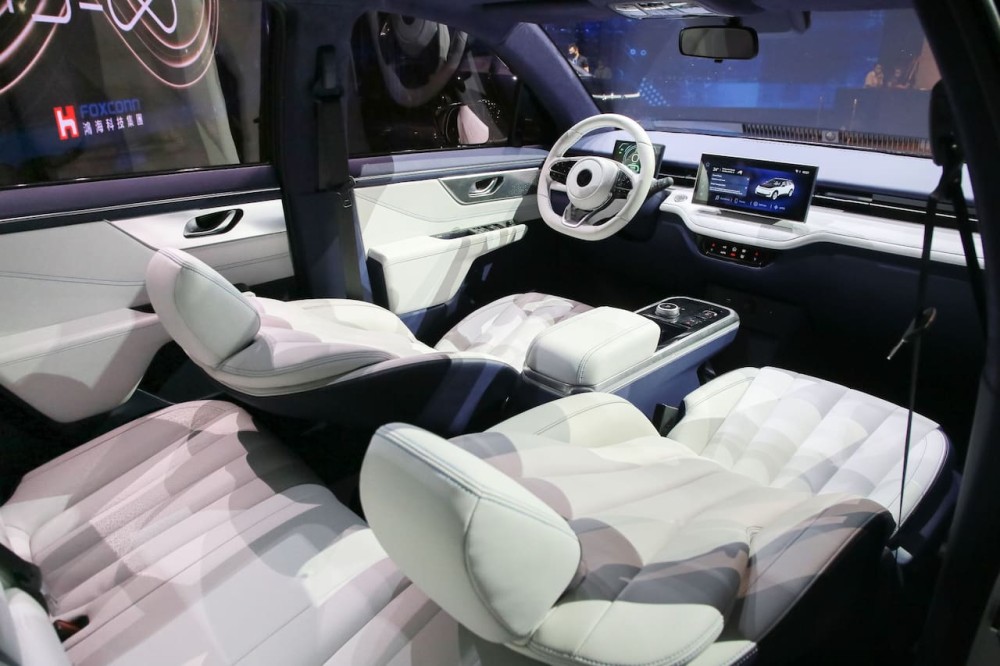
Now, if the Model C sounds familiar, it’s already on sale in Taiwan as the Luxgen n7, so it’s not just a prototype or concept anymore. The version shown in Taipei came with a super modern look: curvy sides, a wild hood vent, wraparound lights, a panoramic roof, and a massive infotainment screen.
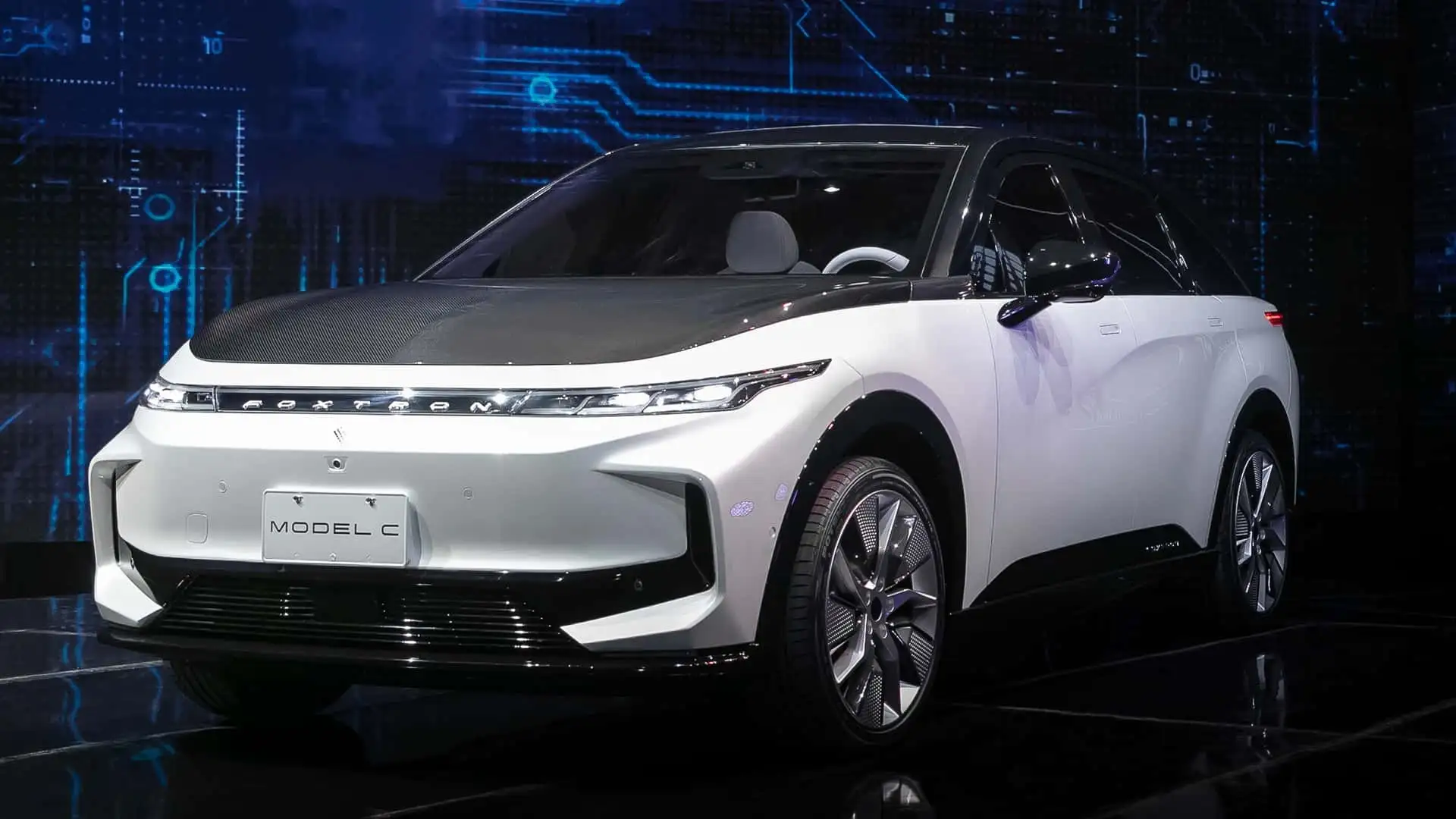
Bringing the Model C straight from Taiwan to U.S. roads? Yeah, that’s not happening—especially with today’s trade tensions and tariffs. That’s why Foxconn snapped up the old GM plant in Lordstown, Ohio. It used to pump out everything from Cavaliers to Cobalts. GM bailed, Lordstown Motors gave it a shot and failed, and now Foxconn’s taking over.
And honestly, it fits. Foxconn already builds a ton of EV parts—batteries, motors, chips—you name it. Turning all that into full-on car production is just the next step. They’re even planning to build electric tractors there, too.
We don’t know yet which brand will sell the Model C in the U.S., but Foxconn’s already teamed up with Mitsubishi in Australia for the Model B—so don’t be surprised if a quiet partner shows up here too. Their Ohio plant is no small operation either; it could crank out up to 500,000 cars a year, which is actually more than BMW manages at its massive South Carolina factory.