One Bad Tie Rod Can Turn Into One Annoying Repair Bill
by AutoExpert | 1 May, 2026
Tie rods are one of those parts most people never think about until the steering starts feeling weird.
Then suddenly a mechanic is saying “inner tie rod,” “outer tie rod,” “alignment,” and the bill is getting bigger while you’re still trying to understand what actually broke.
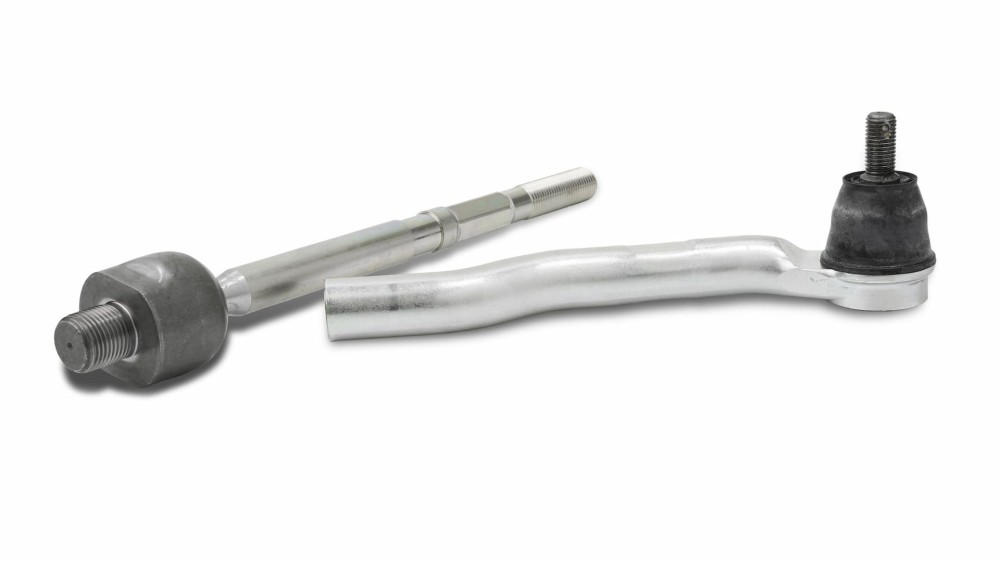
So, do inner and outer tie rods have to be replaced at the same time? Technically, no. If one is bad and the other is truly fine, you can replace only the bad one.
But there’s a reason mechanics usually tell you to do both.
Tie rods live a rough life. They sit low, take hits from potholes, deal with road salt, dirt, water, heat, cold, and every ugly road surface you drive over. By the time one part is worn out, the other one has usually lived the same life and may not be far behind.
There’s also the practical side. Getting the outer tie rod loose can be a fight, especially if rust is involved. Sometimes it takes heat, hammering, and a lot of persuasion. Once everything is apart, replacing the connected pieces often makes more sense than putting old parts back and hoping they behave.
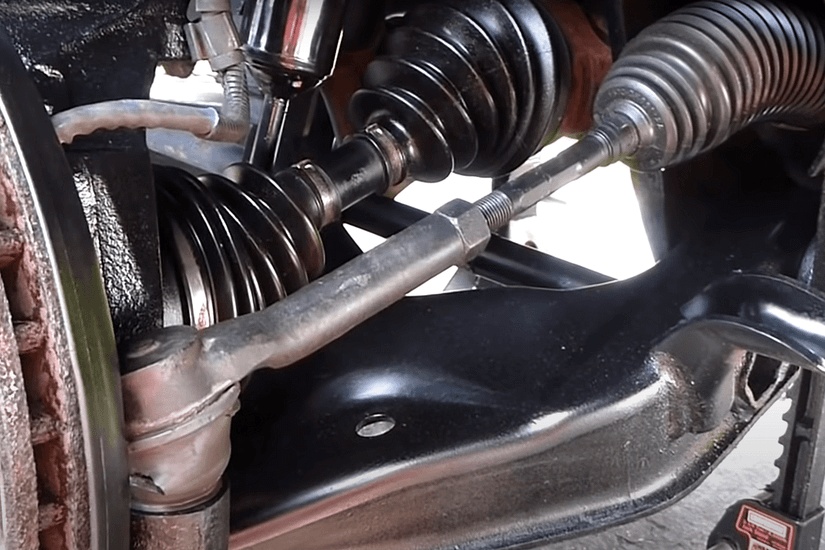
And if the rubber boot on the inner tie rod is torn, that changes the conversation completely. Once dirt gets in and grease gets out, that part is living on borrowed time anyway.
The warning signs are usually pretty clear if you pay attention. Uneven tire wear. Steering that feels loose or vague. A car that wanders a little instead of tracking straight. Vibration in the wheel. Clunking when you turn. None of that is normal, and none of it gets better by ignoring it.
If money is tight, replacing just the failed tie rod can get you by, as long as the rest is genuinely solid. But if the car is already apart and the parts are old, doing both can save you from paying for the same labor twice.
And whatever you replace, get the alignment done afterward. Skipping that part is how new parts and good tires get ruined for no good reason.