
Your Car Is Secretly Reporting Every Drive to Your Insurance Company — Here's How to Shut It Off

by AutoExpert | 1 May, 2026
Here's something that might make your stomach drop a little. That brand new car sitting in your driveway? There's a very good chance it's been tracking your every move and quietly selling that information to your insurance company. Not hackers. Not some shady third party. Your own car's manufacturer.
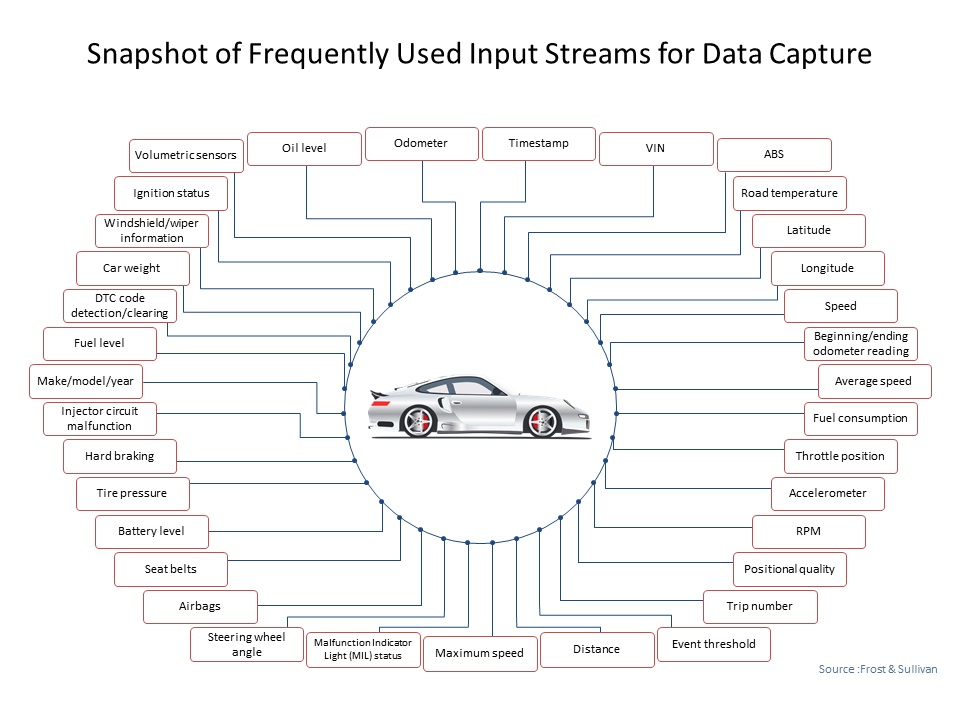
According to a CNN investigation from earlier this year, roughly 90% of new cars on the road collect detailed driving data every three seconds. We're talking speed, braking force, acceleration patterns, cornering behavior, even your exact GPS location. And automakers have been packaging that data up and selling it to companies like LexisNexis, who then turn around and hand it to insurance companies to adjust your rates.
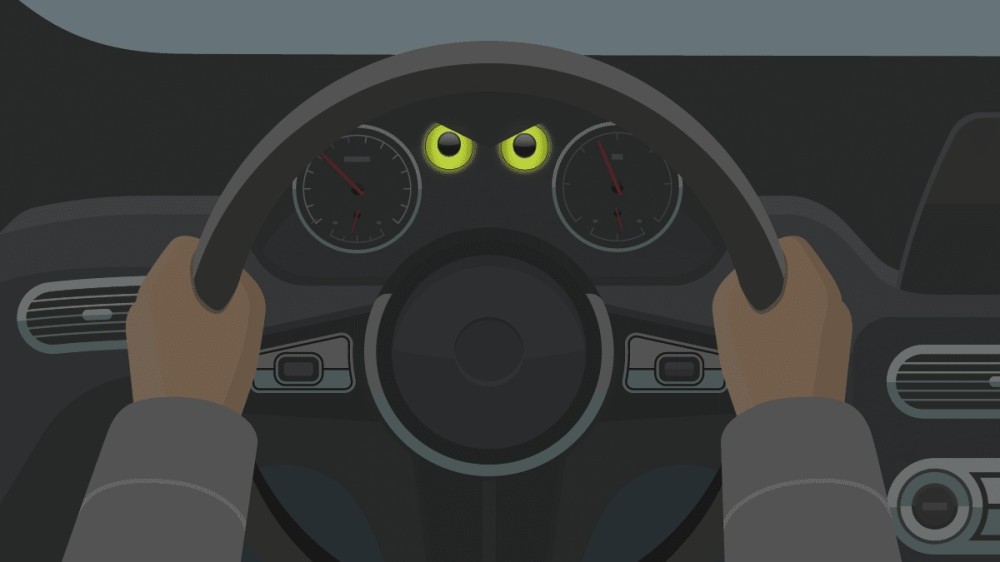
How your car's driving data ends up with insurers
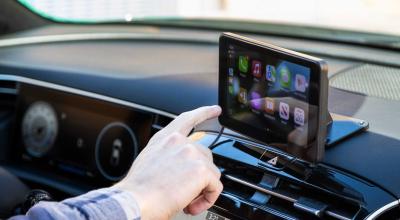
The way it works is frustratingly sneaky. When you buy or lease a new car, somewhere deep in the stack of paperwork you sign, there's a consent clause buried in the fine print. Maybe it was part of the infotainment setup screen you tapped "agree" on without reading. That one tap gave your automaker permission to collect and share your driving behavior with third parties.
GM got caught doing exactly this. In January 2026, the FTC formally banned General Motors and OnStar from selling driving data for five years after they'd been collecting and sharing geolocation and driver behavior information from millions of vehicles without meaningful consent. But here's the thing. That ruling only covers GM. Toyota, Ford, BMW, Honda, and others are still doing it, and multiple state attorneys general are now investigating.
What this actually costs you
This isn't just a privacy issue. It hits your wallet. Insurance companies use this data to build risk profiles, and if your car reports that you brake hard frequently or drive over the speed limit on your commute, your premiums can go up without you ever knowing why. You never opted into a "safe driver" program. You never downloaded a tracking app. Your car just did it on its own.
How to opt out of car data sharing
The good news is you can fight back. Every major automaker is required to honor opt-out requests, especially in states with consumer privacy laws (15 states now have them, with more coming in 2026).
Start by going to your car manufacturer's privacy page online. Look for the "Right to Opt Out" form or a "Do Not Sell My Personal Information" link. Submit the request. It typically covers both the automaker and the downstream data brokers they share with.
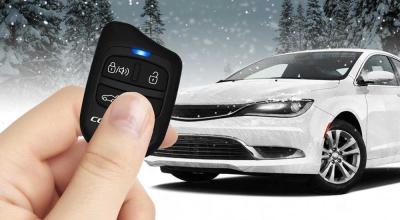
You can also disable telematics services in your vehicle's settings, though this might kill features like remote start or stolen vehicle tracking. Consumer Reports published a step-by-step guide for the most popular brands that's worth bookmarking.
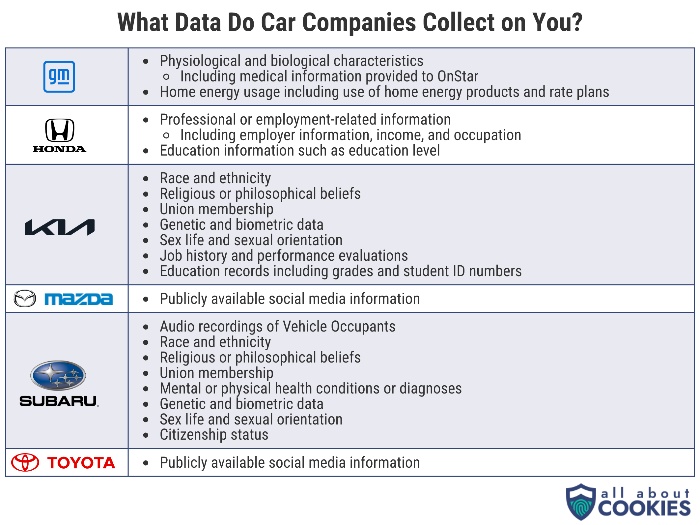
Before you buy your next car, ask the dealer directly: what data does this vehicle collect, who does it go to, and can I turn it off? Treat it like you'd treat any other spec on the window sticker. Because right now, your car knows more about your daily habits than your closest friends do. And it's not keeping that information to itself.