7 Things You're Doing Every Day That Are Secretly Killing Your Car Battery
by AutoExpert | 4 May, 2026
Car batteries don’t just wake up one morning and decide, “you know what, I’m done.”
Well… okay, sometimes they do. But most of the time? It’s more like a slow, quiet decline. Death by a thousand tiny habits you didn’t even realize mattered.
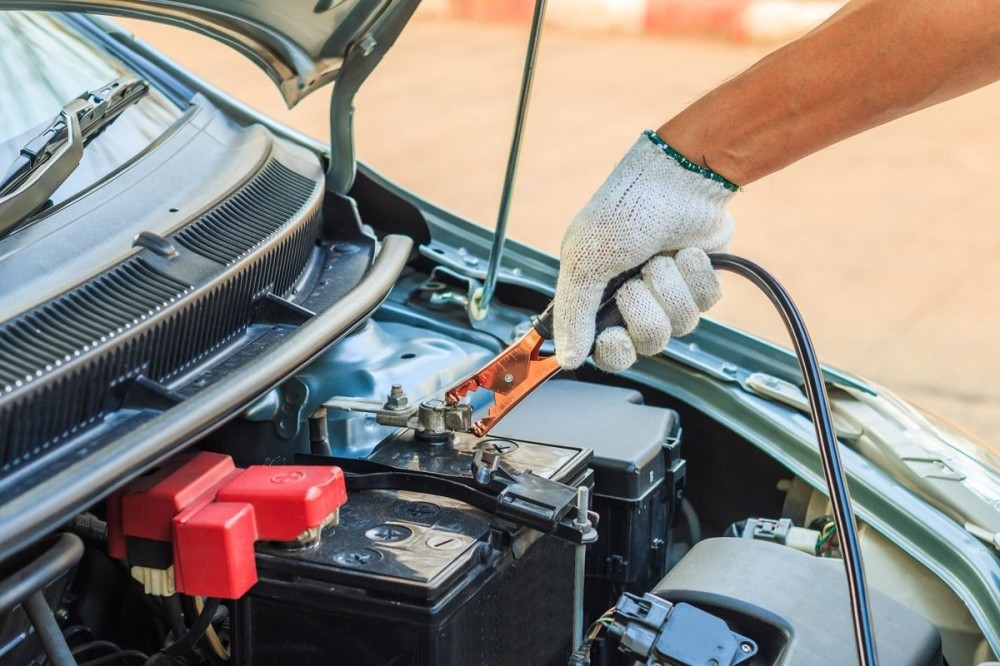
A typical battery is supposed to last, what, three to five years? That’s the brochure version. In real life, plenty of people knock theirs out in two. Or less. And if you’ve ever walked out half-awake on a Monday, turned the key, and got that weak little click-click… yeah. You already know the mood that sets for the day.
So what’s actually doing the damage?
Short drives. They’re sneakier than they look.

Every time you start the car, the battery dumps a chunk of energy just to get the engine going. The alternator is supposed to pay that back while you drive—but it’s not instant. It needs time. Real time. Fifteen, twenty minutes, give or take. If your routine is basically a coffee run and back, five minutes each way, the battery never really recovers. It’s like living paycheck to paycheck, but worse, because eventually the account just… hits zero.
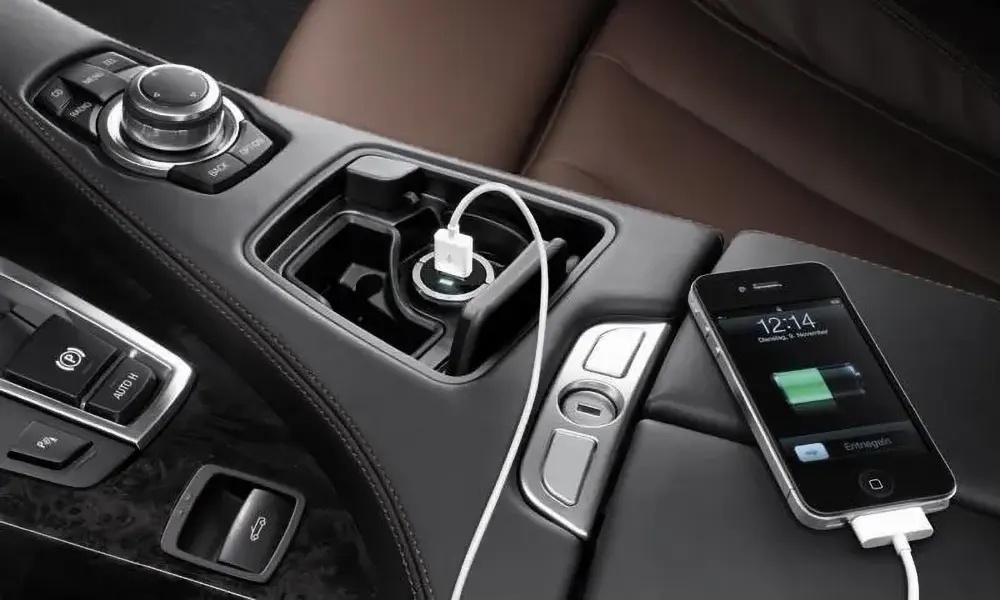
Then there’s the stuff you leave plugged in.
Chargers, dashcams, random gadgets you forgot were even there. If your car keeps those ports live after shutdown—and a lot of trucks and SUVs do—they’re quietly sipping power all night. Not chugging, just sipping. Still enough to matter over time. It adds up. It always adds up.
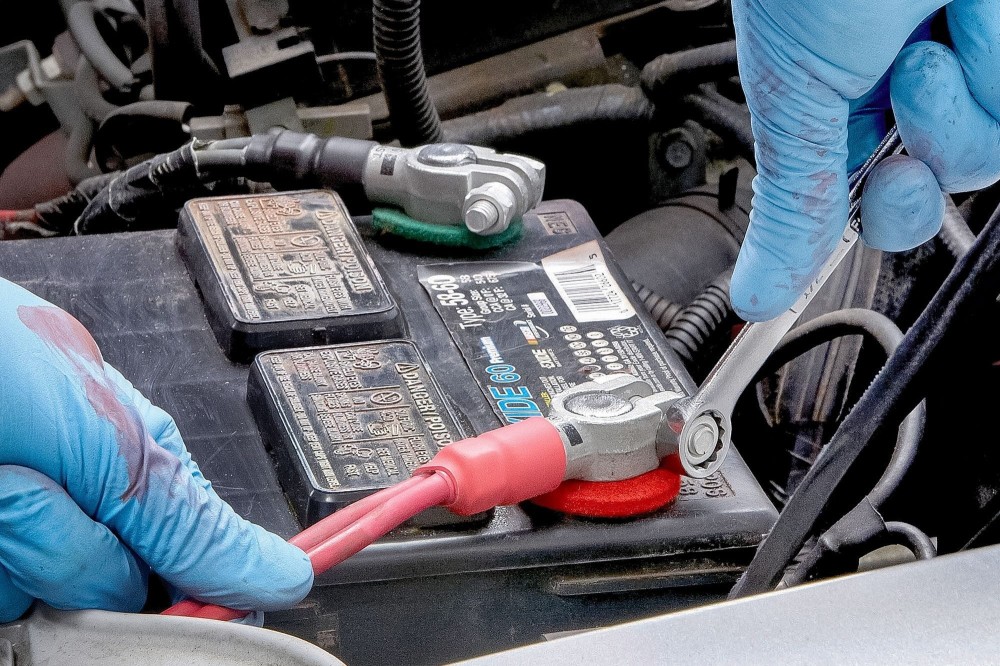
And those battery terminals? The crusty ones.
That weird white-green fuzz on top isn’t just ugly, it actually messes with how well the battery works. Creates resistance. Makes everything just a little less efficient. It’s the kind of thing you ignore for months, then finally clean and go, “oh… that was it?” Ten minutes, baking soda, a brush. Done. But yeah, most people don’t get around to it.
Heat is another one people get backwards.
Everyone blames winter because that’s when batteries fail. Fair. Cold mornings expose weakness. But the real damage? That usually happens in summer. Long stretches of heat slowly cook the chemistry inside the battery. If your car lives outside in direct sun, day after day, it’s aging faster than you think. Arizona batteries burn out quick. Minnesota ones hang on longer. Not a coincidence.
Interior lights used to be the classic “oops.”

These days, cars are smarter. They shut things off automatically. Mostly. But older cars—or anything with aftermarket bits—can still catch you. A trunk light that stays on. A door not fully closed. That faint glow you don’t notice until it’s too late. If your battery keeps acting tired in the mornings, it’s worth doing a quick nighttime check. Walk around. Look inside. You might feel a bit ridiculous, but hey, better than a jump start at 7 a.m.
And yeah, parasitic draw is a thing.
Every car uses a tiny bit of power when it’s off. Clock, alarm, keyless entry—all that background stuff. Totally normal. But when something goes wrong—a bad module, a glitchy stereo—that small draw turns into a slow drain. If your battery keeps dying and you can’t point to anything obvious, that’s usually where a mechanic steps in with a multimeter and starts hunting.
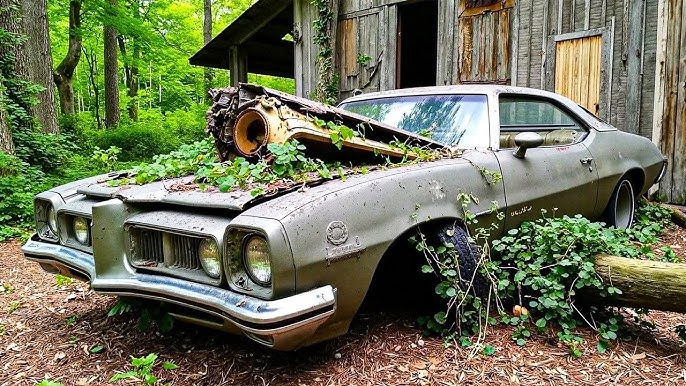
Last one, and it’s almost boring: not driving the car.
Cars hate sitting. Batteries included. If you’ve got a second vehicle that just hangs out in the driveway for weeks, it’s slowly losing charge the whole time. No drama, no warning. Just… draining. A cheap battery maintainer fixes that problem entirely, but most people don’t think about it until they’re already stuck.
So yeah, there’s no magic fix here.
Just awareness, mostly. Drive a little longer when you can. Unplug things you’re not using. Clean the terminals once in a while. And if your battery’s getting up there in age—especially somewhere hot—maybe don’t wait for it to strand you in a parking lot somewhere.
Because it will pick the worst possible moment. They always do.