Is It Illegal to Drive With Interior Car Lights On? 2026 State Guide
by AutoExpert | 4 May, 2026
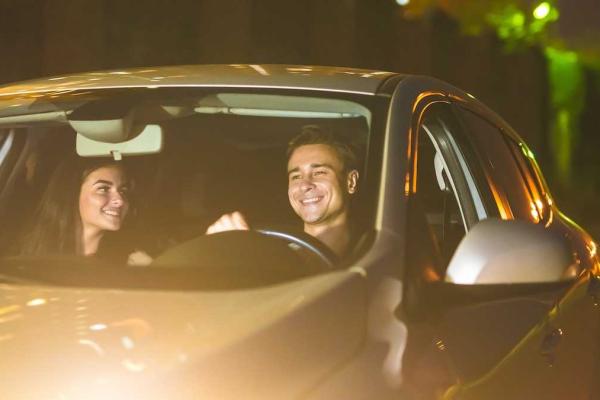
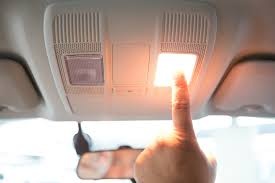
Quick answer? You're fine. Nobody is getting arrested for flicking on the cabin light to dig through a glovebox at midnight. Not in any of the fifty states. There simply isn't a law on the books anywhere in the country that says "thou shalt not illuminate thy car interior while in motion."
So where did this myth come from? Probably your grandmother. Or that one driving instructor who scared a generation of teenagers half to death.
The confusion has roots, though. Cops absolutely can pull you over if your interior lighting is doing something stupid, like blinding you, reflecting off the windshield, or yanking your attention away from a kid crossing the street. That's not because the light itself is illegal. It's because distracted driving is, and the light becomes the evidence.
When the Lights Actually Matter to a Cop
Here's the practical reality. An officer rolling up behind you at 11pm doesn't care that your dome light is on. What they care about is whether you just drifted across the center line because you were rummaging for a french fry under that light.
A few situations where it can go sideways:
A blindingly bright cabin lamp throwing reflections all over the inside of your windshield, which genuinely does cut your forward visibility. That's a problem.
You're staring at something inside the car (a map, a phone, your friend's terrible playlist on the dash screen) and the light is what's letting you do it instead of watching the road.
The lights themselves aren't the violation. They're sort of the supporting actor in a distracted driving citation. Subtle but important difference.
Why Driving With Cabin Lights On Is Still a Bad Idea
Legal and smart aren't always the same thing. You can legally eat a footlong sub while merging onto the interstate too. Doesn't mean you should.
A handful of reasons the dome light deserves to stay off after dark:
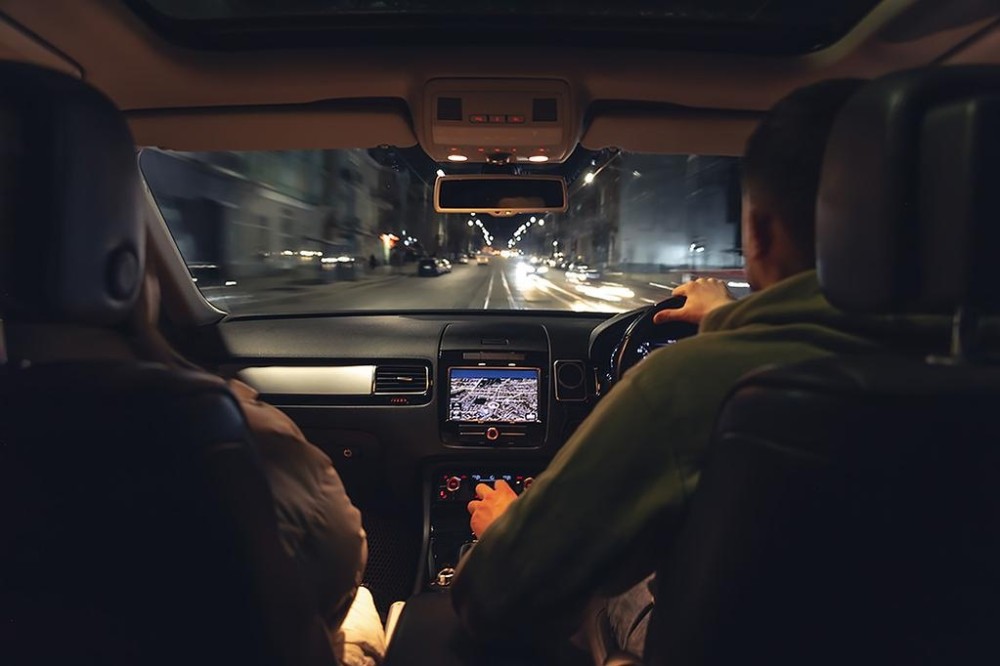
Glare is real. Light bouncing around inside a small glass enclosure (which, let's be honest, is what a car is) absolutely cuts what you can see beyond the windshield. Pedestrians in dark clothes? Cyclists without reflectors? Good luck.
Your eyes get confused. There's actual science here. Going from a bright cabin to staring out into pitch black causes a kind of micro-blindness while your pupils try to recalibrate. It's brief but it's enough.
Attention drift. Bright spaces inside the car pull your gaze inward. Human brains are weird like that. We look toward light.
Passenger spillover. Your buddy reading a book in the passenger seat with the overhead light on? Cute. Also potentially the reason you missed a stop sign.
Depth perception goes funky. Hard to gauge how fast that car ahead is braking when your eyes are still adjusting to the dimmer cabin contrast.
The State by State Rundown
Texas
No Texas law forbids driving with the dome light on. Full stop. But Texas is doing something interesting starting February 1, 2026. State troopers are launching focused enforcement on what's being called the "blue stripe" rule, which targets red, white, or blue light strips that look too much like emergency vehicles. Tickets run around $200. Interior lighting must be dim enough that it doesn't blast onto the windshield or be visible from 500 feet away. Strobing or flashing modes? Banned outright under the campaign. The concern is mistaken identity (people thinking you're a cop) and distraction, not just glowing dashboards.
California
No California statute bans driving with interior lights illuminated. That said, officers can absolutely fold interior lighting into a broader "you weren't driving safely" or "your view was obstructed" citation if the conditions warrant it. The light isn't the crime. The unsafe operation is.
Florida
Florida hasn't outlawed interior lighting either. Where it tends to come up is in distracted driving stops, particularly when an officer notices a driver looking down at something illuminated rather than at the road.
New York
State police in New York have confirmed (more than once, because the question keeps coming up) that drivers can legally have interior lights on. The caveat is the usual one. If the light contributes to careless or distracted operation, that's actionable.
Illinois
Illinois doesn't include interior lights on its list of banned equipment, and there's no blanket ban on dome lights during driving. State police generally recommend against it, citing the same distraction concerns, and any related ticket would come through general distracted driving statutes.
Michigan
Nothing in Michigan law specifically requires cabin lights to be off while moving. A spokesperson from Michigan State Police Traffic Services has confirmed this directly, though they consistently flag glare and visibility as legitimate safety problems worth thinking about.
Colorado
Same pattern in Colorado. The lights aren't outlawed, but if they're contributing to erratic driving or compromised night vision, you're potentially looking at a distracted driving stop.
Connecticut (a quirky one)
Connecticut doesn't ban interior lights for normal use. Where Connecticut gets specific is decorative lighting. State statutes authorize only white, amber, or red lights for headlights, marker lights, and taillights. So those rainbow LED strips you saw on TikTok? Possibly a fine waiting to happen, especially if they're visible from outside the vehicle.
Christmas Lights, LEDs, and Other Festive Shenanigans
This is where the law actually gets stricter.
Exterior decorative lighting is regulated, sometimes harshly, in most states. Driving around with Christmas lights blinking off your bumper might earn you a ticket faster than you think, especially if they're bright, colorful, or anywhere near resembling emergency vehicle lights.
The general rule across most states is this: front lights should be white or amber. Rear lights should be red or amber. Anything else, particularly blue or red flashing patterns, runs into the "you look like a cop car" problem and gets cited accordingly.
Holiday lights specifically. Lit Christmas decorations on a moving vehicle are commonly prohibited if other drivers can see them and they cause distraction or look like official signals. Some states are stricter than others, but the trend is toward enforcement.
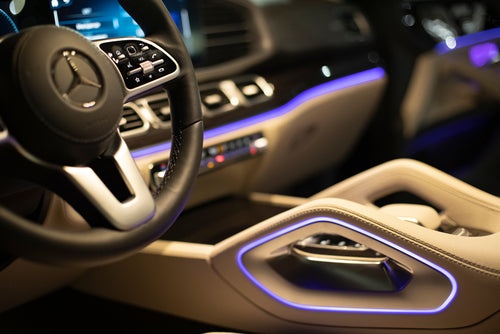
Aftermarket interior LEDs. Soft ambient LED strips inside the cabin are generally fine. The legal trouble starts when those LEDs change colors, flash, pulse, or are visible from outside the car. At that point, some states classify them under equipment lighting law and may restrict or prohibit them. Worth checking your local vehicle code before you drop $80 on Amazon for the rainbow kit.
What 2026 Drivers Should Actually Take From All This
Cabin lights are legal. Everywhere. There is no statute, in any state, banning the standard use of a dome light or courtesy light while driving. Officers can only act when those lights tie into something else, namely distracted or unsafe operation.
The trend going into 2026 worth noting: distracted driving enforcement is getting tighter across the board. Many states have moved to primary enforcement, meaning a cop can pull you over for distraction alone without needing another violation to anchor the stop. Adjusting lights, fiddling with phones, messing with infotainment screens. All of it is fair game now.
So technically, no, your interior light isn't illegal. But practically? Just turn it off when you're rolling. Your eyes, your reaction time, and probably your insurance rate will thank you for it.