Stuck in a Car Lease? Here’s How to Get Out Without Getting Burned

by AutoExpert | 20 March, 2026
Money's tight for a lot of people right now. In America, leasing is huge because it keeps monthly payments lower on something like a new Toyota Corolla. But that three-year commitment can start feeling like a trap real fast. When the payment stops working or the car doesn't fit your life anymore, getting out without getting crushed financially becomes the big question.
Lease exits come with penalties, yeah, but it's not always as bad as it sounds. Understanding how this stuff works matters if you want to stay flexible when money gets weird.
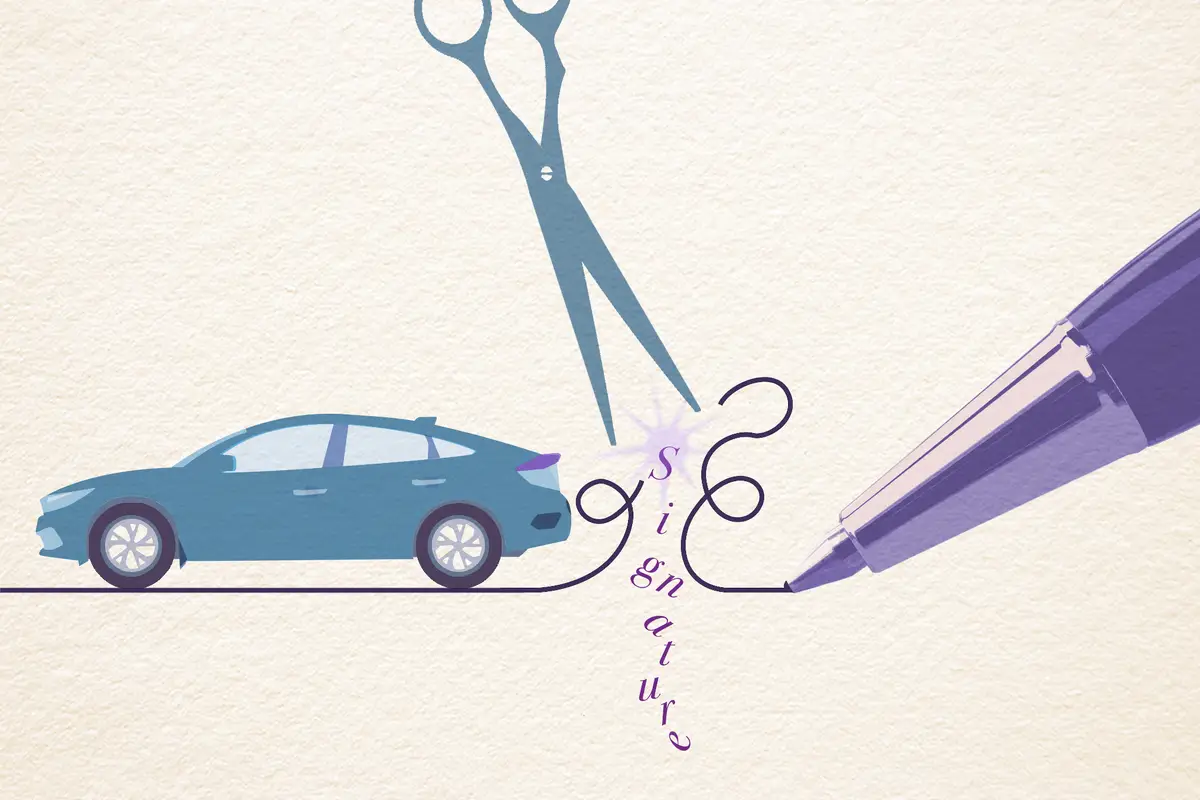
This is just a guide. Always talk through the fine print with whoever you're leasing from.
Four Ways Out
Lease Transfer
This is usually the cleanest way out if you want to dodge those brutal early termination fees. Find someone else to take over what's left of your contract. List the car on a swap marketplace, they run a credit check, and if everything clears, their name replaces yours. Done.
But here's the catch. Make sure the leasing company actually releases you from liability. If they don't and the new person stops paying, guess who they're calling? Verify that part before anything gets signed.
Trade It At A Dealership
Easiest option by far. The dealer checks what your car's worth against what you still owe. If it's worth more, congrats, you've got positive equity that can go toward your next car or maybe even cash in your pocket. If it's worth less, you're stuck with negative equity.
Sometimes if the used car market's hot and dealers are desperate for inventory, they'll cover your remaining payments just to get the car. Not guaranteed, but worth asking. Downside is you lose any profit a private sale might've brought. But if speed matters more than squeezing every dollar, this works.
Buy It Out And Sell It
This one's for people whose car held its value way better than the leasing company thought it would. Exercise your buyout option, then flip it to a private buyer or car buying service for a profit.
Heads up though. Most states make you pay sales tax when you buy out the lease, which eats into profit unless you sell within a super tight window. Sometimes only 10 days in certain places. Also gotta watch the market because recalls or sudden drops in demand can tank what you can sell for.

Early Termination (The Nuclear Option)
This is returning the car early with no backup plan. Most expensive way to bail. You get hit with an early termination fee, usually whatever's left on your payments minus what they get for the car at auction, plus a disposition fee on top.
Get a payoff quote first to see the actual damage. And if you're thinking about just letting them repo it because you can't pay, don't. That destroys your credit. Try a swap or trade-in first. Seriously.
Three Things To Watch Out For
Fees Everywhere
Getting out of a lease costs money, period. Even clean transfers have fees. Trade-ins and early terminations? Add disposition fees for prepping and reselling the car. Excess wear and tear or going over mileage? More charges. Using a third-party swap site? Membership and listing fees. And that down payment you made? Not getting that back from whoever takes over.
Transfer Restrictions Are Real
Some brands like Honda, Acura, Nissan, and Infiniti either don't allow transfers or keep you on the hook even after someone else takes over. That's called secondary liability. If the new person wrecks the car or stops paying, the bank comes after you.
Most brands also have blackout periods. Can't swap if there's less than six or sometimes 12 months left.
Before listing anywhere, call your lender and ask:
- Do you allow third-party transfers?
- Am I still liable after the transfer?
- How much time needs to be left on the lease to swap?
Keep Paying Until It's Official
Until you get that release of liability document in writing, you're still the owner. Don't stop payments the second you hand over the keys. If paperwork gets stuck and a payment date passes, a late mark hits your credit report and sits there for seven years.
Keep paying everything. Insurance, registration, the works. Only stop when you get the official "account closed" notice.
So Should You Do It?
Swapping makes sense if your budget's getting squeezed or you're not driving nearly as much as you thought you would. It's smart financial defense. But if you're already deep into the final year, the fees might cost more than just riding it out. Best time to swap is usually 12 to 24 months into a 36-month lease.
Also matters if your car's actually in demand. A swap isn't getting your money back. It's damage control.
If you're racking up miles way faster than expected and about to blow past your limit, swapping early dodges a massive bill at lease end. But if you've barely driven the thing, it might be worth more as a trade-in since that equity's yours.
Run the numbers on all your options at once. Trade-in, private sale, swap. Whichever one leaves the most money in your pocket while solving your problem wins.