What Is Four-Wheel Steering and Why Modern Cars Use It

by AutoExpert | 23 March, 2026
Four-wheel steering has been around longer than you think. From the early 1900s to be exact although it's become a buzz-word much more recently for big luxurious cars specifically. Part of the allure of four-wheel steering mechanisms is its ability to make a big car do small car things. Technology behind it while seemingly mystifying is both simple and effective in its ability to pinch the turning radius of long low-slung sedans like the Mercedes-Benz S-Class to that of a Mini Cooper. Performance-oriented systems are seen across a wide variety of sports cars but the history and early applications stem from humble roots.
Just like the internet four-wheel steering was quickly labeled a fad before any practical uses could be demonstrated. From its origins in the 1980s to advancements in use cases by General Motors in the early 2000s the current state of this technology lies not with the vehicles that first pioneered it but with the ones that dial it up to 11. Degrees of steering angle that is.
Four-Wheel Steering: What Is It?
Simple definition of four-wheel steering is the use of technology that allows the rear wheels to turn in addition to the front wheels with the aim of improving maneuverability. At slower speeds the back wheels turn in the opposite direction to the front wheels to allow a tighter turning circle. At high speeds the rear wheels can turn in the same direction to improve stability.
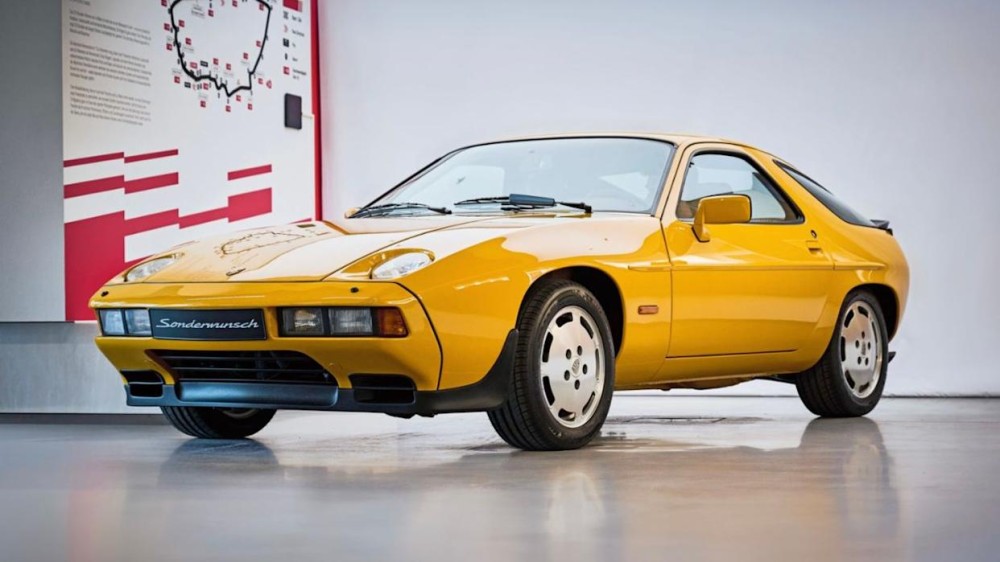
There are two types of four-wheel steering systems in vehicles: active and passive systems. One of the first rear-wheel steering systems was found in the 1978 Porsche 928 where engineers created a passive rear-wheel steering system to enhance vehicle dynamics in corners and while under hard braking. Small suspension pieces were added to the rear axle to do this which resulted in the toe of the rear wheels being more flexible thus reducing understeer.
Active systems utilize a physical steering system with a gearbox and connecting rods to move the rear wheels in conjunction with the front wheels depending on the steering angle and speed of the vehicle. Most common system found in modern vehicles.
Early Applications
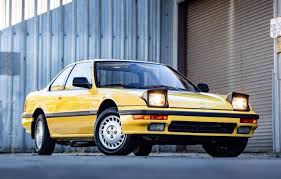
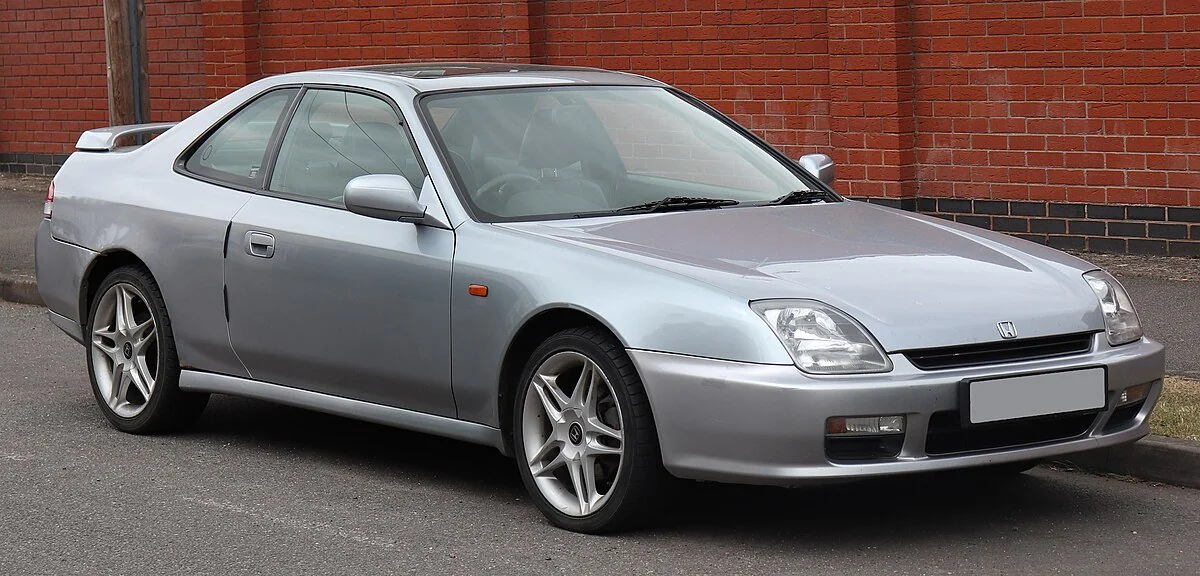
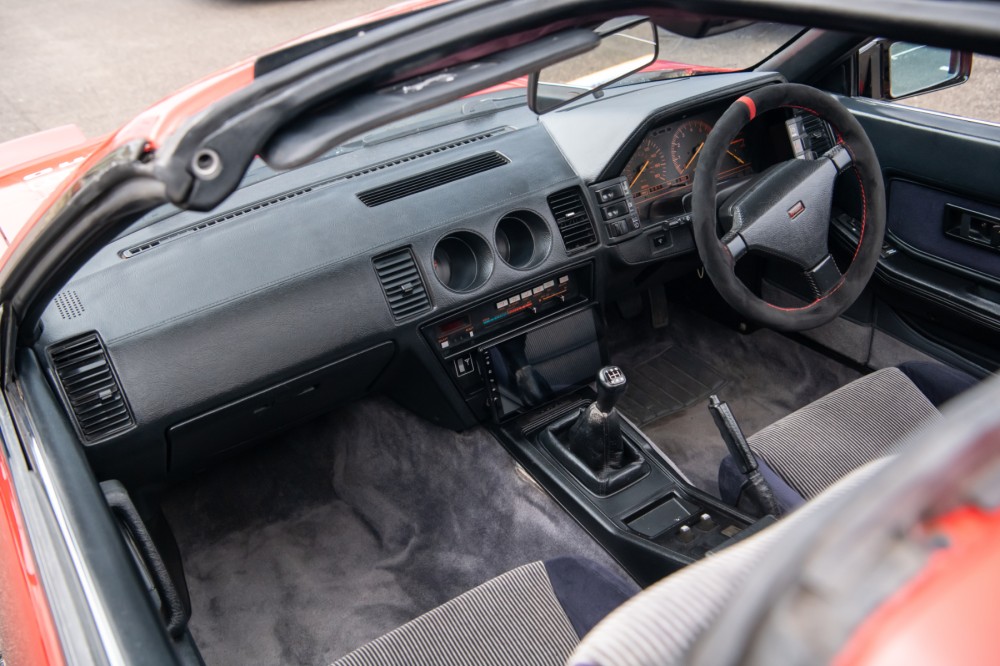
First making waves in the U.S. in the Honda Prelude Si suffixed with 4WS to promote the new technology Honda packed into its compact coupe. Already short wheelbase wasn't in need of any augmenting to trim the turning radius. Nevertheless the first production car with a non-passive system had arrived. Others before Honda like Porsche would create artificial rear-steering via passive setups.
Prelude Si 4WS system was a mechanical setup with a steering gearbox connected via a shaft to the front steering rack. At highway speeds the rear steering angle would turn up to 1.5 degrees in the same direction the front was turned to provide better stability. At slower speeds say around town or a tight parking lot the rear wheels would turn up to 5.3 degrees in the opposite direction to increase maneuverability.
After Honda came Nissan employing the system exclusively on 300ZX Twin-Turbo models starting in 1990 along with Toyota and Mitsubishi on their sports cars and later Mazda on a whole fleet of models. System generally worked the same as Honda's each making their own adjustments and offering different angles to maximize performance. After the mad rush to steer all four wheels Japanese brands backed out of the technology altogether. Weren't a lot of new cars coming out that had four-wheel steering systems until it was revived in the early 2000s by General Motors.
Case Study: GM Quadrasteer
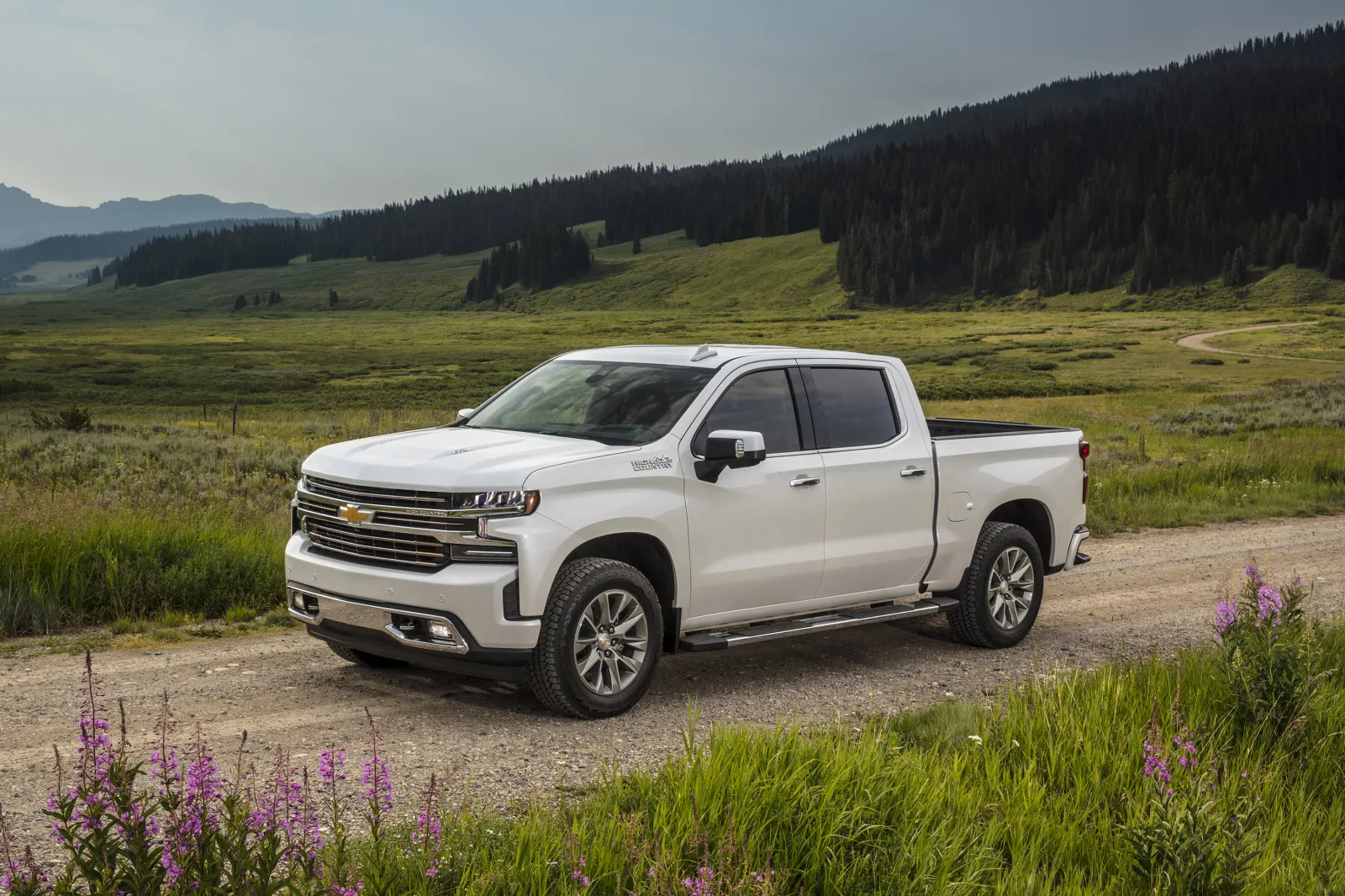
First trucks and SUVs to use a four-wheel steering system were the Chevrolet Silverado and Suburban and the GMC Sierra and Yukon XL. GM's 4WS system which angled the wheels a whopping 15 degrees in the opposite direction at speeds lower than 45 mph was the first to be used on pickups and SUVs. Non-4WS trucks had a turning radius of 46.2 feet but the extra help from the rear axle cut that number down to 37.4 feet. At the time the Saturn 3-Door Coupe was one of GM's shortest wheelbases at 102.4 inches and it had a turning radius of 37.1 feet. Putting the 4WS system in Tow Mode cut the angle back to 12 degrees still proving useful when hauling a trailer.
System was dropped after a few years running from 2003 to 2005. It was an expensive option in its day costing buyers nearly $5,600 even though it was cut down to under $2,000 by the time it was discontinued. Still remains part of GM lore and if you're the ultimate fan of the automaker you should know about this piece of technology.
4-Wheel Steering in 2026
Four-wheel steering is most common in large luxury vehicles like the Land Rover Range Rover and Range Rover Sport as well as sedans such as the aforementioned S-Class and the BMW 7 Series. These are cars that without this system would have noticeably worse turning ratios but still feel planted when changing lanes on the highway thanks to their long wheelbases. Since these longer cars employ a four-wheel steering system to boost maneuverability at lower speeds the S-Class and Range Rover offer a remarkable 7.3 and 10 degrees of steering angle respectively. 7 Series presents itself as the outlier of the luxury vehicles with only 3 to 3.5 degrees of rear steering angle.
High-Performance Sports Cars
Number posted by the BMW is more in tune with sports cars that utilize the mechanism for better cornering. Slight adjustment at higher speeds in corners is all that's needed to prevent understeer and hold the road better which means sports cars don't need to angle the tires out too far to mask their wheelbases like the limousines do. Porsche 911 for example offers the same kind of steering assist at low speeds and highway speeds but doesn't need to adjust beyond 3 degrees due to its shorter wheelbase.
Extreme Cases
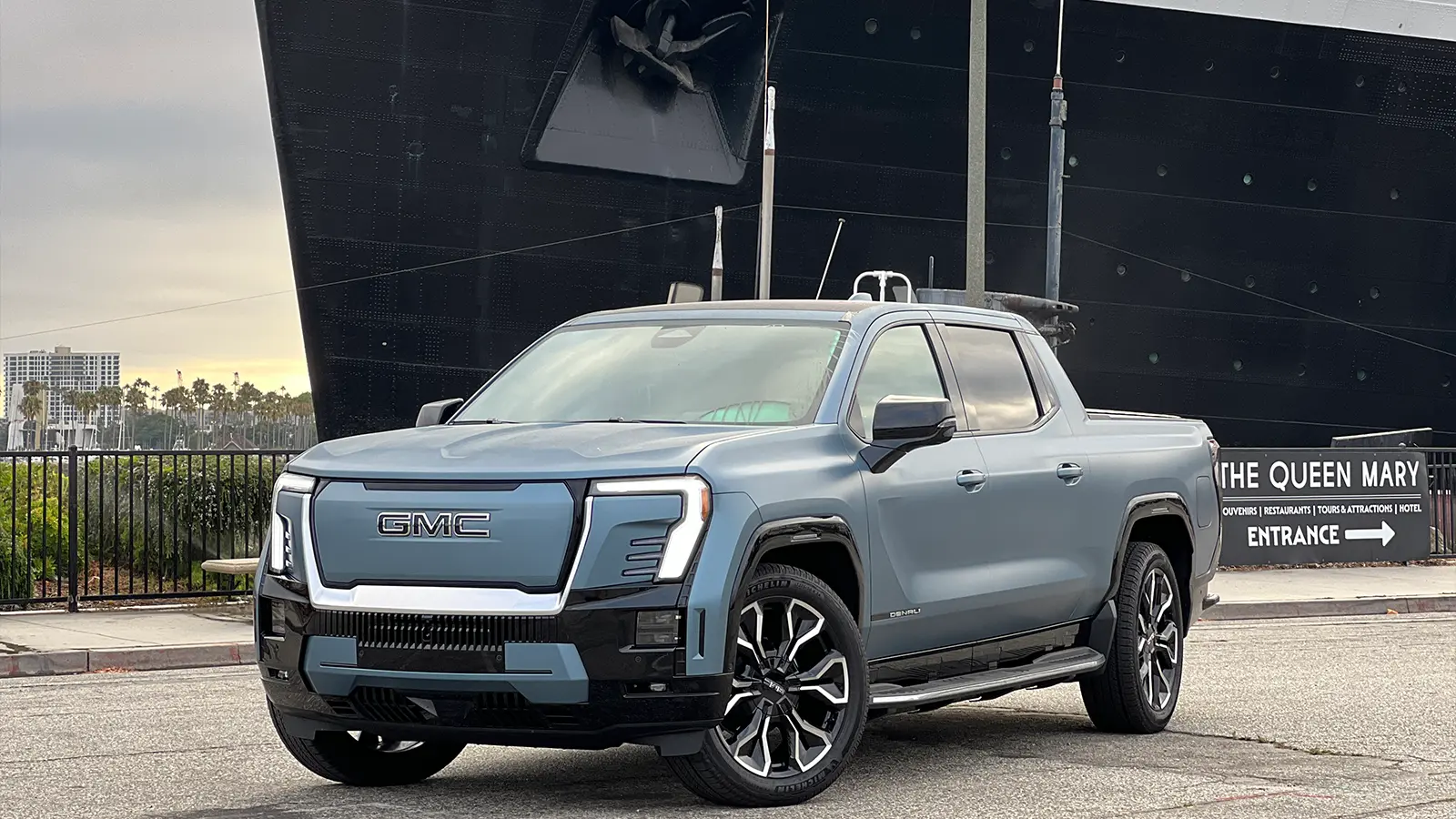
Where we see all-wheel steering full-tilt, pun intended, is with GMC's fleet of large electric trucks and SUVs. "CrabWalk" as it's branded for the Sierra EV and Hummer EV Pickup and "King Crab" for the Hummer EV SUV is a four-wheel steering system that allows all four wheels to turn in the same direction moving the vehicle side to side at an angle. Rear wheels' 10 degrees of angle change in both directions offers up a unique experience at slower speeds something no other vehicles currently offer. GM claims this is useful in tricky sections of off-road courses as well as more likely urban scenarios of easier parallel parking.
What's even more interesting is that this system isn't GM's first time experimenting with a four-wheel steering system which leads us to the interesting period of time between when the technology came to the U.S. and what kinds of cars it ended up being most useful in.
Why Don't All Cars Use Four-Wheel Steering?
Excluding the early adopters that pioneered the technology very few mainstream cars utilize the system. Only vehicles on sale today that truly benefit from a four-wheel steering system are ones with long wheelbases most of which are luxury cars or expensive trucks. 1988 Prelude and 1990 300ZX have far shorter wheelbases and didn't really need the systems while today's Range Rover and S-Class make a world of difference.
2026 Prelude surely doesn't need it but even sports cars like the Toyota Supra or Nissan Z don't utilize the system because of its extra cost and lack of justifiable performance gains. System itself is pretty expensive so adding it to mainstream vehicles would only drive the price up more whereas the difference for luxury cars is negligible. High-end sports cars get the best of both worlds as the system pays dividends when the car approaches its limits and when it's bumbling around town.
Due to its extra complexities and additional costs where the system makes the most sense is where it's found in 2026. When it was still a fad in the 1980s it was all the rage to have a 4WS badge somewhere on the car. Could've made an entire list of cars that had the system that truth be told really didn't need them in order to be great sports cars in their own right. Today that list would be quite long. And it would instead be of the cars that are in desperate need of it.