
Ford Pulls Back On Large EVs and Bets On Hybrids Instead
by AutoExpert | 16 December, 2025
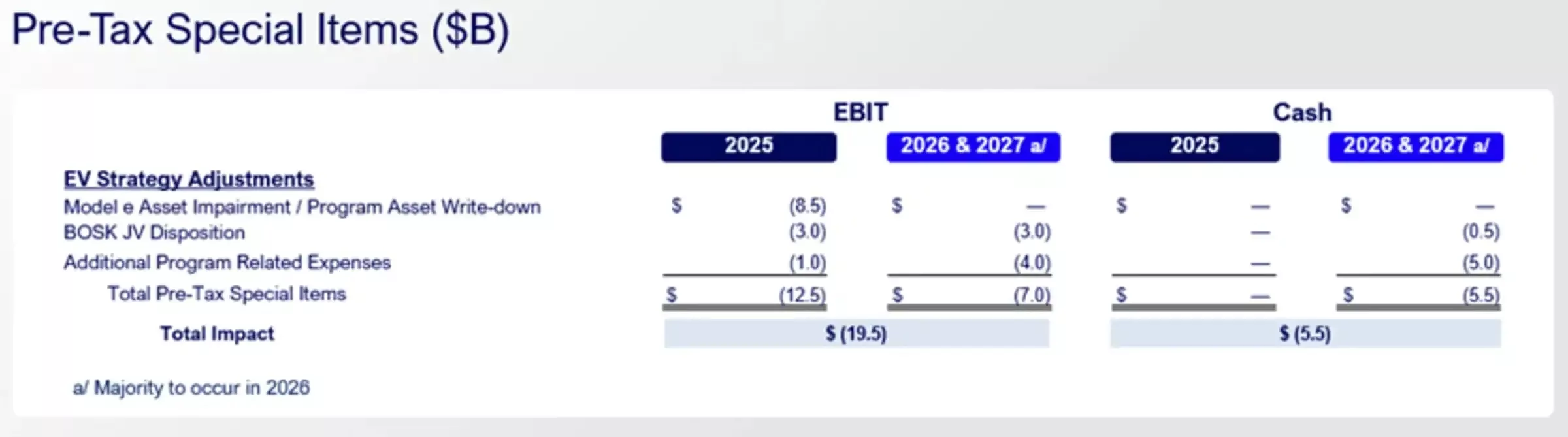
Ford is changing course, and it’s doing it fast. The push to go all-in on electric vehicles turned out to be more expensive and slower than expected, so the company is now scaling things back. That change of direction is coming with an approximately $19.5 billion cost, which is related to canceled projects and revised plans.
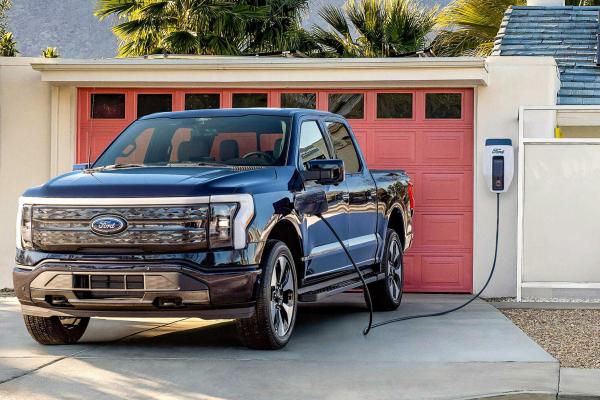
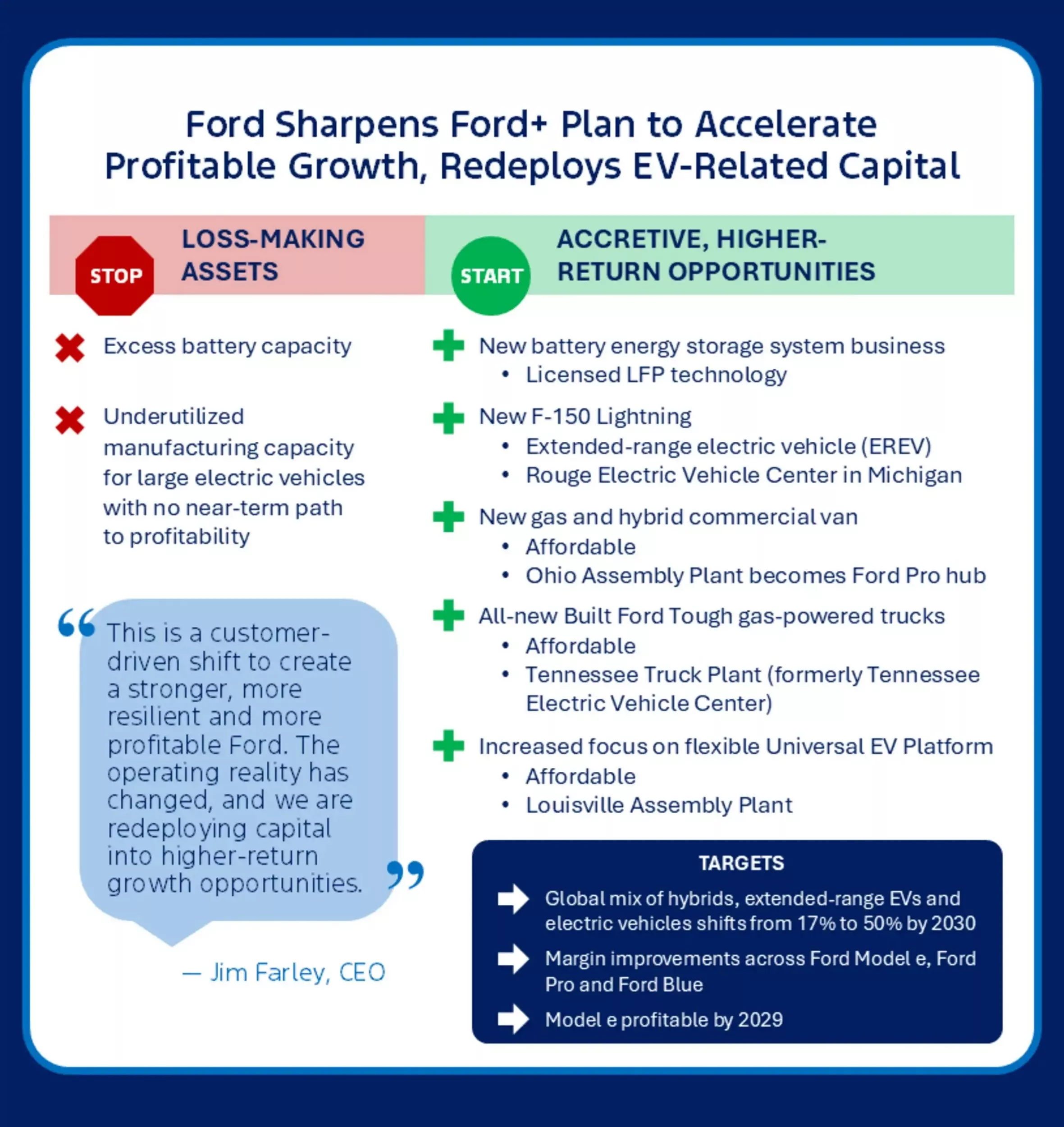
One thing Ford is making clear is that large EVs aren’t working right now. Demand hasn’t kept up, costs are still high, and the numbers don’t add up. As a result, some big electric models are being dropped. That likely includes the current F-150 Lightning, which Ford plans to pause and later bring back in a different form, using a range-extended setup instead of going fully electric.
Electric vans are also out for now. Ford has walked away from a planned EV van for Europe, and the North American version is gone too. In their place will be a simpler, cheaper work van offered with gas and hybrid power. Production is scheduled to start in Ohio in 2029.
Ford is not abandoning EVs, just scaling back the effort. Three-row electric SUVs were already canceled, and what remains is a smaller, more affordable EV program. These cars will sit on the new Universal EV Platform, with the first model expected in 2027 at roughly $30,000.
Where Ford now sees real momentum is in hybrids and range-extended vehicles. The company expects these to make up about half of its global sales by the end of the decade. Some will focus on fuel savings, others on added performance, and some will offer onboard power for tools and equipment.
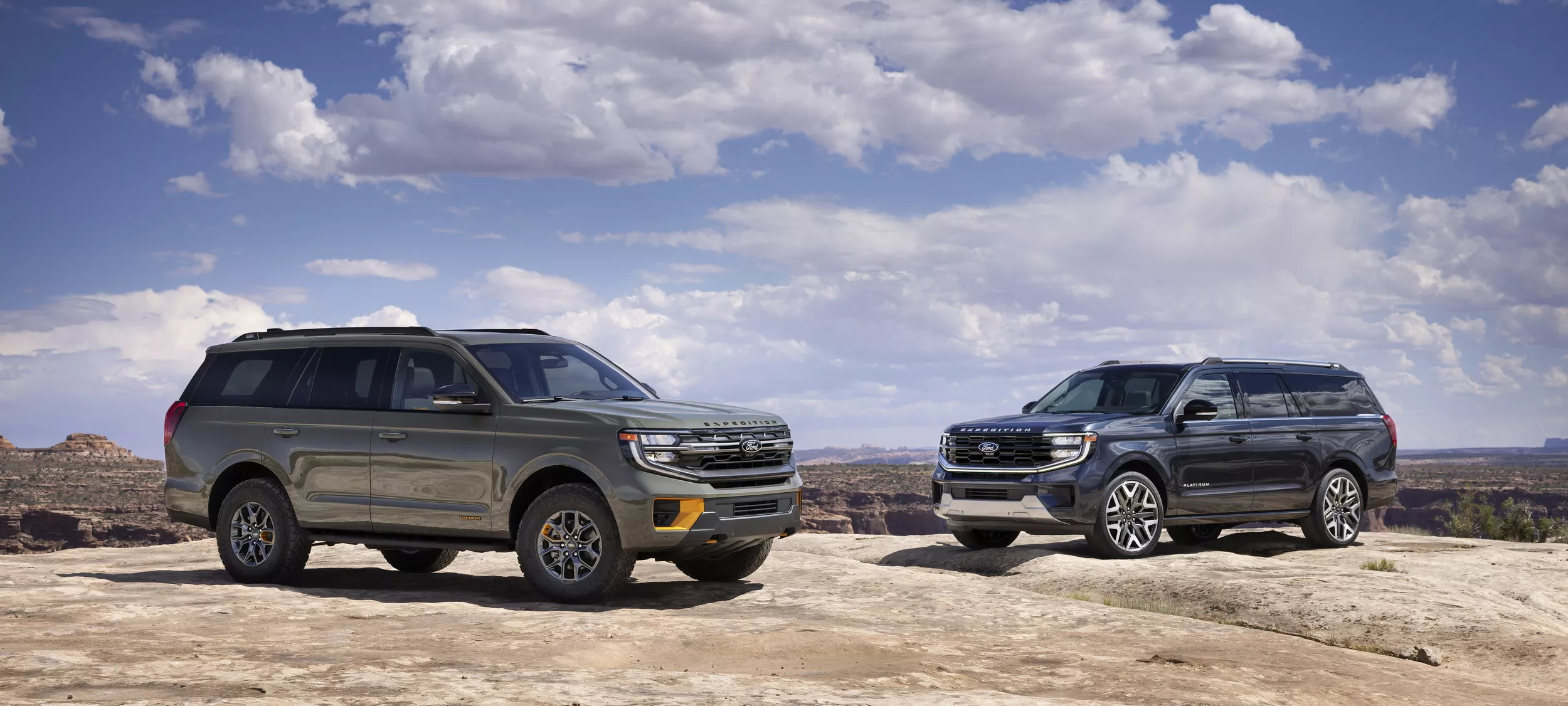
That range-extended idea isn’t limited to trucks. Ford hinted that its large SUVs will also get similar systems, which points to future electrified versions of the Expedition and Navigator.
The shift is so big that Ford is even changing plant names. What was supposed to be the Tennessee Electric Vehicle Center will now become the Tennessee Truck Plant, building affordable gas-powered trucks starting in 2029.
At the same time, Ford is finding new uses for its battery investments. Excess capacity will go toward large energy storage systems for the power grid and data centers, as well as home battery units. Plants in Kentucky and Michigan will handle this new business.
Ford’s message is straightforward. This is about building what customers actually want and what the company can make money on. EVs are still part of the picture, but they’re no longer the whole picture.