
Fake Car Sales? How Insurance Data Is Misleading China’s Auto Market
by AutoExpert | 29 July, 2025
Car sales in China are booming on paper, but it turns out those numbers might be a little too good to be true.
A new investigation from Reuters reveals that some of China’s biggest automakers are inflating their sales figures by counting cars as “sold” the moment they’re insured, even if no customer has actually bought them yet. It’s a clever way to make sales look stronger, but it’s also raising eyebrows across the industry.

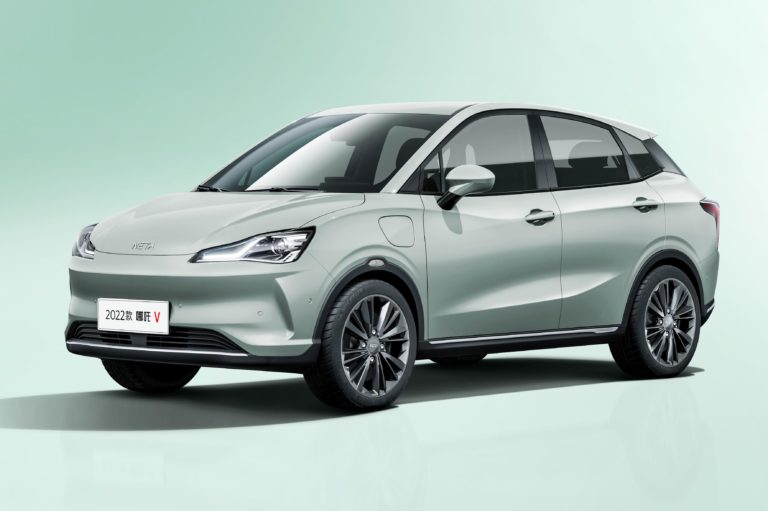
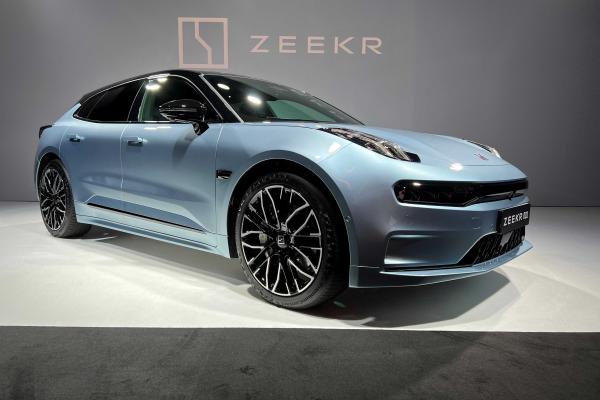
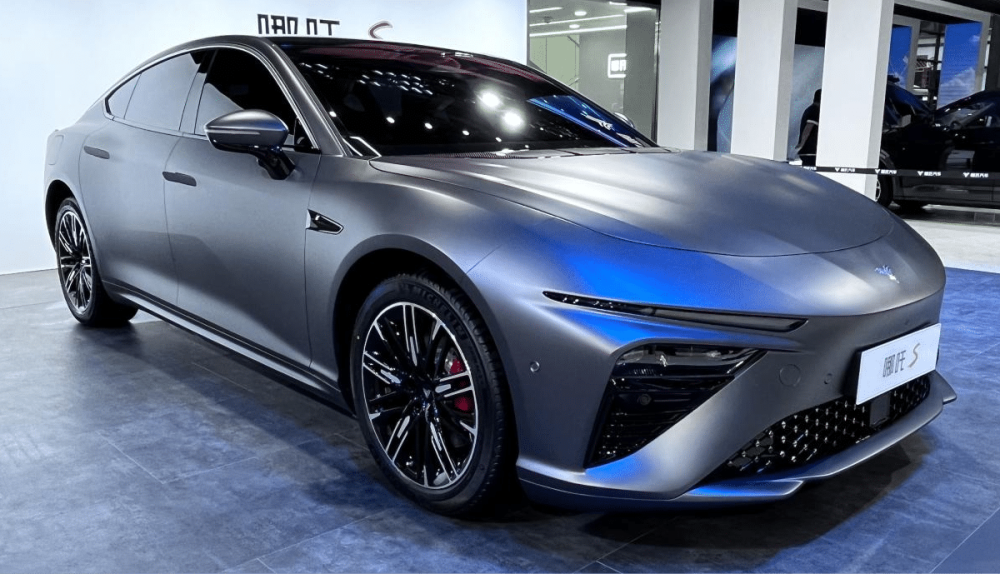
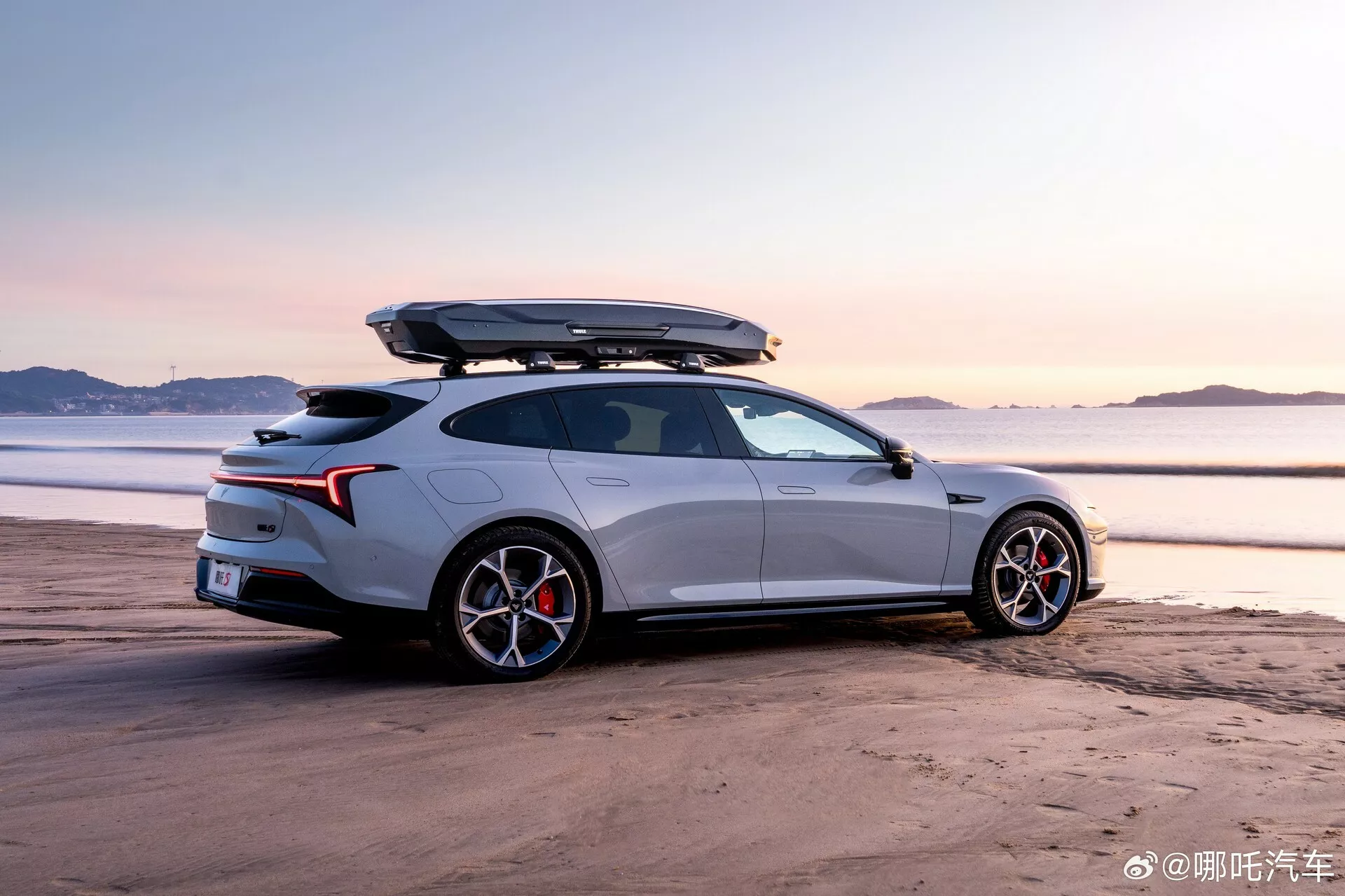
Take Neta, for example. Between January 2023 and March 2024, the company reportedly marked over 64,000 cars as sold using this trick, which is more than half of its total sales for that time. Zeekr has done something similar, and it turns out they’re not alone. Dealerships tied to big names like SAIC, Nissan, Toyota, and even VW have admitted they’ve used this approach to hit internal sales goals.
For many buyers, the surprise comes after the deal is done—when they find out their brand-new car had insurance on it before they ever drove it off the lot. Some customers filed complaints after discovering the odd timing of their vehicle’s registration, only to be told it was all part of helping the manufacturer meet targets.
Not all brands are on board. Honda says its GAC Honda dealers are strictly prohibited from insuring unsold cars, and GM claims it only counts actual deliveries to customers.
Here’s the confusion: China tracks auto sales using two separate metrics. One tracks how many cars automakers ship to dealerships, and the other is based on mandatory insurance registrations—a closer proxy to real consumer purchases. As the competition between automakers has heated up, especially since the price war began in 2023, many companies have leaned heavily on weekly sales rankings based on insurance data to make themselves look good.
China’s auto industry association, CAAM, isn’t thrilled about the trend. It recently criticized the use of insurance figures for public rankings, saying the numbers are unreliable and only stoke further cutthroat competition.
In short, some of those jaw-dropping sales numbers may be more smoke and mirrors than actual success stories.