
Europe Is Falling Out Of Love With Tesla, And It’s Getting Ugly
by AutoExpert | 28 May, 2025
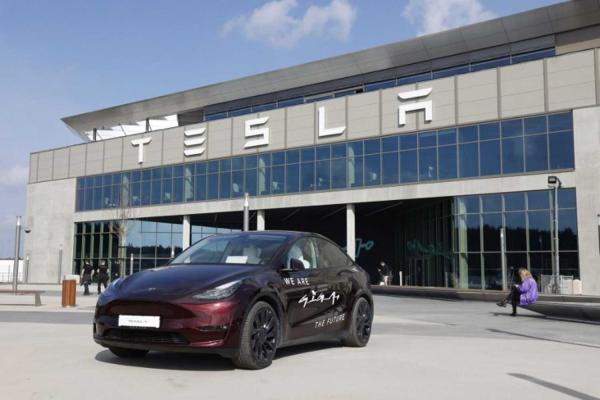
Tesla is struggling in Europe—badly. In April, sales dropped by nearly 50 percent. That’s not just a small problem; it’s a serious one. The company’s grip on the market is slipping fast.
It’s not like people in Europe have lost interest in EVs. Quite the opposite, actually. Sales of electric cars across the EU, the UK, and EFTA countries are up almost 28 percent. EVs are booming—just not for Tesla.
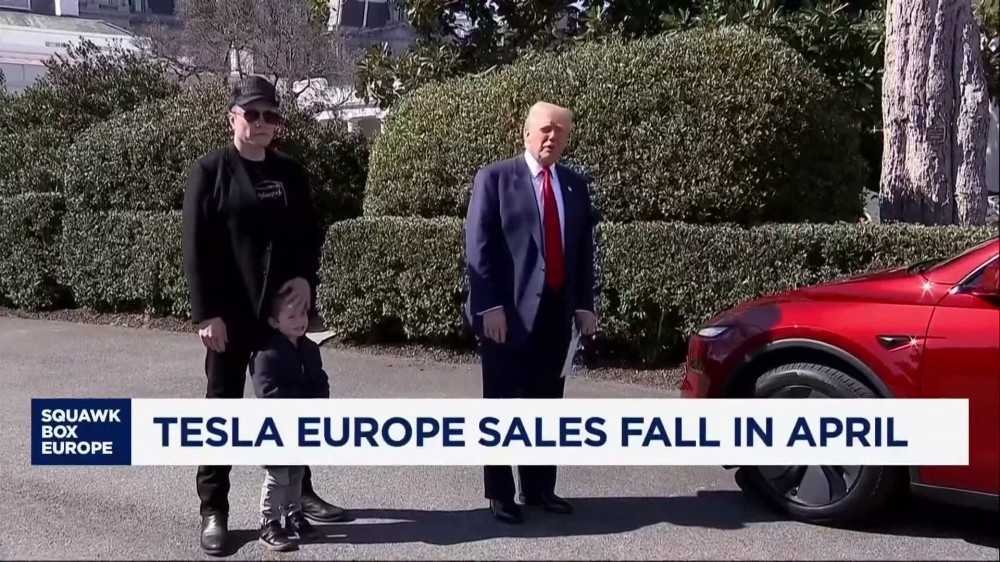
Well, for starters, the competition has caught up. Fast. European buyers now have more choices than ever when it comes to electric vehicles, and those choices often look fresher, feel more premium, and don’t come with Elon Musk’s constant drama attached. It turns out people don’t just want range—they want style, substance, and a brand that doesn’t feel like a circus.
Tesla tried to shift the blame to factory downtime, saying the production switch to the new Model Y was the culprit. That excuse might have worked for a month or two, but at this point, production is back up, the updated Model Y is in showrooms, and… the sales still stink. Clearly, the refresh didn’t land the way they hoped.
So now what? Tesla has two options: drop prices or drop new models. The company has already slashed prices multiple times, and with U.S. tax credits potentially going away, Teslas are about to get pricier in their home market, too. Add tariffs and rising production costs to the mix, and that’s a tight squeeze.
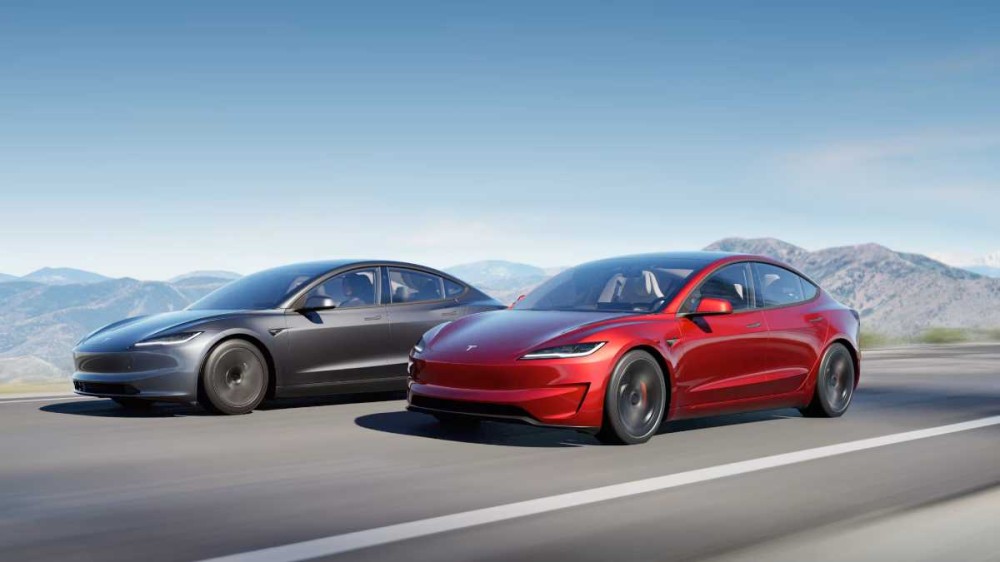
As for new stuff? The Cybertruck hasn’t exactly been the game-changer everyone was waiting for. The Semi still isn’t mass-produced. And the so-called “Cybercab” two-seater? Sounds more like a design sketch than something we’ll see anytime soon. The rest of the lineup is aging fast. The Model S came out over a decade ago, and even with a few facelifts, it’s starting to show its wrinkles.
Musk’s latest bet is on autonomy. He keeps saying Tesla isn’t a car company—it’s an AI company. If he can actually deliver a reliable, self-driving vehicle that people trust and can afford, that could shake things up again.
But that’s a big “if.” The challenge with selling autonomy is trust. And let’s be honest—Tesla hasn’t exactly done a great job building that lately. After years of treating public roads like beta test zones and brushing off regulators, confidence in the brand is wearing thin. And trust, once you lose it, is hard to win back.