
Driving While Pregnant: Seatbelt Safety & What to Know

by AutoExpert | 25 September, 2025
Pregnancy and seatbelts don't exactly play nice together. That growing belly makes everything awkward, including something as simple as clicking a seatbelt into place.
Getting It Right
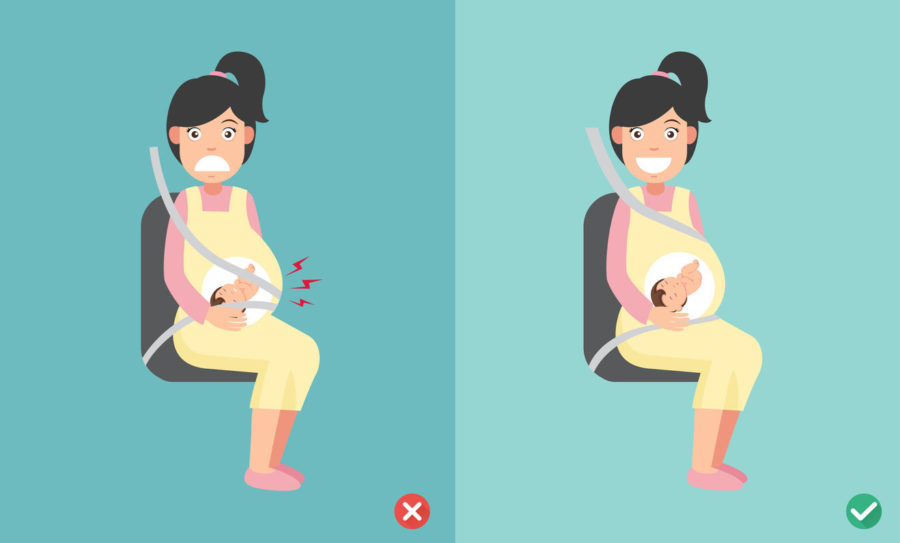
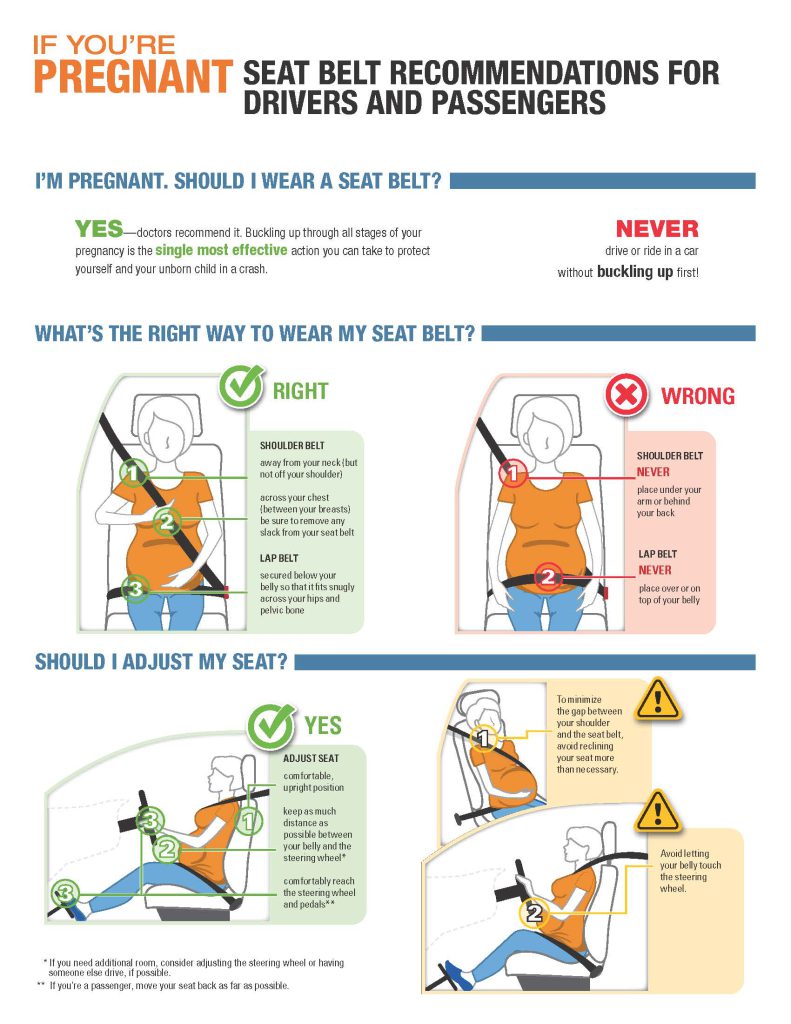
The secret isn't rocket science, but most people get it wrong anyway. The lap part goes under the bump - way down low on the hips, not squishing the belly. The shoulder part runs between the boobs and around the side of the bump.

Sounds easy enough, right? Well, researchers found that almost every pregnant woman says she wears her seatbelt, but only about 4 out of 10 actually do it correctly. Oops.
Why It Sucks Sometimes
Let's be real - pregnancy makes everything uncomfortable. The seatbelt digs into weird places, presses on a bladder that's already working overtime, and somehow always seems to hit the most tender spots. By month 8 or 9, even getting into the car feels like a production.
But here's the deal - doctors say the biggest risk to babies in car crashes is losing mom. So yeah, the seatbelt stays on, even when it's annoying.
The Rules
Every state requires seatbelts for pregnant women, same as everyone else. Get caught without one and there's usually a fine waiting. More importantly, the odds of getting seriously hurt in a crash go way up without it.

Those Pregnancy Seatbelt Gadgets
Walk into any baby store and there's probably some contraption promising to make seatbelts more comfortable during pregnancy. Some work fine, others are pretty much useless, and a few might even make things less safe.
The good ones just help position the regular seatbelt better - they don't mess with how it actually works in a crash. Problem is, the really tested and approved ones can cost a few hundred bucks, which isn't exactly pocket change for most families preparing for a baby.
Making It Work
A few tricks can help make the whole thing less miserable:
Adjust the seat so it's easier to sit up straight - slouching just makes the belt sit in all the wrong places. On longer trips, pull over every hour or so to stretch and walk around a bit. And if something feels really off - cramping, dizzy spells, whatever - don't tough it out. Pull over.
When to Stop Driving
Nobody can say exactly when pregnant women should quit driving, but a lot find it gets pretty uncomfortable after about 36 weeks. If the steering wheel's bumping the belly or the pedals feel too far away, maybe it's time to start asking for rides.
Best bet is talking to whoever's handling the prenatal care. They know the specifics of each situation better than any general advice.
Getting Help
State transportation departments usually have info about pregnancy and seatbelt safety on their websites. OB-GYNs and midwives deal with these questions all the time too, so they're good people to ask.
Anyone thinking about buying one of those seatbelt adjusters should look for something that's actually been tested and meets US safety standards. Lots of products make big claims, but the proof is in whether they've been through proper crash testing.