
Driving in the US: A Guide for Foreign Visitors
by AutoExpert | 5 August, 2025
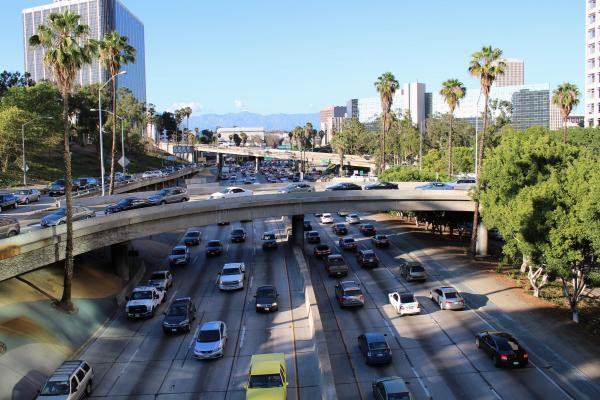
America loves cars more than most countries love anything. There are over four million miles of roads here, which sounds impressive until you realize most of it connects gas stations to Walmart parking lots.

Still, for visitors wanting to see the country properly, renting a car beats the hell out of trying to figure out public transportation in most places.
The Highway Situation
American roads are surprisingly logical once someone explains the system:
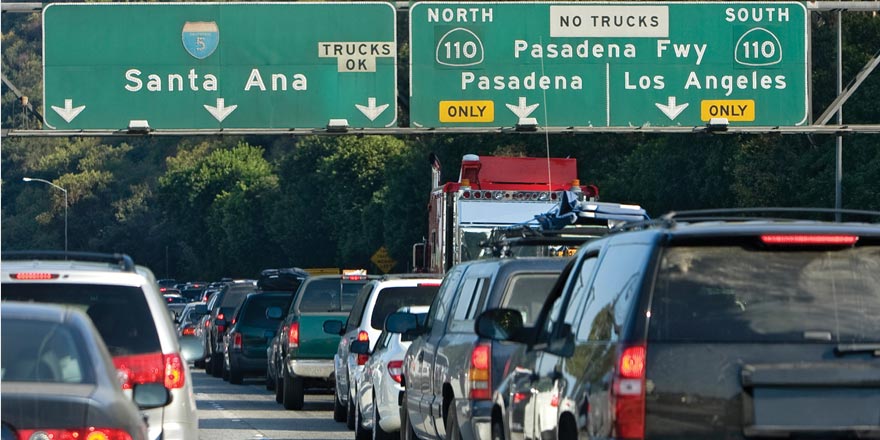
Interstates are the big blue-signed highways that actually go places. Even numbers run east-west, odd numbers go north-south. The numbering starts low in the south and west. So I-10 runs along the Mexican border while I-90 cuts across the northern states.
US highways are older roads with white signs. They connect cities too but have traffic lights and slower speeds. The numbering works backwards from interstates because apparently consistency is overrated.
State roads are whatever's left over. Each state does their own thing with signs and numbering, which keeps things interesting.
Driving on the Wrong Side
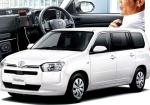
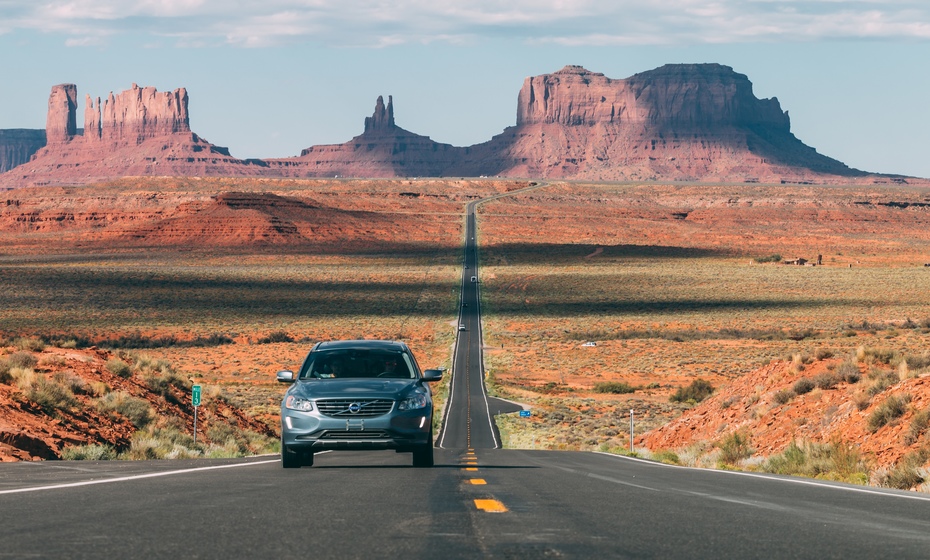
For anyone used to driving on the left, American roads feel backward at first. The rental car will be set up for right-side driving, so the steering wheel's on the left and everything else follows.
Most rentals are automatic, which actually helps because there's less to think about while adjusting to being on the opposite side.

Rules That Make No Sense
Some American driving rules confuse everyone:
- Right turn on red is legal after stopping, unless posted otherwise. This baffles visitors who think red means stop completely.
- Four-way stops work on a first-come basis. Whoever gets there first goes first. If everyone arrives together, the person on the right wins. It's like a very slow game of chicken.
- School buses with flashing lights are basically sacred. Pass one illegally and the fine will be memorable. Some states make you stop even if you're going the opposite direction on a divided highway.
- Highway passing happens on both sides. The left lane is supposed to be for faster traffic, but good luck with that in practice.
Speed Limits Are Suggestions
Interstate speeds range from 55 mph in some cities to 85 mph in Texas, where everything is bigger including the speed limits. Most rural interstates allow 70-80 mph.
School zones drop as low as 15 mph and aren't always well-marked. Cops love hiding near schools, so slow down around anything that looks educational.
Parking Will Bankrupt You
Cities take parking seriously. Don't park near fire hydrants, in front of colored curbs, or in disabled spots without permits. Time limits are real and meter maids are ruthless, especially in tourist areas.
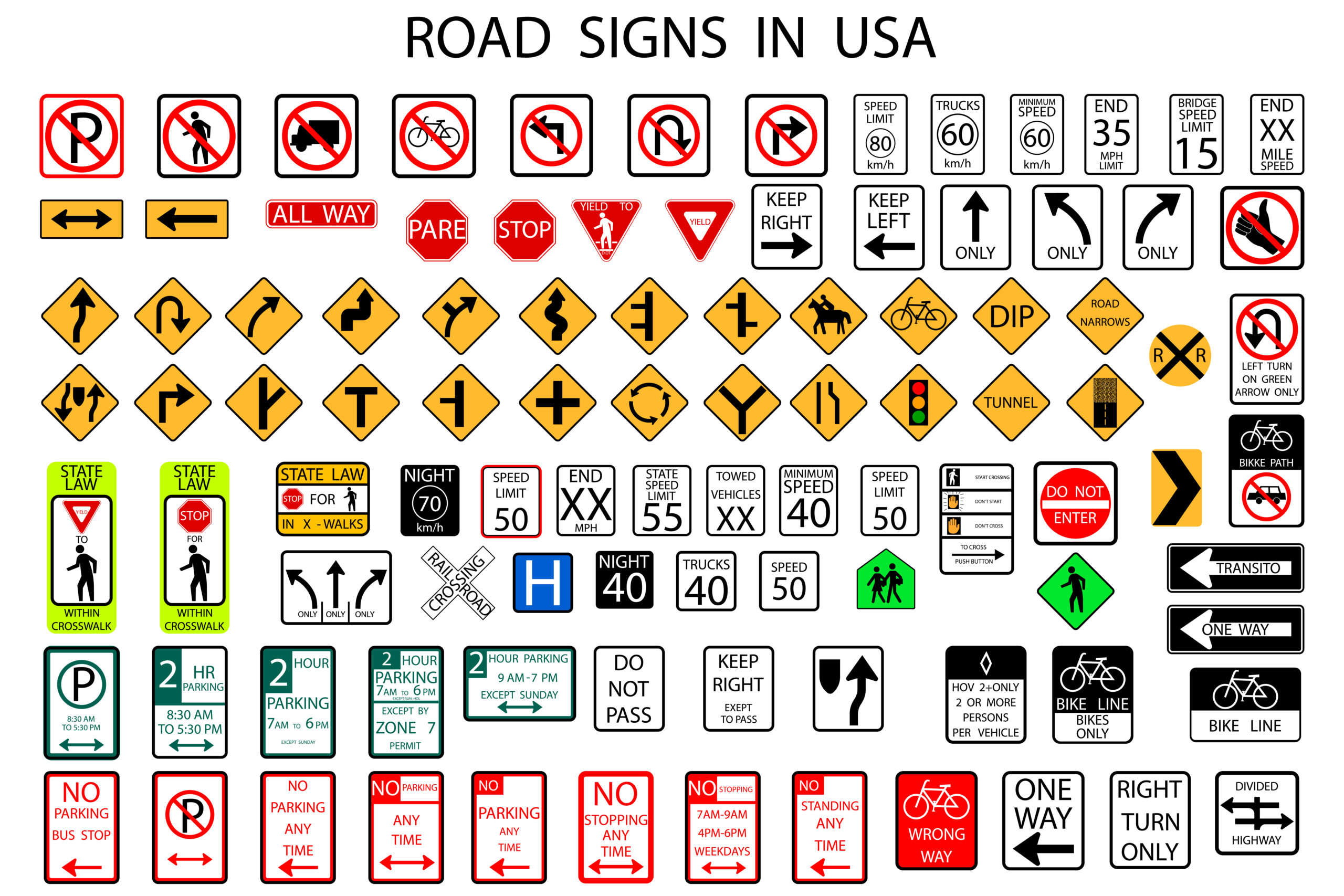
Things That'll Ruin Your Day
American roads have their own special hazards:
- Potholes big enough to lose small cars in, thanks to decades of "we'll fix it next year" maintenance policies.
- Deer that treat highways like their personal crossing zones, especially around sunrise and sunset.
- Weather that goes from pleasant to apocalyptic in about twenty minutes. When locals say don't drive, they mean it.
- HOV lanes that require multiple passengers and cost serious money if you cheat.

Reality Check
Most foreign visitors figure out American driving pretty quickly. The roads are usually well-marked, and other drivers generally don't lose their minds over tourists learning the ropes.
Rental companies explain the basics, GPS handles navigation, and the main challenge is adjusting to right-side driving plus the fact that American drivers can be more aggressive than expected.
For real problems, call 911. For car trouble, call the rental company - they deal with confused foreigners breaking down in strange places all the time.