Driving Abroad: Your Essential Guide for Americans
by AutoExpert | 1 August, 2025
Planning to drive overseas this summer? Here's what Americans need to know about car insurance, speed limits, documents, and staying safe on foreign roads.
Summer vacation season's heating up, which means thousands of Americans are planning road trips beyond U.S. borders. Whether it's cruising through Canada or exploring Mexico, driving abroad can be a blast – but it's not exactly like driving down I-95.
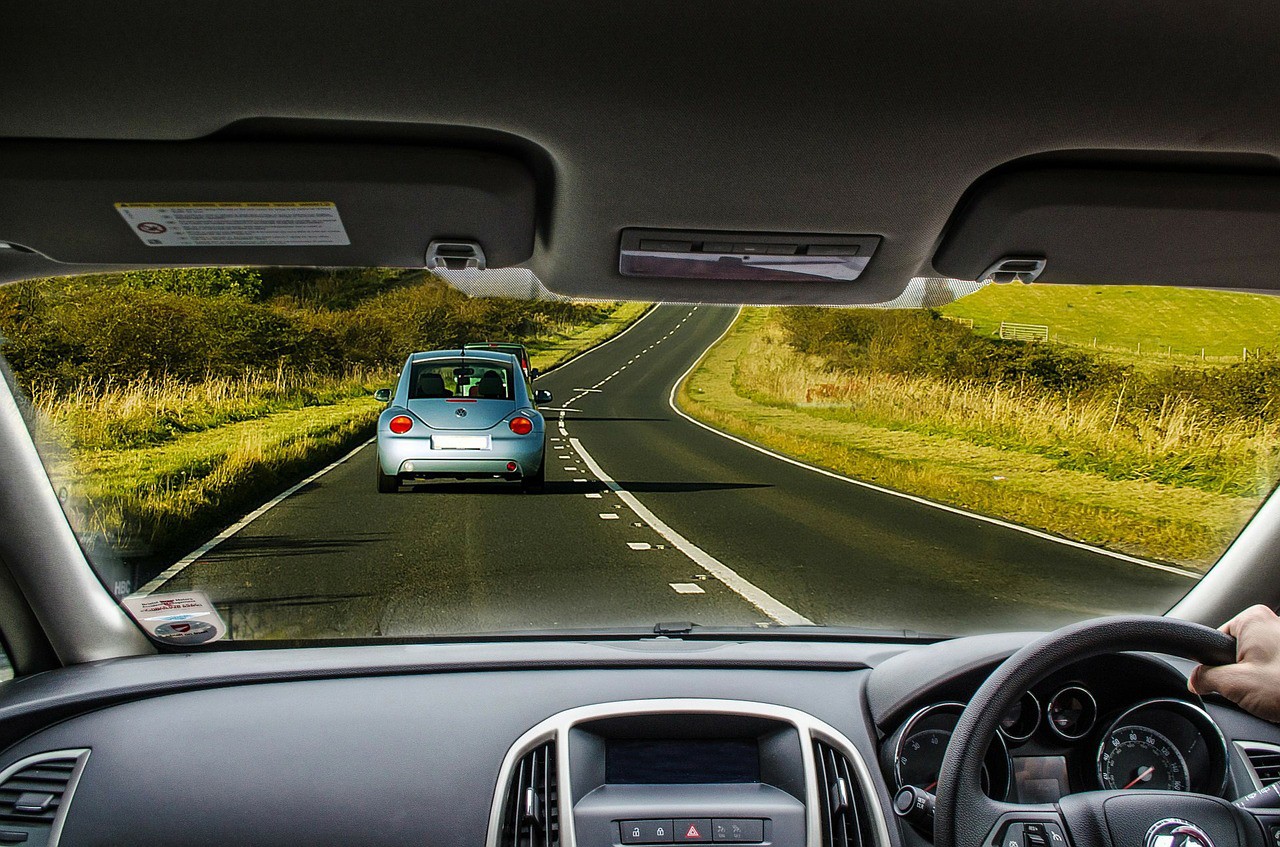
Different countries mean different rules, and nobody wants their dream vacation turning into a nightmare of fines and headaches. Here's the real deal on what drivers need to know before hitting foreign roads.
Which Side Are We On Again?
Sounds like a no-brainer, but plenty of Americans forget that most of the world drives on the right side – except for places like the UK, Australia, and parts of the Caribbean where they drive on the left. The switch can mess with your head, especially when you're tired or just getting started.
The trickiest moments? Pulling out of airports, hotels, or after stops where you've been walking around. Take it slow and give yourself extra space, especially in something big like an RV.

Insurance Reality Check
Here's where things get interesting. Most U.S. auto insurance policies offer some coverage in Canada and Mexico, but it's usually pretty basic – think liability only. For anywhere else, you're probably looking at zilch.
Smart move? Call your insurance company way before you leave. You might need temporary international coverage, which beats the hell out of dealing with an accident abroad with no protection. Some rental car companies also offer short-term policies if you're planning to rent.

Speed Trap Central
Every country's got its own speed limit quirks. What's really sneaky is that some places change limits based on weather – like dropping speeds when it rains on certain highways. Miss those signs and boom, you've got a ticket waiting at home.
The good news? You won't get points on your U.S. license. The bad news? Those international fines can be brutal – we're talking hundreds of dollars.
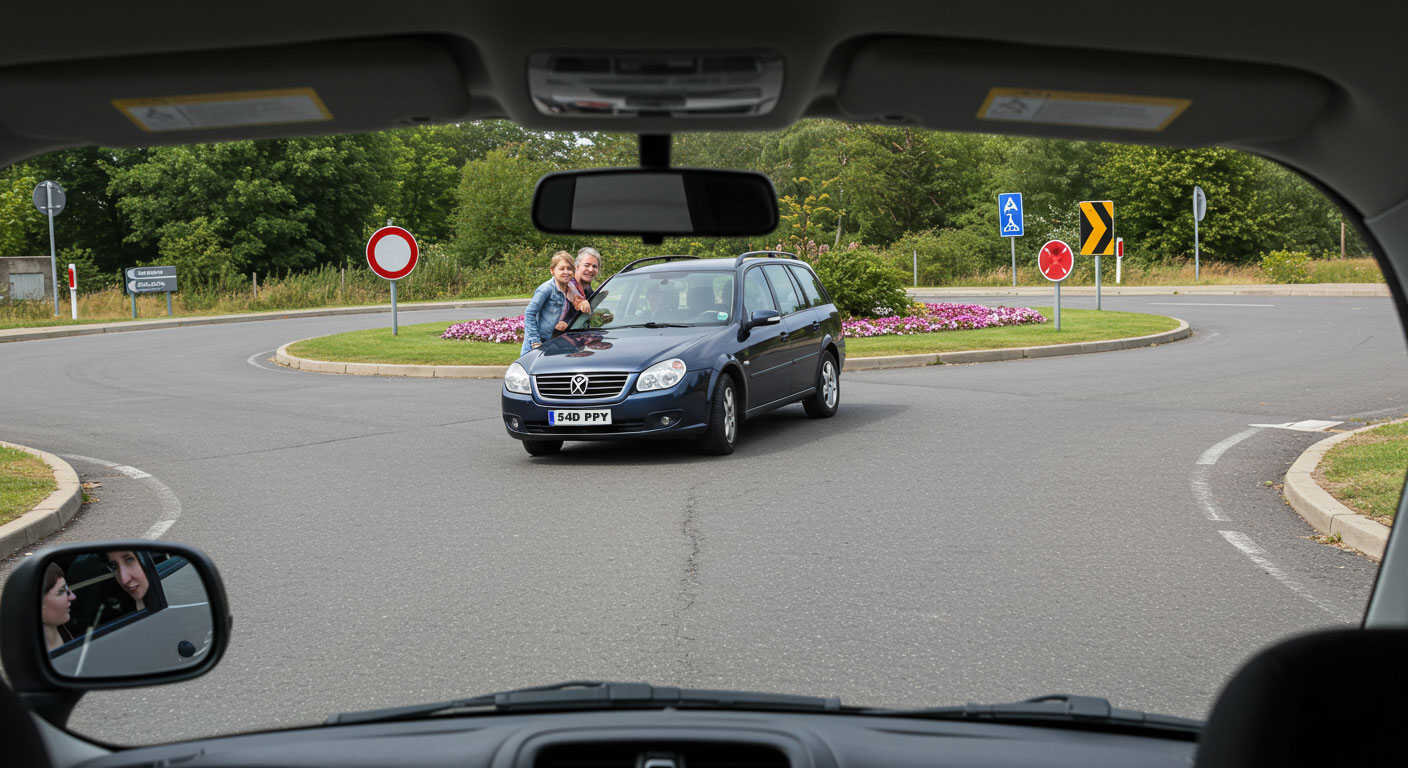
GPS and Phone Headaches
Your trusty GPS or phone apps work great, but heads up – some countries actually ban speed camera alerts on GPS systems. Weird, right?
And don't even get started on international roaming charges. Even with "unlimited" plans, using your phone for navigation abroad can rack up serious bills. Download offline maps before you go or grab a local SIM card.
Paperwork That Actually Matters
Most countries want to see your vehicle registration along with your license. In some places, not having it can mean instant fines. Your regular U.S. driver's license usually works for short visits, but longer trips might need an International Driving Permit – basically a translation of your license.
Pro tip: Keep copies of everything in different places. Lost paperwork abroad is nobody's idea of fun.

Weird Rules Nobody Tells You
Some countries have seriously random requirements. Like carrying spare glasses if you wear them, or having specific safety equipment in your car. Each place is different, and the fines for missing this stuff can be steep.
Before heading out, check what's actually required where you're going. A quick online search can save major hassles later.
Toll Road Sticker Shock
Toll roads abroad can be pricey, and some countries use weird systems like pre-paid vignettes or electronic passes. Miss the memo on how their system works and you could end up with fines that make the tolls look cheap.

Don't Forget the Basics
Flat tires suck anywhere, but they really suck in a foreign country where you don't speak the language. Check your tires before leaving – tread depth, air pressure, the works. If you're loading up with vacation gear, you might need higher tire pressure than usual.
And yeah, some places require winter tires during certain months, even if it doesn't look that cold. Better to know ahead of time than find out from a cop.