
Does Engine Oil Evaporate? Why Your Car's Dipstick Keeps Dropping (It’s Not Evaporation)
by AutoExpert | 19 November, 2025
Most drivers never think about whether engine oil can actually evaporate — and the short answer is yes, it can, but only under pretty extreme conditions.
Engine oil normally stays put, but when an engine is pushed hard for long stretches — think high-speed highway runs, desert heat, or track days — temperatures inside the engine can get hot enough for a tiny amount of oil to burn off. The oil is also constantly splashed onto hot metal surfaces, which can speed that process up.
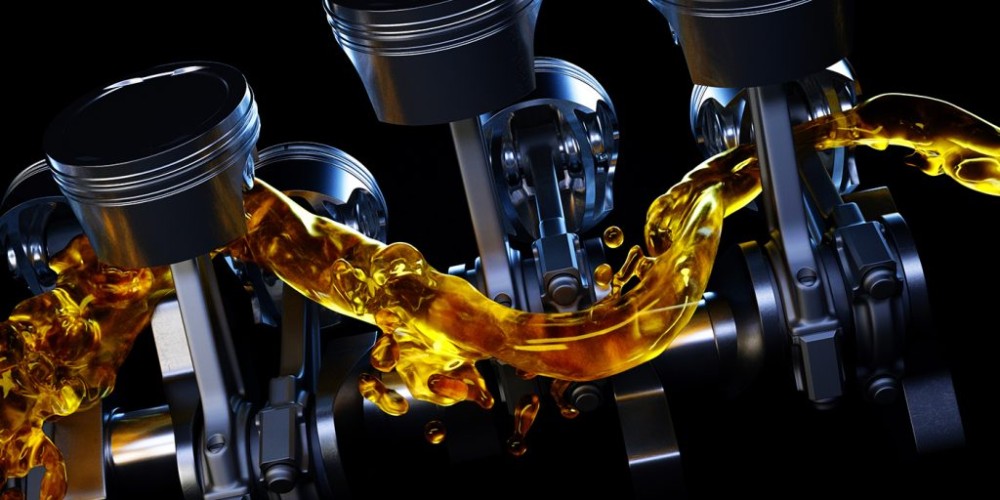
For everyday driving, though? Oil evaporation is almost never the real issue — unless the oil is low-quality. Modern motor oils are designed to resist burning off, and good brands have low “volatility,” meaning they’re made specifically not to evaporate.
So if the dipstick keeps dropping between oil changes, the problem is usually somewhere else.
If the oil level keeps falling, look for leaks — not evaporation
Most “oil loss” comes from worn-out seals, aging gaskets, or tired piston rings. When these parts can’t keep oil inside the engine, it sneaks out:
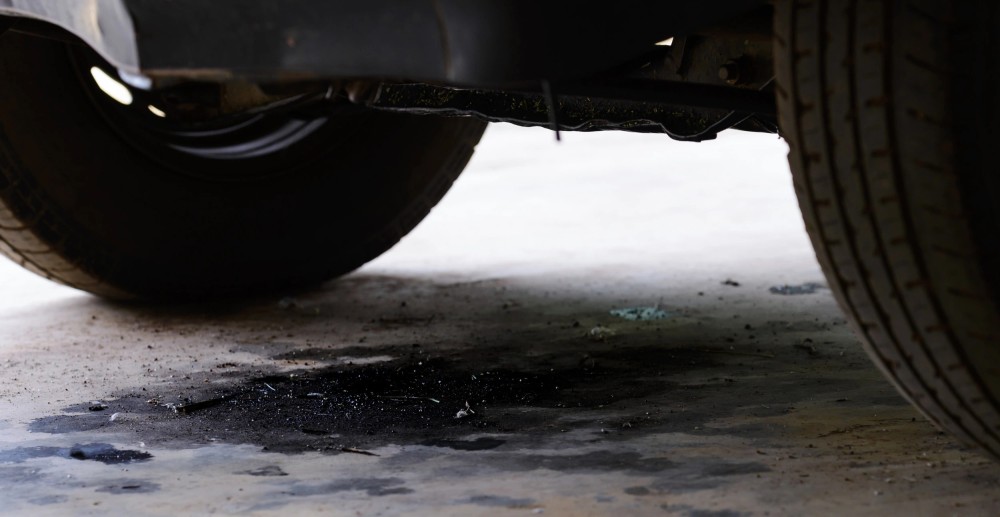
onto the ground
onto hot engine parts (you might smell burning oil)
or into the combustion chamber, where it burns with the fuel
Evaporation rarely causes a noticeable drop. A mechanical issue almost always does.
How to figure out what’s going on
For most cars, finding the culprit starts with the basics:
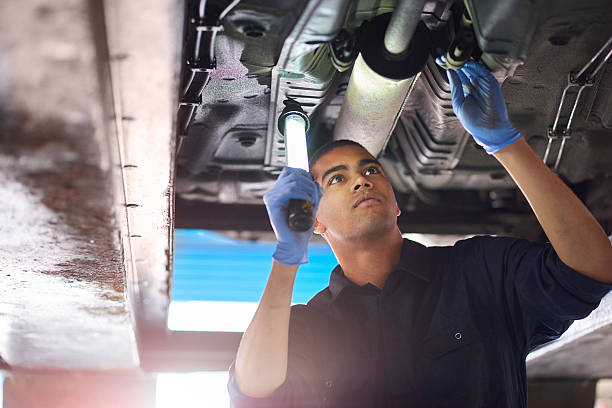
Look under the car for fresh oil spots.
Check for drips around the engine.
Slip a piece of cardboard under the car overnight and check it in the morning.
If nothing shows up outside, the engine might be burning oil internally — either because the car naturally consumes more oil than most, or because something bigger is wearing out. Replacing a simple gasket isn’t a big deal, but worn piston rings require major engine work.
The bottom line
Unless someone drives hard in brutal heat, engine oil isn’t going to just “evaporate.” Noticeable oil loss almost always means a leak or a mechanical issue. Using the right oil, changing it on schedule, and checking levels regularly will prevent most problems long before they become expensive ones.