
Direct Injection & Carbon Buildup: How to Prevent Costly Engine Gunk
by AutoExpert | 17 June, 2025
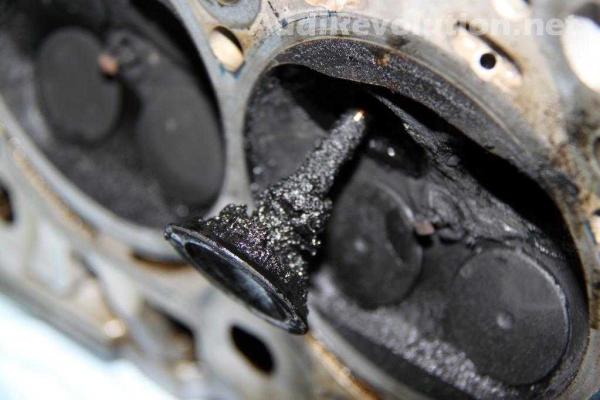
Car makers got all fancy with direct injection to squeeze out better gas mileage, but nobody mentioned the nasty side effect: carbon buildup. Basically, your engine starts growing this disgusting black crud on the intake valves, kind of like tartar on teeth but way more expensive to fix.
This crap accumulates over time and gradually chokes your engine to death. First you'll notice the car feels sluggish, then gas mileage goes to hell, and eventually you're looking at misfires and check engine lights. Fun times.

How to Keep the Crud Away
Oil Catch Cans Are Your Friend
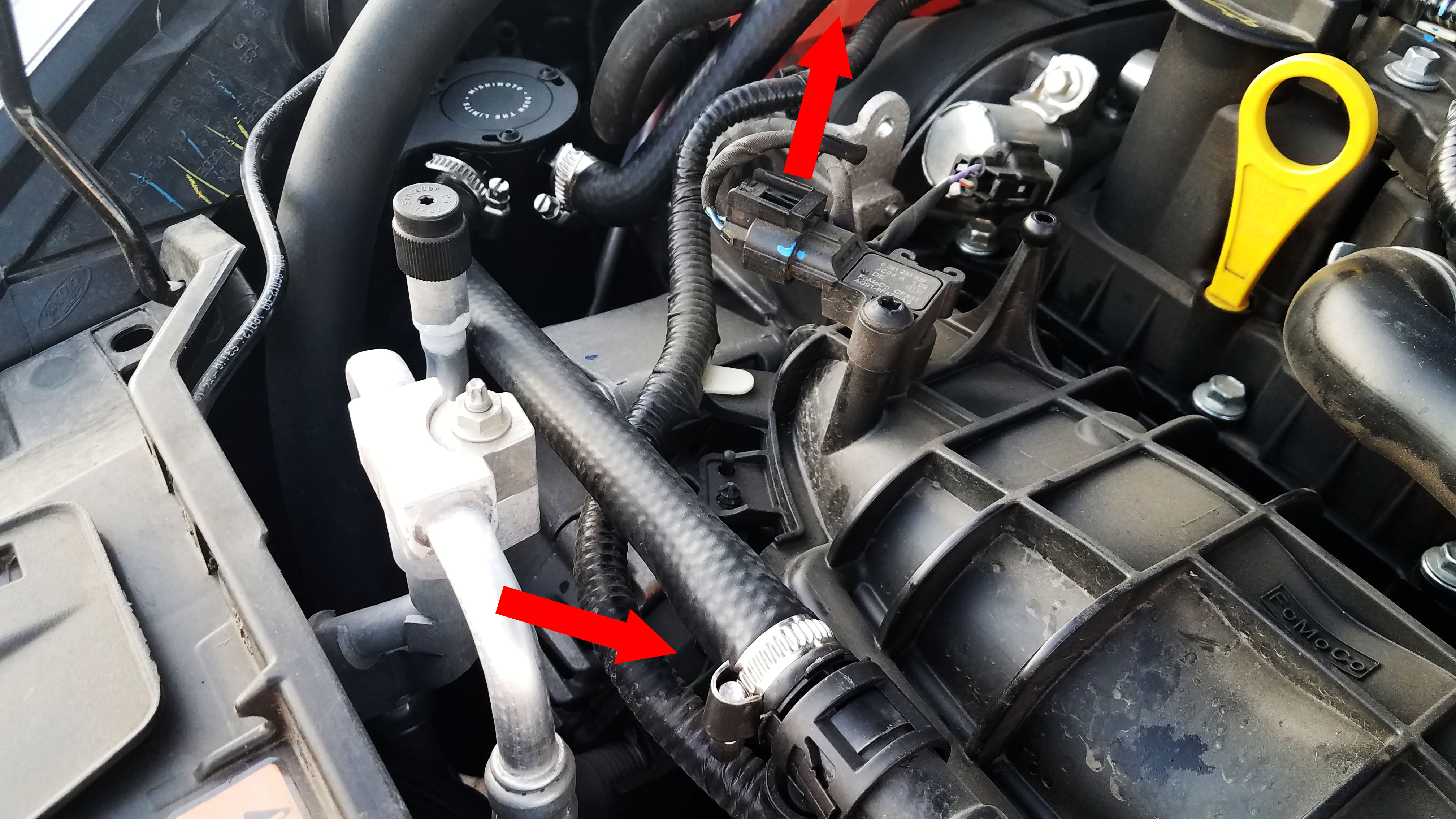
Turbo engines especially love to blow oily vapor around where it doesn't belong, creating more gunk. An oil catch can basically intercepts this nasty stuff before it can circulate back and cause problems. The decent ones let you drain them out periodically instead of just throwing them away.
Fuel Additives Actually Work
Direct injection engines are picky about clean fuel injectors since they're spraying at insane pressures. Tossing some injector cleaner in the tank every so often keeps things flowing smoothly. Just don't grab whatever's cheapest - get stuff specifically made for direct injection engines.

Good Gas Isn't Just Marketing BS
Shell, Mobil, Chevron - yeah, they cost more, but their gas has way better cleaning agents than the no-name stations. The cheap stuff meets bare minimum standards while the good stuff actually fights carbon deposits. Think of it as expensive insurance that might prevent a massive repair bill later.

When It's Already Too Late
If the buildup's already there, fixing it gets messy:
Walnut Blasting sounds ridiculous but it works - they literally sandblast your intake with ground-up walnut shells. Problem is your engine usually has to come out, so kiss a few grand goodbye.
Chemical Cleaning is more DIY-friendly but still requires tearing into the engine. You pour harsh chemicals into the intake, let them dissolve the carbon, then scrape everything out like the world's worst dental appointment.

Either way, screw up the valve timing during this process and you've just turned routine maintenance into a complete engine rebuild.
Bottom line: preventing this mess is way cheaper than fixing it after the fact.