
Decoding Tire Speed Ratings: What That Letter Means for Your Car
by AutoExpert | 9 June, 2025
Most people glance at their tires and see a bunch of random numbers and letters. Turns out, that jumbled code actually tells a story – and one part of it could save someone's life.
The Speed Rating Mystery
That letter at the end of the tire code? It's called a speed rating, and it's basically the tire's report card for how fast it can go before things get sketchy. It's not telling anyone to floor it down the highway – it's more like the tire saying "this is my absolute limit, don't push it."
Here's the thing though: these ratings assume everything's perfect. Perfect tire pressure, perfect weather, perfect roads, perfect car maintenance. Real life? Not so perfect. So that rating is more of a best-case scenario.
Where to Look
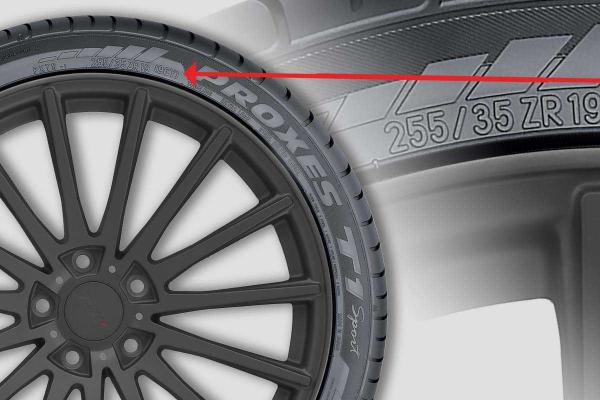
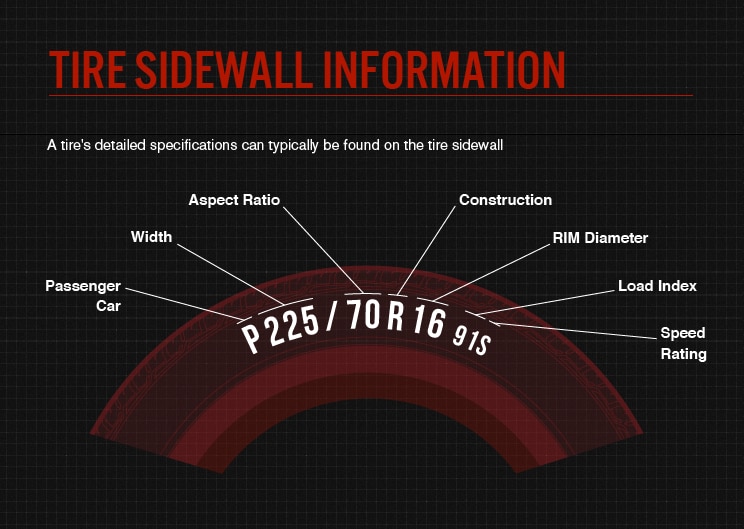
Finding the speed rating is pretty simple once someone knows where to look. Check the tire's sidewall for something like "205/60/R16 82S" – that last "S" is the magic letter.
Car manufacturers aren't shy about their recommendations either. They'll stick the info in the owner's manual, on a sticker inside the driver's door, or sometimes near the gas cap. The golden rule? All four tires should match what the manufacturer suggests.
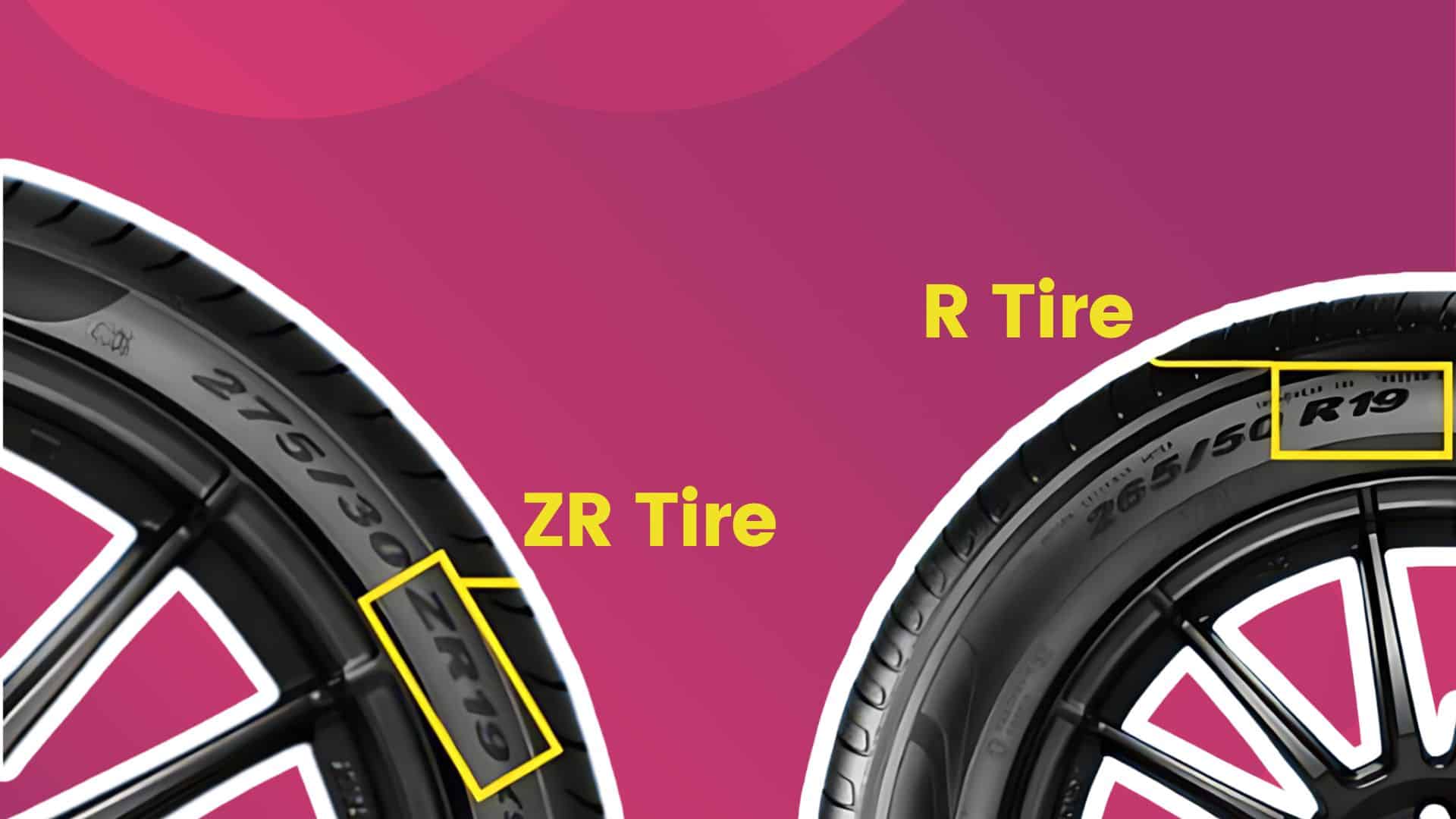
The Alphabet Soup System
The rating system runs from A to Z, and generally speaking, the further down the alphabet, the faster the tire can handle. But here's where it gets weird – whoever designed this system apparently had a few too many coffees.
Take the letter "H." Logic says it should come after "G," right? Nope, it sits between "U" and "V" like some kind of alphabetical rebel. Back in the day, "H" stood for "high performance," which explains why it's doing its own thing.
The Common Players
Most everyday drivers will bump into these ratings:
- T (118 mph) – The family car special. Minivans, sedans, the cars that haul kids to soccer practice.
- H (130 mph) – A step up for sportier rides. Think coupes and sedans with a bit more attitude.
- V (149 mph) – Used to be the top dog until faster tires came along. Still plenty quick for most people.
- W (168 mph) – The newer kid on the block for serious performance cars.
- Z (149+ mph) – The wild card. Shows up on sports cars and can mean different things depending on the tire.

Reality Check
Here's the deal – those lab tests that determine ratings? They're done in perfect conditions that don't exist in the real world. Worn tires, low air pressure, bad alignment, rough roads, or even just driving for hours can all mess with performance.
And obviously, having a tire rated for 130 mph doesn't mean someone should actually drive 130 mph. Speed limits and common sense still apply. The rating is more about having a safety buffer for regular driving situations.
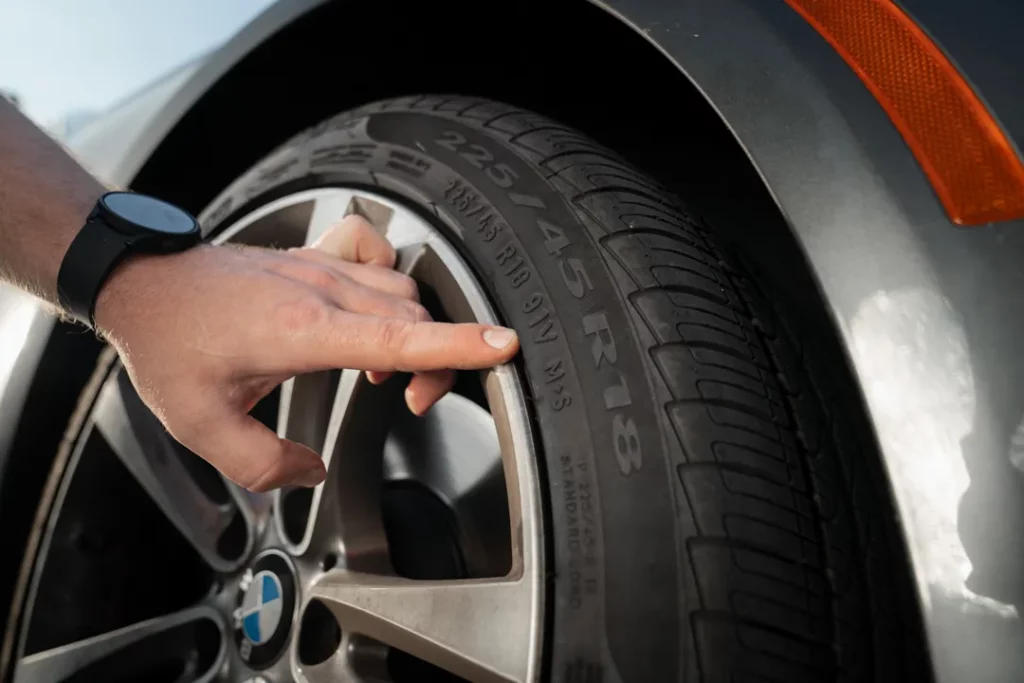
The whole point is making sure the tires can handle whatever gets thrown at them during normal (and occasionally not-so-normal) driving. It's one of those boring car things that actually matters more than most people realize.