
Decoding the Mileage Mystery: Is High-Mileage Always Bad for Used Cars?
by AutoExpert | 31 March, 2025
When you're in the market for a used car, that odometer reading can seem like the make-or-break factor. After all, lower miles means a better car, right? Well, not so fast. With used car prices hitting record highs these days, it might be worth considering whether a higher-mileage vehicle actually makes more sense for your budget.
But this raises all sorts of questions: Is buying a high-mileage car actually a good idea? How old is too old for a used car? And is that whole "lower miles equals better car" thing really a hard rule to live by? The truth is, it's complicated – and there are plenty of exceptions that aren't immediately obvious.

So how many miles should a used car have, anyway? Let's break it down:
Used vs. Abused: Maintenance Matters More Than You Think
Every car on the road gets driven, but there's a world of difference between used and abused. Some owners are absolutely fanatical about their vehicles – they'll keep every single receipt from oil changes to gas fill-ups to car washes. Others won't even think about maintenance until warning lights start flashing on the dashboard.
Most people fall somewhere in between these extremes. But here's the thing: when you're choosing between two similar cars with different mileage, you should pick the better-maintained car over the lower-mileage one. Of course, there's a limit – a car with 30,000 miles is obviously going to be better than one with 300,000 miles. But if the mileage difference is only 10,000 or 20,000 miles, wouldn't you rather have the higher-mileage car that's been pampered over the lower-mileage one that's been neglected?

The best way to check a car's maintenance history is through actual service receipts or repair logs. Don't worry if these aren't available – it's pretty common. A Carfax or Autocheck vehicle history report will show any known service records and, crucially, flag any previous accidents (which you should avoid regardless of mileage). Many listings include free access to these reports, plus their free VIN check tool provides pricing analysis, listing history, and projected depreciation.
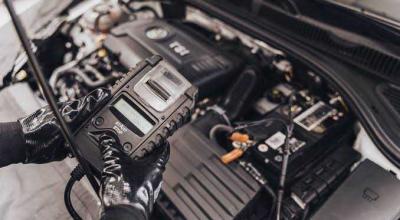
Don't underestimate the value of a simple under-the-hood inspection, either. Dark, sludgy oil on the dipstick? That's overdue for a change. Cracked belts and hoses? Those should have been replaced already. Murky coolant? That's concerning too. All these are red flags pointing to poor maintenance and excessive wear and tear – which means potential headaches down the road.

The Curious Case of the Barely-Driven Car
On the flip side, sometimes you'll find cars that have barely been driven at all – they've spent most of their lives gathering dust in someone's garage. When these cars eventually hit the market, the seller will likely try to get top dollar because of the unusually low mileage.
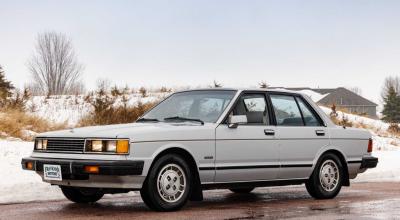
At first glance, this seems like it might be worth the premium. After all, how often do you find an almost-new example of an old, discontinued model? For loyal fans of certain vehicles – think Town Car enthusiasts or diesel truck lovers – such a find can seem like striking gold.
But there's a catch. When cars sit for extended periods, certain parts break down regardless of mileage. Rubber components like seals and gaskets are prime examples – after enough time, these flexible parts become brittle and fail even if they haven't seen much use. It's not uncommon for an unusually low-mileage car to develop leaks after suddenly being pressed into daily service.

Ironically, if the car had been driven regularly, this might not have happened. The normal heating and cooling cycles when an engine runs, along with the light lubrication from fluids, can actually extend the life of these rubber components.
This issue only applies to older cars with very low mileage – think a ten-year-old car with less than 30,000 miles. These are rare finds and might still be worth buying if you're passionate about a specific model, but be prepared for potentially costly fixes hiding in an underused vehicle.
Too Many Miles, Too Fast
You should also be cautious about newer cars that have racked up miles way beyond the national yearly average of 12,000-15,000. Any car accumulating mileage that quickly means the driver spent serious time behind the wheel. Inevitably, high annual mileage means more maintenance will be needed sooner.

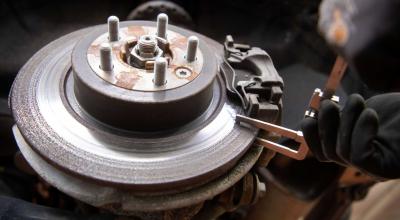
While you might get a high-mileage car for a better price, remember that you're that much closer to major service intervals for things like timing belts, cooling systems, and brake pads. These services aren't cheap – and they're expenses you could postpone by buying a lower-mileage car instead.
The Age Question: How Old is Too Old?
Remember that average annual mileage of 12,000-15,000 miles? That means a typical five-year-old car probably has about 60,000-75,000 miles on it, while a ten-year-old car likely shows 120,000-150,000 miles.
Eventually, all cars reach a point where unexpected repairs start happening more frequently. There's no exact age or mileage when this kicks in, but it often happens when cars are around 8-10 years old and have 100,000-120,000 miles on the clock. It's inevitable – engineers can't build cars to last forever. If there's a certain threshold to be wary of, it's the decade-old car already showing six figures on the odometer.
While mileage and age are closely linked, there's no one-size-fits-all answer for what makes a "good" age for a used car. Generally, you want the newest car you can afford. But the usual considerations still apply – a well-maintained car that's a year or two older than your target but has never been in an accident is a better buy than a newer car with accident history or poor maintenance. Overall condition trumps everything else.
All Miles Are Not Created Equal
Another factor worth considering: what kind of miles has the car accumulated? A car sold new in New York City will have a much rougher life than one sold in rural Arizona. The New York car will constantly battle potholes and stop-and-go traffic, while the Arizona car will enjoy smooth desert highways.
Ironically, the rural car will probably rack up more miles than its city counterpart. But those are "good miles" – accumulated under less stressful conditions. This is why sellers love to advertise "highway miles" – open roads with no turns or stoplights are the least stressful scenario for a vehicle (though they do add mileage quickly).
City cars that aren't taxis or rideshare vehicles will likely accumulate far fewer than 12,000 miles annually. But they'll wear out faster due to the harsh nature of urban driving compared to cars that mostly see highway use.

The Bottom Line
Mileage is just one important factor among many when buying a used car. Ideally, you want the lowest-mileage car you can find that's been regularly maintained, never been in an accident, and used regularly. Sometimes that means passing up the car with the lowest miles. That's okay – more miles won't necessarily kill a car, but neglect definitely will.
Shop smart, buy the nicest car you can find within your budget, and you'll enjoy many thousands of miles of happy driving.