Damaged Car Trade-In: Fix It or Sell As-Is?
by AutoExpert | 29 July, 2025
Picture this: there's a car in someone's driveway that looks like it lost a fight with a shopping cart. Or maybe it had an unfortunate encounter with a deer. Whatever happened, it's got some battle scars, and now its owner is eyeing something newer and shinier at the dealership.
The million-dollar question? Fix it up first, or just show up with all the dents and dings intact?
The "Take It As-Is" Route
Look, there's something beautifully simple about just saying "screw it" and driving straight to the dealer. No appointments with body shops, no haggling with insurance companies, no waiting weeks for parts to come in. Just walk in, toss the keys on the desk, and walk out with something that doesn't make weird noises when it rains.
But here's where reality kicks in the teeth. Dealers aren't exactly known for their generosity, especially when a car looks like it's been through a blender. The used car market has cooled off big time since those crazy pandemic days, and wholesale prices are in the toilet. A damaged car? That's like showing up to a poker game with monopoly money.
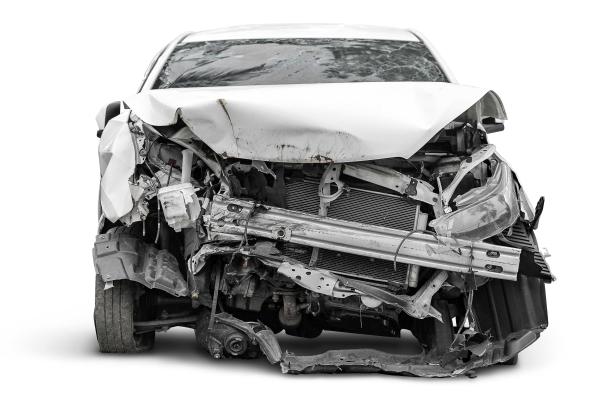
Some damage is worse than others, obviously. A few scratches here and there? Whatever. But when the frame is bent or there's structural damage, that's when dealers start backing away slowly. Frame repairs can cost more than some people's cars are worth - we're talking ten grand or more sometimes. At that point, some dealers won't even bother.
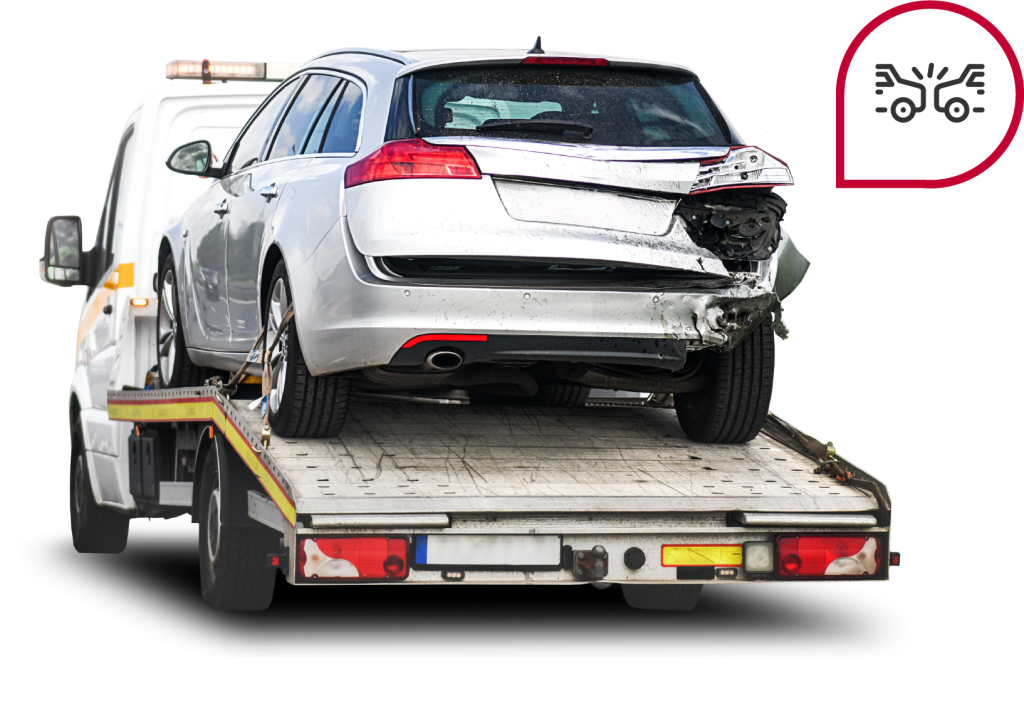
And don't get started on what happens when someone still owes money on their busted ride. Being underwater on a car loan sucks enough without adding body damage to the mix. All that negative equity just rolls right into the next loan like a snowball from hell.
Getting It Fixed Up
On the flip side, showing up with a car that actually looks presentable is obviously going to open more wallets. The question is whether it's worth the headache.
If insurance is picking up the tab, it's pretty much a no-brainer. Pay the deductible and let them deal with it. Just know that filing a claim might jack up those monthly premiums down the road.
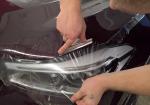
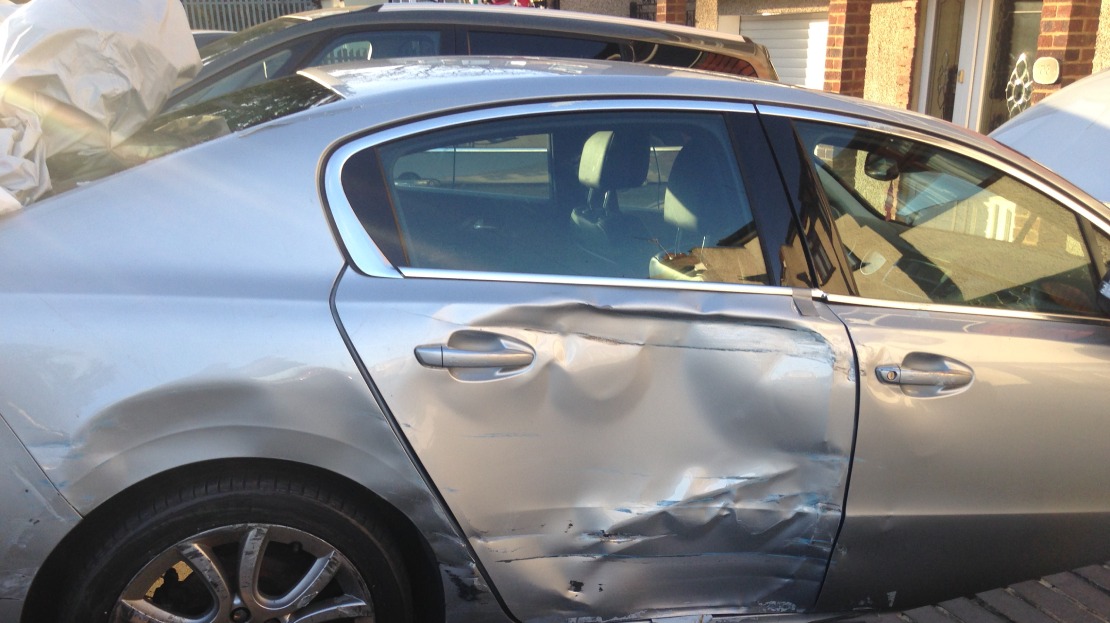
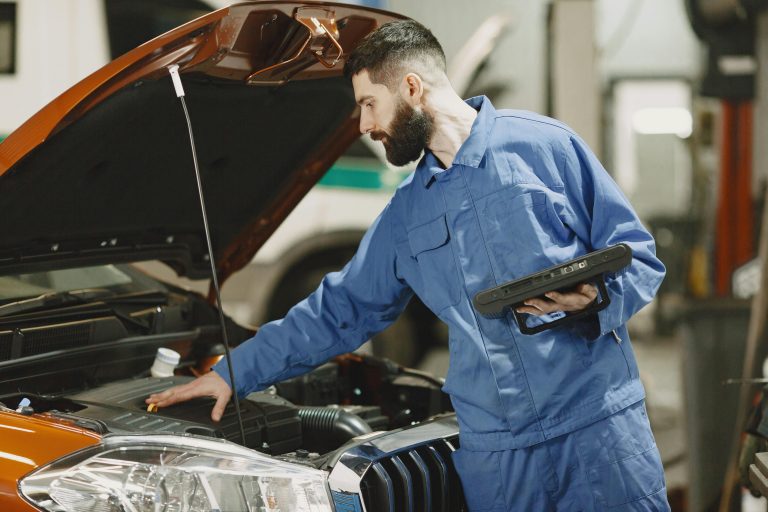
For smaller stuff, paying cash might make more sense. But body shops aren't cheap - they're charging around 150 bucks an hour these days. Even fixing a "small" dent can get expensive fast. Smart move is getting quotes from a few different places because prices can vary wildly.

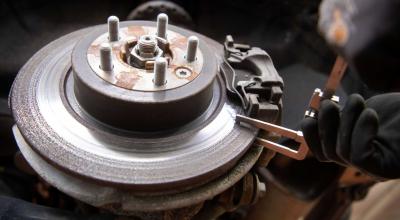
Some people are getting crafty and fixing things themselves. YouTube has basically turned everyone into amateur mechanics, and you can get parts delivered to your door faster than pizza. Auto parts stores will even rent tools, so there's no need to buy a whole toolbox for one job.
Not All Cars Are Equal
Here's something most people don't think about: the kind of car matters a lot. Trucks and SUVs are still king of the road, making up three-quarters of what people are buying these days. A beat-up pickup truck might still have some life in it value-wise. A dinged-up compact car that nobody wanted in the first place? Good luck with that.
Market demand is everything. A popular model might survive some cosmetic damage better than something that's already sitting on lots gathering dust. It's like trying to sell a scratched iPhone versus a scratched flip phone - one's got a lot more wiggle room than the other.
One industry guy put it perfectly: accident-damaged cars definitely lose value, but there's no crystal ball for figuring out exactly how much. It depends on how bad the damage was, how well it got fixed, and whether anyone actually wants that particular car in the first place.
The Real Talk
At the end of the day, it comes down to simple math and how much hassle someone wants to deal with. Some people just want their problem car gone and are willing to take the financial hit. Others figure it's worth throwing some money at repairs to squeeze out a few more bucks on the trade.
Either way, nobody should walk into a dealership expecting miracles. That damaged car isn't going to command top dollar no matter how much sweet-talking happens across the desk. The key is knowing what to expect and being okay with it.