
Counterfeit Tires: How to Spot Fakes and Why They Are a Major Safety Hazard
by AutoExpert | 27 November, 2025
Scroll through Facebook Marketplace long enough and you’ll eventually see it: a “brand-new” set of Michelin tires for $40, sold by someone whose only other listing is a random Pokémon card. Tempting? Sure. But tires are the only thing keeping your car attached to the road — and fakes are a real problem.
Real tires go through strict testing and have to meet federal safety standards. That’s why every legit tire comes with clean, consistent markings: a DOT code, size, load rating, speed rating, and other details stamped exactly where they should be.
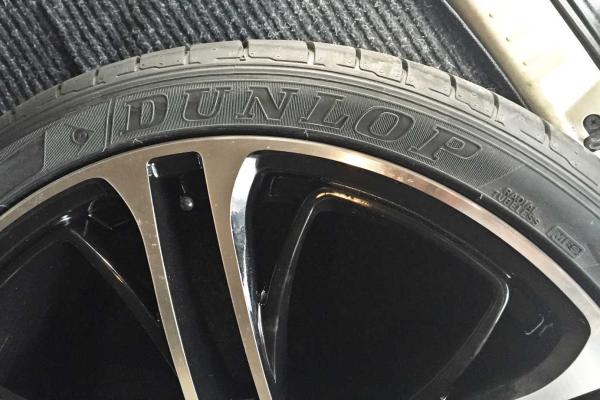
Counterfeit tires usually give themselves away long before you mount them. Think sloppy lettering, odd tread patterns, uneven rubber, misspelled brand names, or DOT codes that look… improvised. Some fakes skip the tire identification number (TIN) entirely — or they tamper with the last four digits, which show the week and year the tire was made.
If the sidewall looks “off,” trust your gut.
Why counterfeit tires exist (and why they’re showing up everywhere)
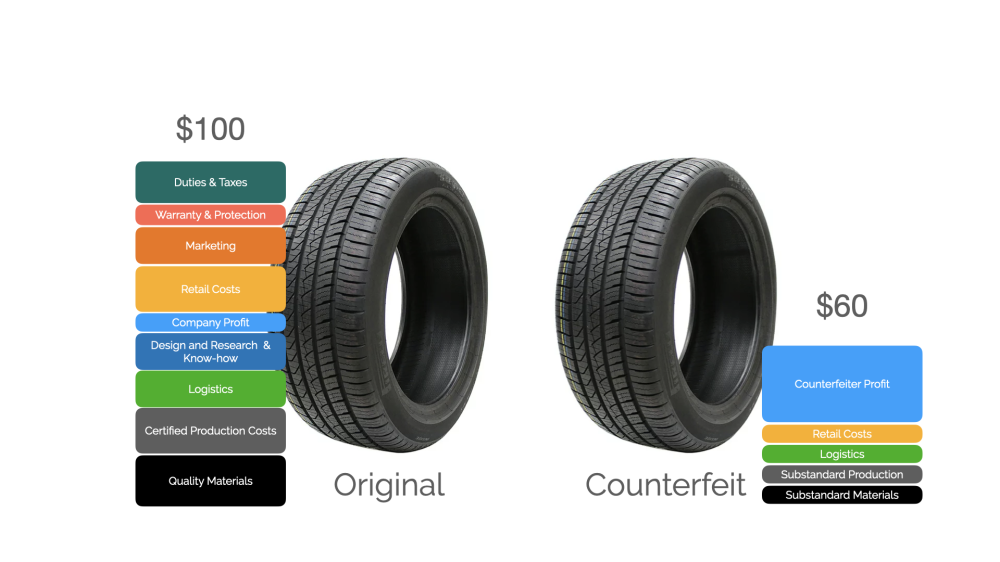
Fake tires aren’t bargain versions — they’re knockoffs made with cheap materials and zero quality control. They’re built to look real long enough to make a sale, usually online where oversight is thin.
The danger is obvious: blowouts, premature failure, terrible grip, and crashes. And the buyer is left with no warranty, no recourse, and an unsafe car.
Counterfeiting across all industries is massive — estimated at more than $460 billion in global trade losses. Tire makers spend millions on engineering and safety testing; counterfeiters spend nothing and pocket the profit. Local retailers lose out, too, because shoppers chase “deals” that are too good to be real.
Bottom line: fake tires cut every corner possible, and your safety is the final corner they cut.
How to make sure your tires are real
The easiest way to protect yourself is knowing what real tires always have — and what fakes never get right.
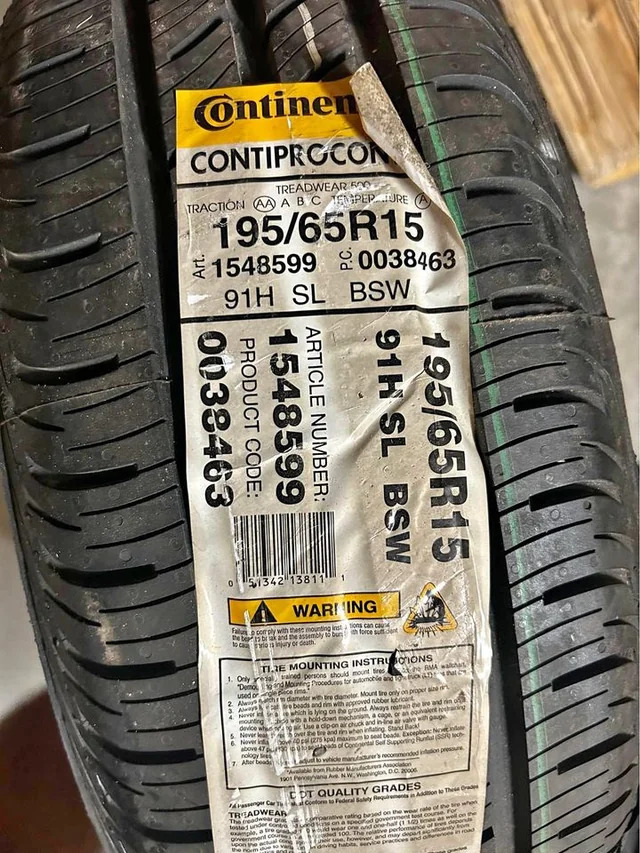
1. Check for a DOT code.
Every tire legally sold in the U.S. must have it. The last four digits show when it was manufactured. Missing? Sloppy? Tampered with? Walk away.
2. Look at the branding.
Logos should be sharp and consistent. The tread pattern should match the official design, not a weird “close enough” version.
3. Check the details.
Load rating, speed rating, UTQG numbers, and other markings should be clean and correctly placed. Fakes often skip these or print them wrong.
4. Buy from real sellers.
Licensed retailers, major tire shops, or the manufacturer’s recommended dealers. They have return policies — counterfeiters don’t.
5. Be skeptical of miracle pricing.
A set of premium tires won’t suddenly cost $40 unless someone made them in a basement. If the deal looks impossible, it probably is.
If you’re still unsure, inspect the tire in person and ask for proof of authenticity. Real tires have documentation. Fake ones have excuses.
Real tires are expensive. Counterfeit tires are dangerous. Only one of those is worth saving money on — and it’s not the second.