
Carbon Buildup in Modern Engines: Prevention & Removal
by AutoExpert | 8 July, 2025
Modern cars are pretty amazing, but they've got this one annoying problem that older cars didn't really deal with. It's called carbon buildup, and it's basically your engine slowly getting clogged up with black, gunky crud.
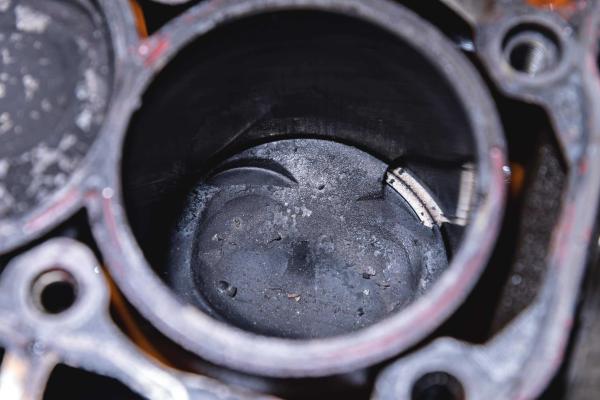
Here's the deal: most newer cars use direct injection to squeeze every drop of efficiency out of their fuel. It works great, but there's a catch – over time, carbon deposits start building up on the intake valves like plaque on teeth. And just like with teeth, ignoring it leads to expensive problems.

When carbon buildup gets bad, engines start acting cranky. They lose power, guzzle more gas, throw check engine lights, and sometimes even start misfiring. Nobody wants that headache.
Stop It Before It Starts
The good news? There are some pretty straightforward ways to prevent this mess from happening in the first place.
Get an Oil Catch Can
This little device is like a filter for all the nasty oil vapors that would otherwise end up coating the intake valves. It's especially helpful if the car is turbocharged, since turbos tend to make the whole blow-by situation worse. A decent catch can just sits there doing its job, collecting all that gunk so it doesn't end up where it shouldn't be.

Use Fuel Additives
Those direct injection systems are finicky about staying clean. Fuel additives designed specifically for direct injection engines can help keep the injectors from getting clogged up with carbon. It's like taking vitamins for the fuel system – a little prevention goes a long way.

Spring for the Good Gas
Yeah, top-tier gas costs more at the pump, but it's actually worth it. The fancy detergents in brand-name gas help prevent carbon buildup, and some studies even suggest it can help clean existing deposits. When the alternative is thousands in engine repairs, paying an extra few cents per gallon starts looking pretty smart.

When Prevention Wasn't Enough
If carbon buildup has already taken hold, there are ways to deal with it, though they're not exactly weekend DIY projects.
Walnut Blasting
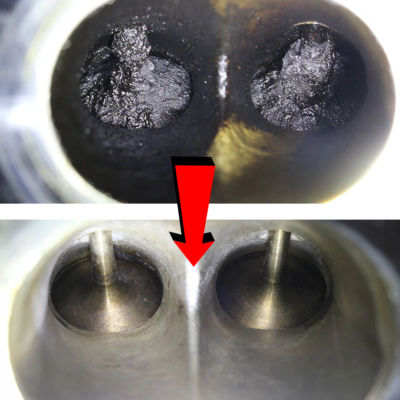
This sounds weird, but it's actually a thing. Mechanics basically sandblast the intake with crushed walnut shells to strip away all that baked-on carbon. It works really well, but it's expensive and time-consuming since they usually have to pull the engine apart to do it right.
Chemical Stripping
The more DIY-friendly option involves pouring special chemicals into the intake and letting them soak to dissolve the carbon deposits. Then comes the fun part – scraping everything off by hand. It's tedious work, but it's doable for someone with decent mechanical skills and a lot of patience.
The Bottom Line
Carbon buildup is just one of those things that comes with modern engine technology. The key is staying ahead of it with regular maintenance and good habits. A little prevention now beats a massive repair bill later, and honestly, most of these preventive measures are pretty painless.
For anyone driving a direct injection car – which is most people these days – it's worth paying attention to this stuff. The engine will run better, last longer, and cause fewer headaches down the road.