
Car Brake Pads: Warning Signs & When to Replace Them
by AutoExpert | 5 June, 2025
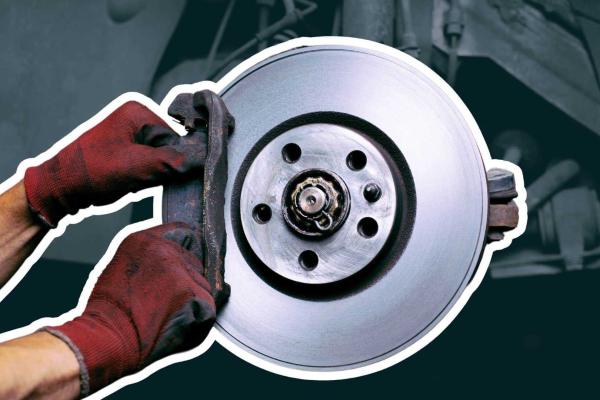
Brake pads might not be the most exciting car part, but they're definitely one of the most important. These little friction fighters sit between the brake shoe and drum, doing the dirty work every time someone hits the brakes. When they wear out, things get expensive fast—and potentially dangerous.
What Actually Happens Down There
Every time brakes get pressed, tiny bits of the brake pad wear away. It's just physics—all that friction has to go somewhere. Whether they're ceramic, organic, or metallic, brake pads gradually get thinner until they can't do their job anymore.
The Warning Signs
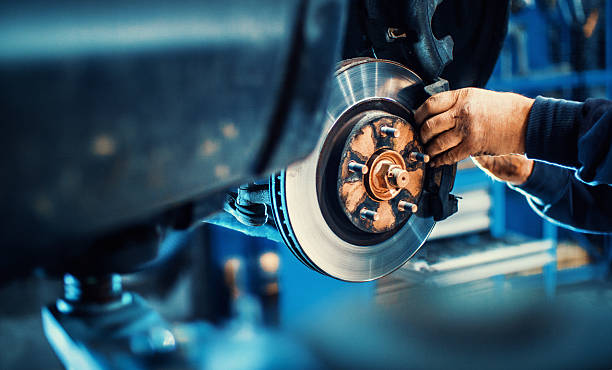
Most cars start complaining before things get serious. Here's what to listen for:
Squealing and Screeching
That annoying screech when braking? It's actually a built-in alarm system. There's a little metal indicator designed to make that exact sound when pads get thin. If it happens regularly, not just after rain or sitting overnight, it's time for a brake shop visit.

The Quarter-Inch Rule
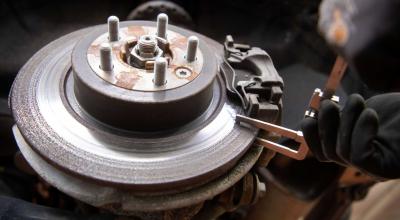
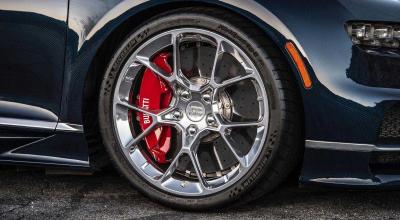
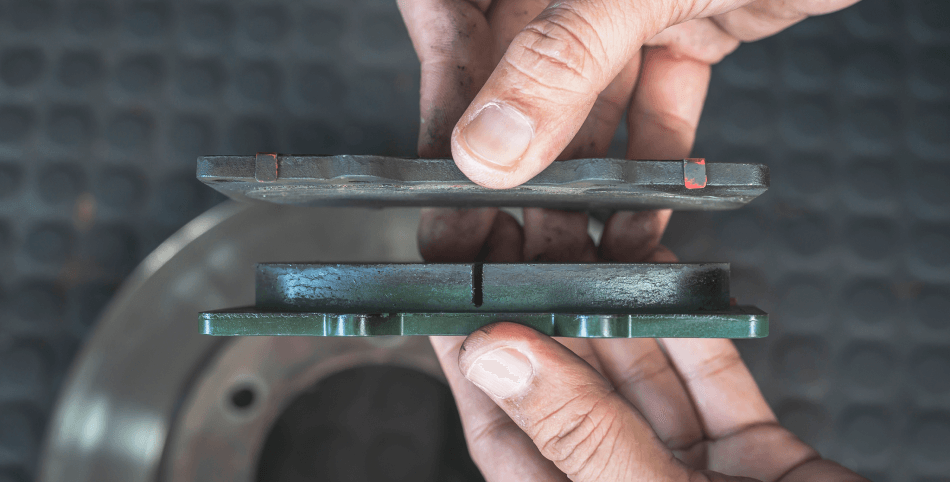
For the hands-on types, brake pads can be checked visually. Look through the wheel spokes at the pad pressed against the rotor. If it's less than a quarter-inch thick (about 3mm), it's getting close to replacement time.
Metal-on-Metal Grinding
This is the sound nobody wants to hear—a deep, grinding growl that means the pads are gone and metal parts are scraping together. When this happens, the damage starts multiplying fast, so it's straight to the mechanic time.
Dashboard Warnings
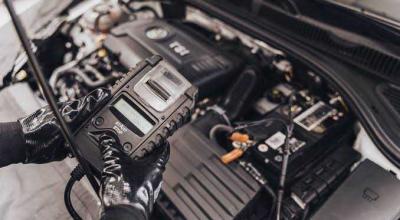
Some newer vehicles have brake pad warning lights. When they come on, both the pads and the sensor system usually need attention.
How Long Do They Last?
The standard answer is somewhere between 30,000 and 35,000 miles, but real life is messier than that. City drivers who deal with stop-and-go traffic burn through pads way faster than highway cruisers. Some people are heavy on the brakes, others barely touch them. Driving style makes a huge difference.

The good news? Brake pads give plenty of warning before they completely give up. Pay attention to what the car is trying to say, and expensive repairs can usually be avoided.