
Car Battery Swap: Why Disconnecting Negative First is Crucial
by AutoExpert | 9 July, 2025
Changing a car battery seems pretty straightforward until things go sideways. Sparks start flying, the radio forgets all its settings, and the car acts like it's having an identity crisis. Most people mess up one simple step: they don't know which terminal to disconnect first.
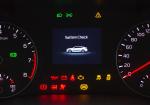
Getting this wrong isn't just annoying - it can wipe out the car's computer memory, make the engine run rough, or trigger that dreaded check engine light.
The Golden Rule: Black First
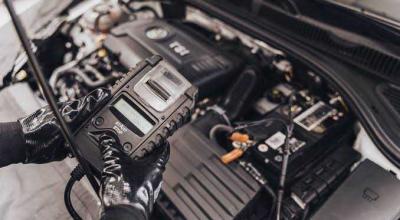
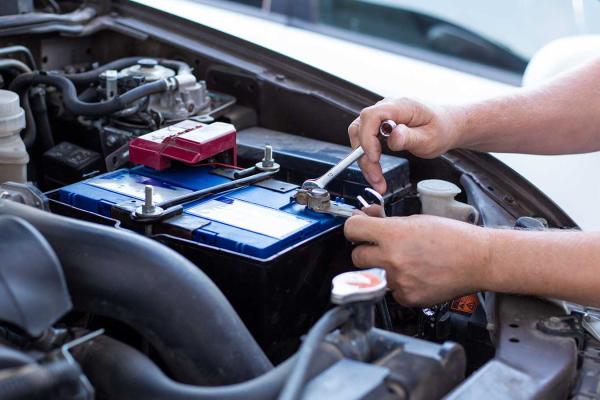
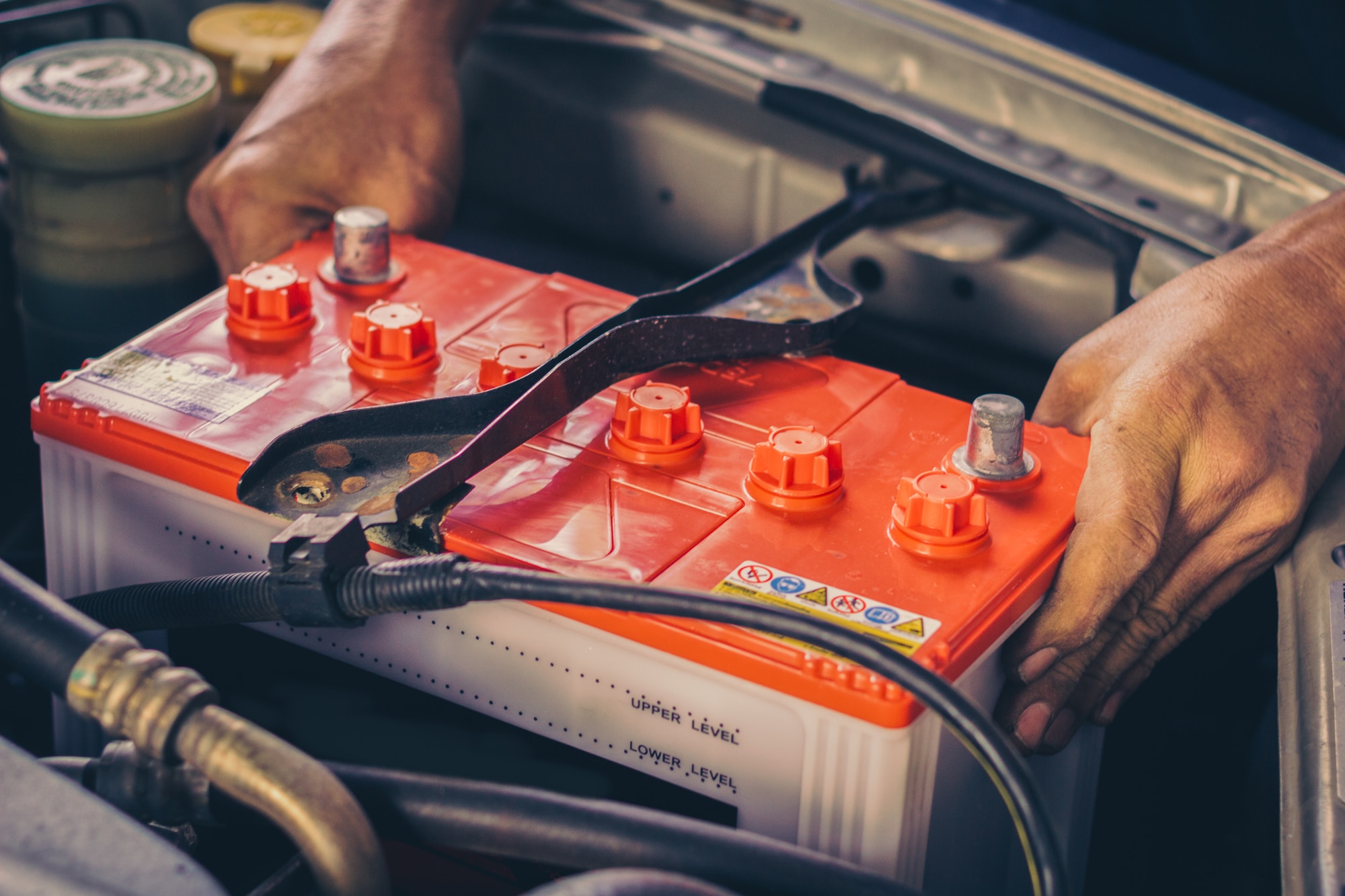
Always disconnect the negative terminal first. Look for the black wire with the "—" symbol. But before touching anything, turn off the car, grab some gloves (battery corrosion isn't picky about beginners), and get an 8-10mm wrench ready.
Pro tip: Want to keep radio presets and seat settings? Use a memory saver. Otherwise, get ready to set the clock like it's 1995.

Why Negative First Actually Matters
The negative terminal connects to the car's entire metal frame. Removing it first kills the electrical circuit completely. If the wrench slips while working on the positive side later, nothing bad happens.
Do it backwards? Touch that wrench to any metal part while the positive terminal is loose, and boom - instant short circuit. That means blown fuses, fried electronics, or worse, a fire.
It's basic physics. Electricity needs a complete path to flow. Remove the ground connection first, and that path gets broken. When installing the new battery, just reverse everything - positive first, then negative.
What Goes Wrong When You Mess Up
Disconnecting the positive terminal while the negative is still connected is like playing Russian roulette with the car's electronics. One wrong move with that wrench against the car body sends a power surge through everything from the radio to the main computer.
Same deal when reconnecting - positive goes on first. Connect negative first instead, and at best there'll be some impressive sparks and maybe a blown fuse. At worst, the entire electrical system gets toasted.
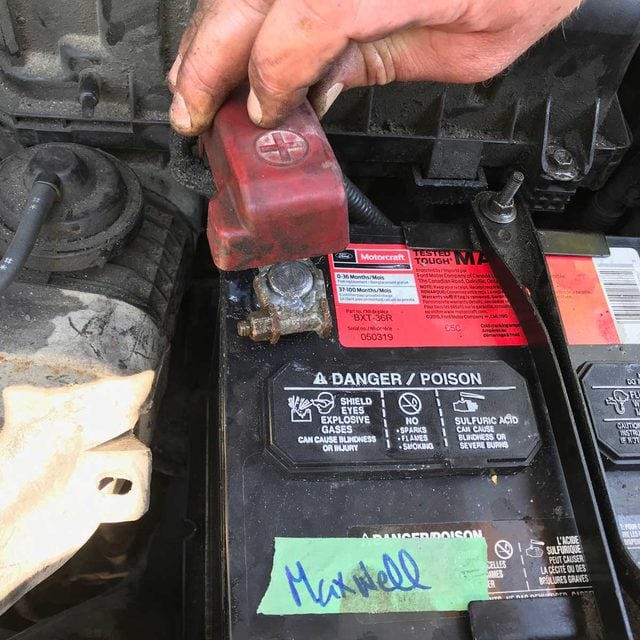
Before closing the hood, check for corrosion on the terminals, clean them if needed, and make sure the connections are tight. One mistake here can turn a simple battery swap into an expensive repair bill.