Car Alarms: Your Guide to Protecting Your Ride
by AutoExpert | 24 June, 2025
Car theft is one of those things that feels impossible until it happens to someone you know. Then suddenly everyone's talking about it at work, and you're eyeing your beat-up Honda wondering if anyone would even bother stealing it.
The truth is, car alarms are kind of like bike locks - they won't stop someone who really wants your stuff, but they'll definitely make them think twice about picking your car over the silent one next to it.
What's Out There
Walk into any car accessories store and you'll be bombarded with options. The sales guy will try to sell you everything, but most people just need something basic.
Active alarms are the classic setup - you hit a button, walk away, and if someone messes with your car, all hell breaks loose. Pretty straightforward, though you'll definitely forget to turn it on sometimes.
Passive alarms turn themselves on when you lock up and walk away. Great for people who can barely remember their own phone number, let alone arming a security system every single time.
Two-way systems are for people who like to stay informed. Your keychain will buzz if something's happening with your car, which sounds useful until you realize it's mostly going to buzz because of false alarms.
GPS tracking sounds impressive, but it's basically paying a monthly fee to maybe find your car after it's already gone. The police aren't exactly racing to recover stolen vehicles these days, even if you know exactly where it is.
Then there are all the specialty sensors - shock sensors that go off when someone bumps your car (great for parking lots), tilt sensors for when someone's trying to tow it, and glass break sensors that supposedly know the difference between breaking glass and a garbage truck. Spoiler alert: they don't always get it right.
How It All Works
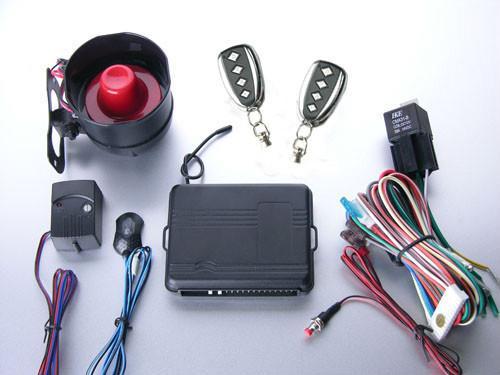
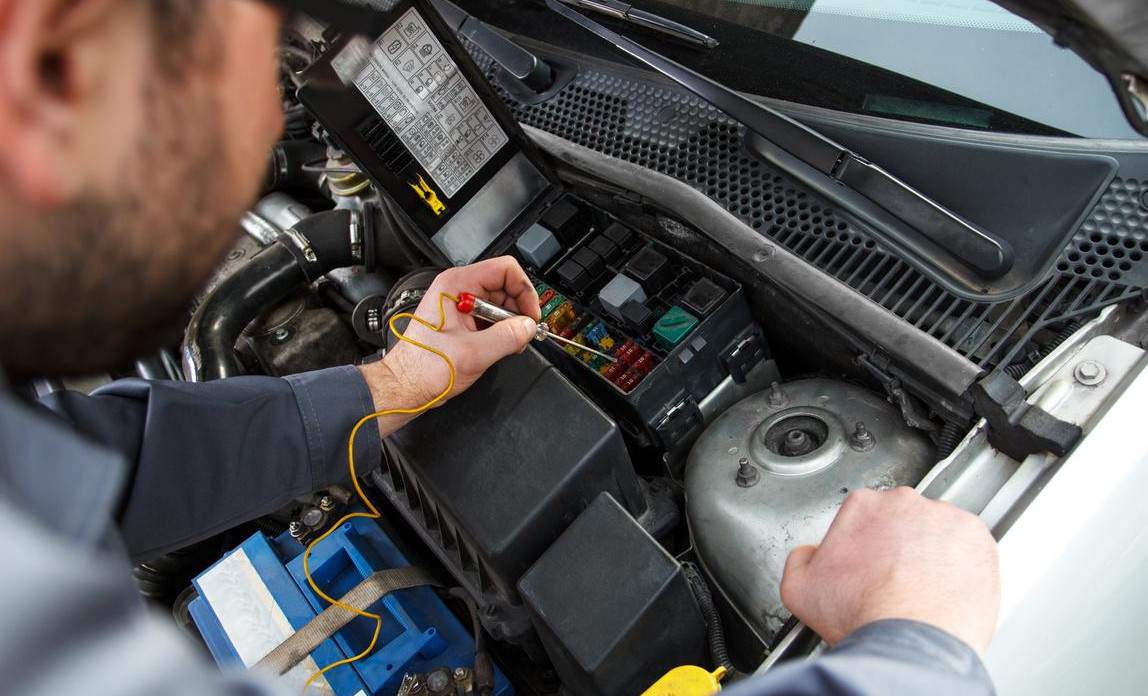
The whole thing runs on sensors tattling to a control box. Someone opens a door without the right key? Sensor snitches. Someone tries to break a window? Another sensor pipes up. The control box processes all this information and decides whether to wake up the entire neighborhood.
Newer systems can actually prevent the car from starting, which is clever until you're stranded because the system glitched and won't recognize your own key.
What You're Actually Getting
Most alarm systems throw a bunch of features at you and hope something sticks. Door sensors are standard - they know when someone's trying to get in. Motion sensors detect movement around the car, though they're not great at telling the difference between a thief and a curious dog.
The siren is the main event. It's designed to be annoying enough that thieves give up and neighbors call the cops. In reality, most people just assume it's another false alarm and keep walking.
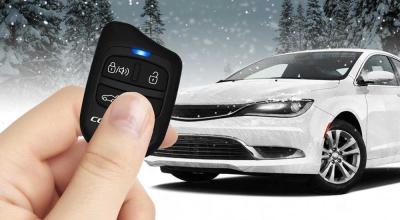
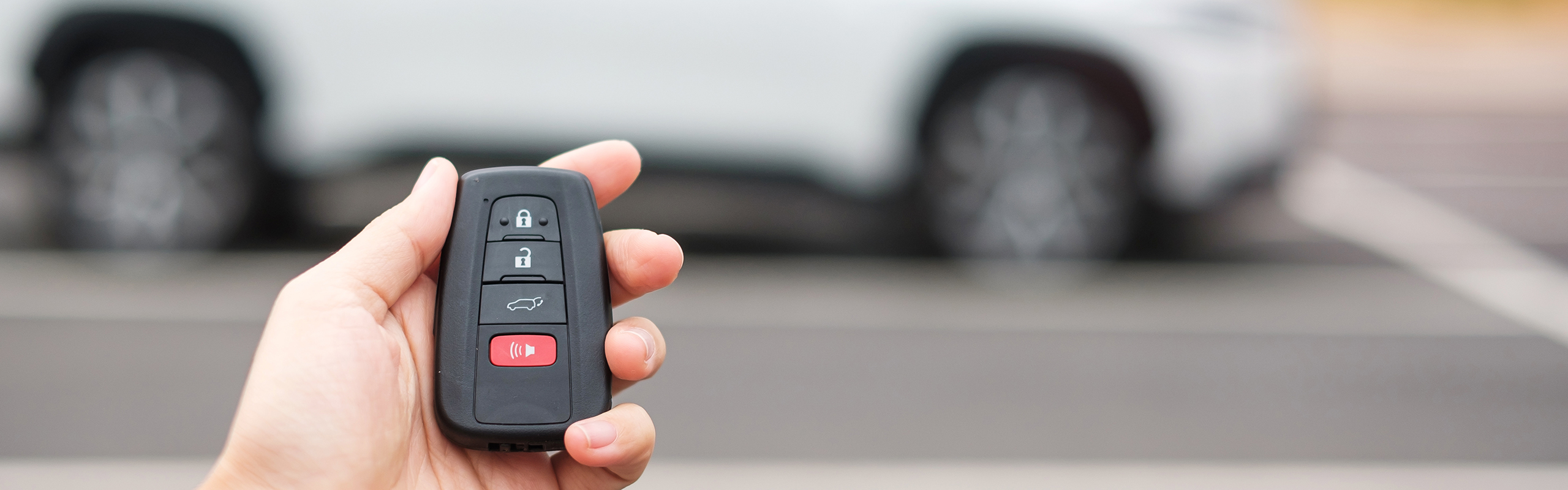
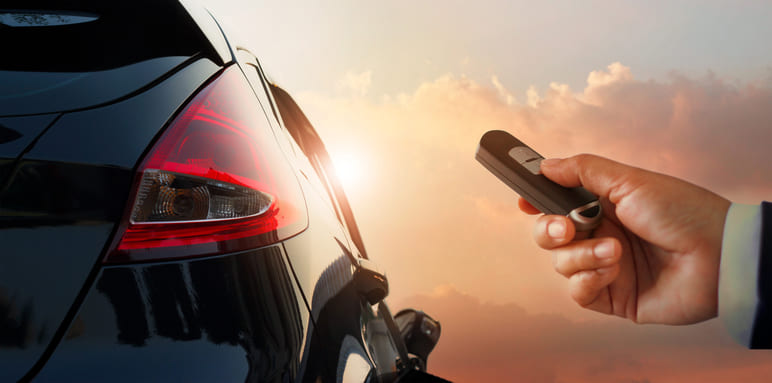
Remote controls have gotten fancier over the years. Basic ones just arm and disarm the system. Nicer ones tell you what's happening and let you start your car from inside the house on cold mornings.
Glass break sensors are hit or miss. They're supposed to recognize the specific frequency of breaking auto glass, but sometimes they get confused by construction noise or someone dropping their keys.
Why People Bother
Car thieves are usually looking for the easiest target. They want to get in and out quickly without drawing attention. A screaming alarm throws a wrench in that plan, even if it doesn't guarantee they'll give up.
It's also about protecting whatever's inside your car. Most people leave way more stuff in their cars than they should - laptops, purses, shopping bags. An alarm might save you from having to replace all that junk.
Some insurance companies offer discounts for having an alarm system, though don't expect it to make a huge dent in your premium. It's more like getting a dollar off your coffee for bringing your own cup.
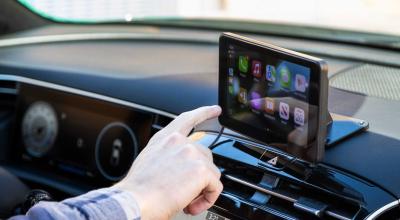
The newer smartphone-connected systems let you check on your car from anywhere, which either gives you peace of mind or turns you into someone who obsessively monitors their parked car. Your choice.

Actually Picking One
Choosing an alarm system is mostly about being honest with yourself. Are you someone who remembers to lock their car doors? If not, get a passive system that does it for you.
Think about where you park. Downtown in a busy area? You probably don't need the most sensitive system money can buy. Sketchy neighborhood or empty parking garages? Maybe invest in something with more features.
Range matters if you want to control the system from far away. If you live in an apartment and park on the street, you'll want something that can reach several floors up and through walls.
Professional installation is usually worth it unless you're comfortable taking apart your dashboard. Most people aren't, and messing it up means paying someone to fix your mistakes on top of installing the system.
Price varies wildly. You can get something basic for under $100, or you can drop serious money on a system that probably does more than you'll ever use. Most people are fine somewhere in the middle.

The Bottom Line
Car alarms aren't miracle devices. They won't stop every theft, and they definitely can't fix stupidity like leaving your keys in the ignition. But they make your car less appealing to opportunistic thieves, and sometimes that's enough.
The real benefit is peace of mind. Yeah, false alarms are annoying, and your neighbors might hate you for a while. But there's something to be said for knowing you did something to protect your stuff, even if it's not perfect.