
Car Accident Checklist: What to Do After a Crash
by AutoExpert | 26 June, 2025
Car accidents suck. There's really no other way to put it. One minute you're cruising along thinking about dinner plans, the next minute there's broken glass everywhere and some stranger is yelling at you about insurance. But here's the thing—panicking won't fix anything, and there are some pretty important steps that need to happen right away.
Let's Be Real About Car Crashes
Here's the deal—yeah, people die in car crashes. About 36,000 a year, which sounds scary until you think about how many people drove to work this morning without dying. Most crashes? Pure stupidity. Someone's replying to a text about weekend plans, or Dave from accounting had three beers instead of two, or some 16-year-old is still learning that the gas pedal isn't an on-off switch. Point is, crashes don't care if you've been driving since the Carter administration or if you're the person who actually uses turn signals. They just happen.

When Metal Meets Metal: The Game Plan
First things first: is anyone bleeding? This isn't the time to be tough. Check everyone in both cars, because adrenaline is sneaky and injuries don't always announce themselves with fireworks. When in doubt, call 911. Nobody's going to judge anyone for being cautious.
Here's where people mess up: they think about leaving. Don't. Just don't. It's illegal, it's stupid, and it makes everything infinitely worse. Instead, flip on those hazard lights and try to get the cars out of traffic if possible. If there are road flares in the trunk (and honestly, who has those anymore?), now's the time to use them.
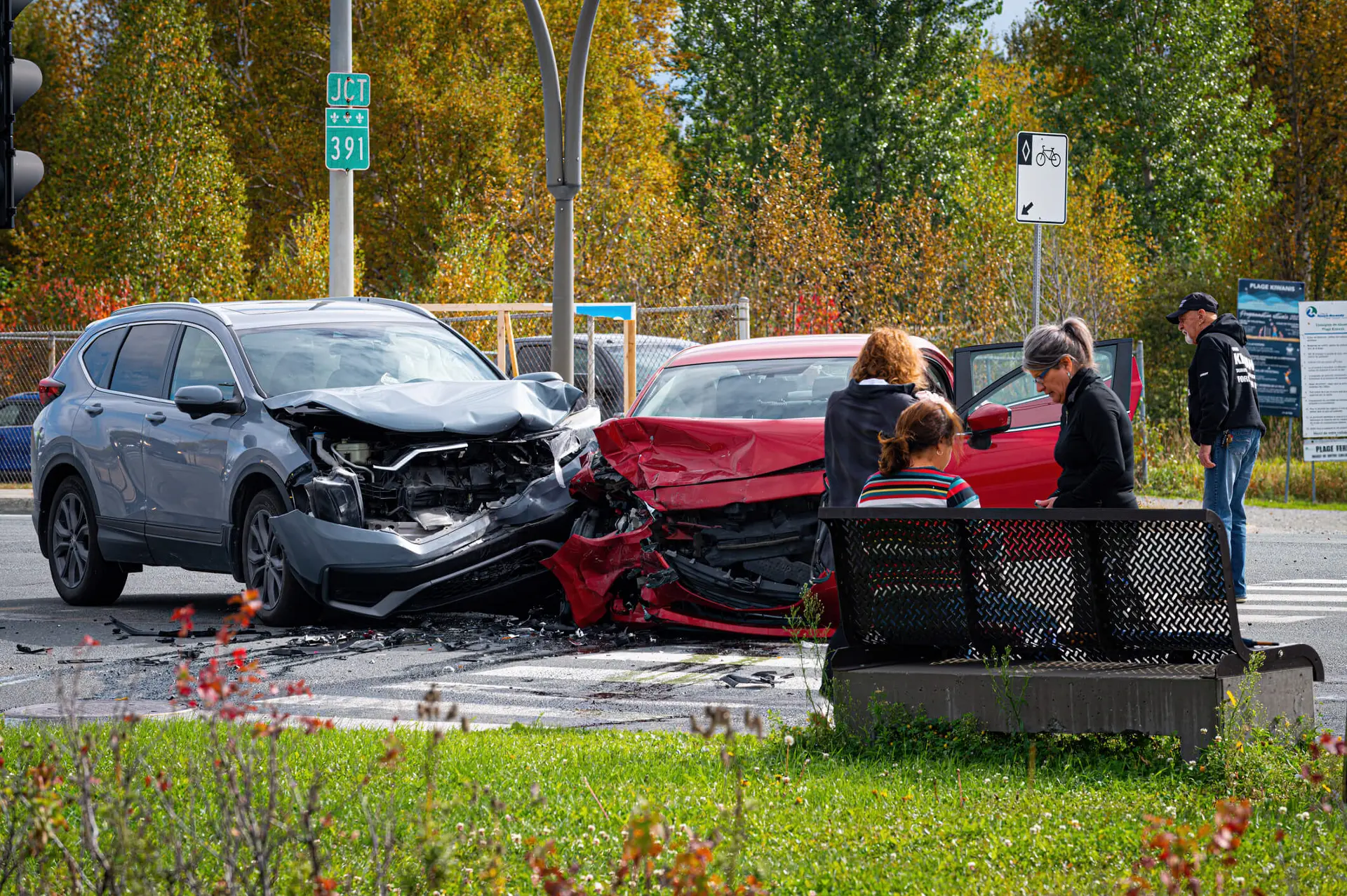
Next, become a photographer. Take pictures of everything: the cars, the intersection, that weird skid mark, the other driver's license plate. Write down what happened while the memory is still sharp, because tomorrow it's going to feel like a weird dream. There are apps for this stuff now, which is pretty handy when your hands are shaking.
The police need to show up and do their paperwork thing. While waiting around, it's totally fine to call mom or dad or whoever's going to rescue you from this mess. Same goes for calling a tow truck if the car looks like it's not driving anywhere soon.
If there were witnesses hanging around, grab their contact info before they disappear. People have places to be, but most folks will stick around for a few minutes if asked nicely.

When the officer arrives, just tell the truth. If something's fuzzy or unclear, say so. Nobody expects perfect recall after getting rear-ended at a red light. Write down the officer's name and badge number, and make sure to get a copy of that police report; insurance companies love their paperwork.
Now comes the awkward part: talking to the other driver. Exchange all the boring details—insurance info, phone numbers, license plate numbers. Some states are "no-fault," which means everyone's insurance pays for their own stuff. Other places, whoever caused the mess has to pay up. The police usually figure this out, thank goodness.
Call the insurance company as soon as possible. Like, before getting home if possible. File the claim, get the adjuster scheduled, and ask about coverage for medical stuff or towing. Some policies are surprisingly generous about this.
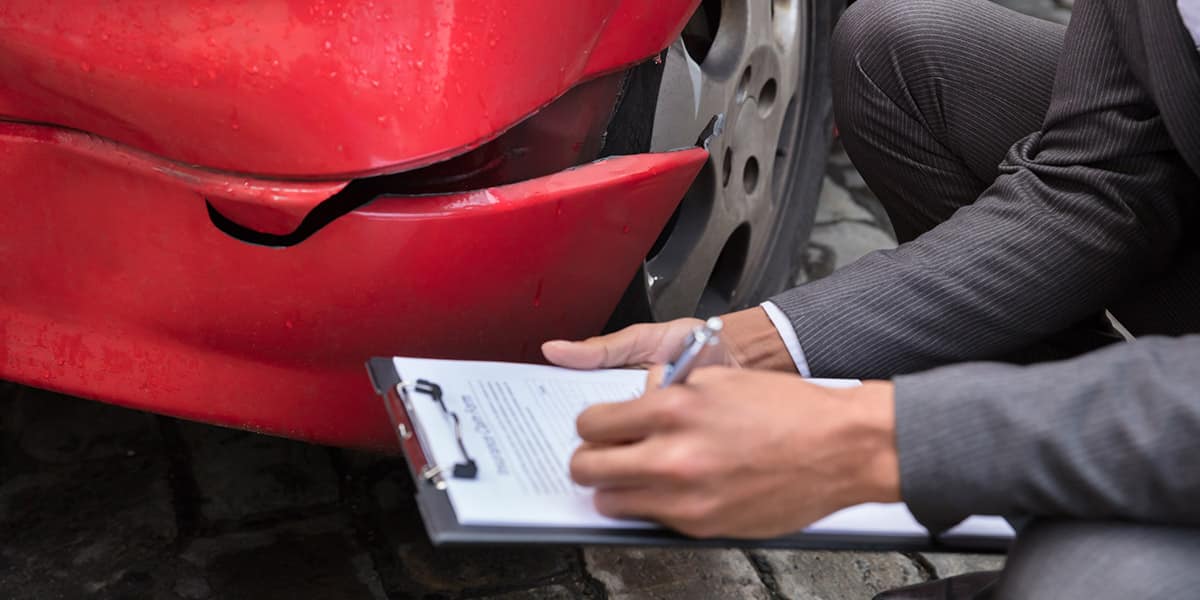
Finally, think about transportation. Car repairs take forever—sometimes weeks—and if the insurance company declares the car totaled, well, that's a whole other adventure involving car lots and loan applications.
The Aftermath (AKA When Real Life Kicks Back In)
Once everyone's home and the initial shock wears off, there are still a few loose ends to tie up. Let the insurance companies duke it out between themselves—don't try to play mediator. Keep every medical bill and receipt, because paperwork has a way of disappearing when it's needed most.
If the injuries are serious or the insurance company starts playing games, it might be time to call a lawyer. Nobody wants to deal with legal stuff, but sometimes it's necessary. And yeah, insurance rates are probably going up after this. Even the best drivers get penalized, which seems unfair but that's how the system works.

The whole experience is going to be stressful and annoying and expensive. But most people get through it just fine, and in a few months it'll just be another story to tell at parties. The key is staying calm and checking off all these boring but important boxes.