Can You Reuse Motor Oil? Why Draining It is Like Automotive Poison
by AutoExpert | 26 September, 2025
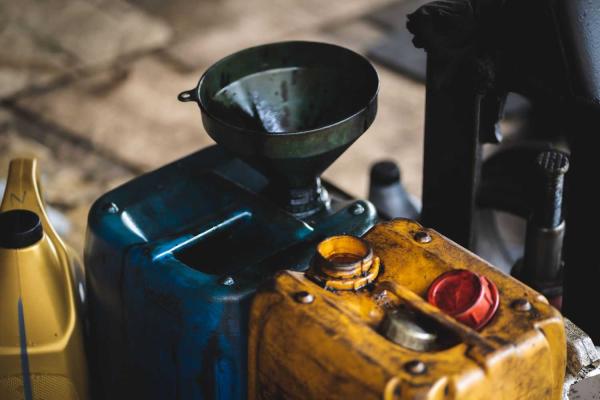
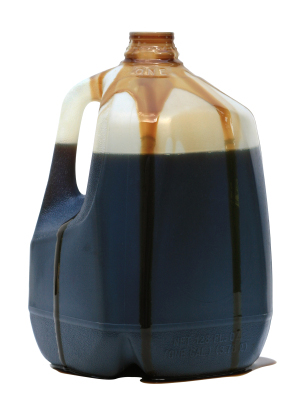
So you're staring at that jug of nasty black oil you just drained from your car, and a little voice in your head goes, "Hey, what if I just cleaned this up and used it again?"
Look, we get it. Oil changes aren't cheap, and throwing away what looks like perfectly good liquid feels wasteful. But here's the thing – that used oil is basically automotive poison at this point.

Sure, technically you can reuse motor oil, but not the way you're thinking. The only way it works is if you ship it off to some fancy industrial facility where they basically tear it apart molecule by molecule and rebuild it from scratch. And even then, it needs official certification before any car manufacturer will say "yeah, that's fine for your engine."
What Happens to Oil When It Gets Old
Used motor oil is like that leftover pizza that's been sitting in your fridge for two weeks – it might look okay, but trust me, you don't want it. Once oil starts racking up miles, it turns into a chemical nightmare. It gets thin and watery, can't handle heat anymore, and becomes super volatile.
Throw that stuff back in your engine and congratulations – you just voided your warranty and probably knocked a few years off your engine's life. Not exactly the money-saving move you were going for.
How the Pros Actually Do It
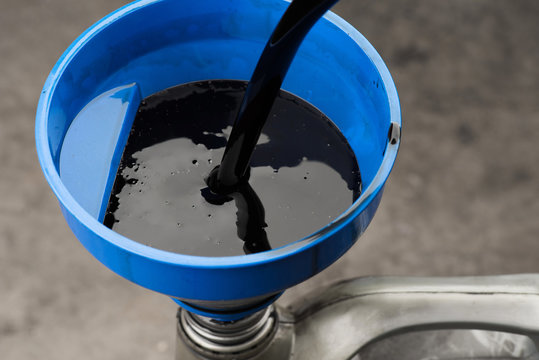
The industrial oil cleaning process is absolutely wild. These facilities don't mess around – they put used oil through what's basically automotive boot camp.
First, they crank the heat up to 275°F to boil off water and light fuel. Then they keep cranking it higher to get rid of all the nasty hydrocarbons and junk that's built up. After that comes vacuum distillation, which sounds fancy but basically means they suck out all the good stuff and leave behind the sludge and metal bits.
The final step is called hydrotreating, and it's like giving the oil one last deep clean to make it as good as virgin oil. Then they add all the right chemicals, blend it up, and get it certified. The whole thing takes serious equipment that costs more than most people's houses.
By the way, there's a difference between re-refined oil and recycled oil. Recycled oil gets the budget treatment and usually ends up powering boats or heating buildings – definitely not going in anyone's car.
Why Your Garage Filter Won't Cut It
Back in the day, people used to do crazy stuff with old motor oil. Some folks dumped it on weeds to kill them, others used it to start fires. Turns out, both of those ideas were terrible for pretty obvious reasons.
Motor oil is seriously toxic. The EPA says one oil change worth of used oil can contaminate a million gallons of fresh water. That's enough drinking water for 50 people for a whole year. Pretty crazy when you think about it.
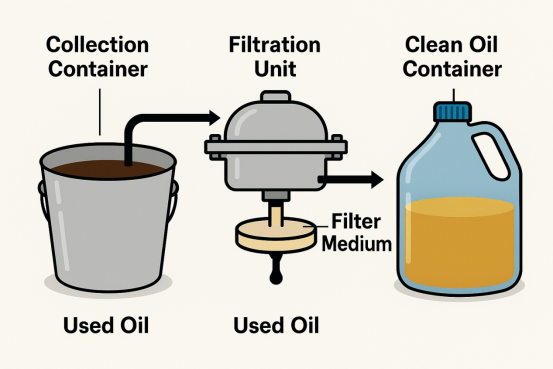
Even if someone tries to get clever and run old oil through a regular filter, it's not going to work. Those tiny particles that really mess up engines? Yeah, they're still there, along with all the acids and toxic additives that have built up over thousands of miles.
Just Don't Do It
Look, saving money is great, and being environmentally conscious is awesome. But trying to reuse motor oil at home is like trying to perform surgery with a butter knife – the tools just aren't right for the job.
Your best bet? Stick with what works. Drain the old oil, take it to a recycling center (most auto parts stores take it for free), and fill up with fresh oil. Let the professionals with their million-dollar equipment handle the whole re-refinement thing.
Your engine will thank you, your wallet won't hate you in the long run, and you won't accidentally turn your driveway into a toxic waste site.