
Can You Break Your Car Window? Tempered vs. Laminated Glass Safety
by AutoExpert | 2 January, 2026
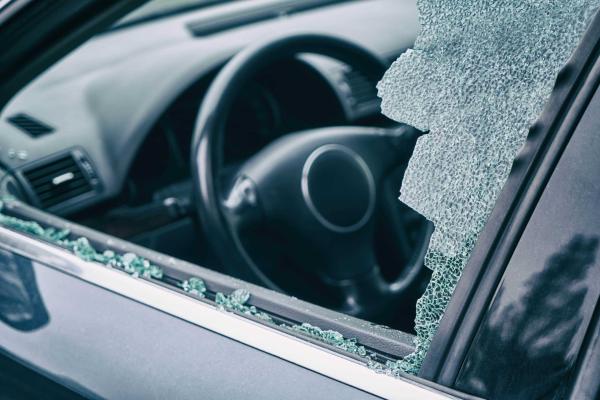
Picture this: You’re trapped in your car, it’s filling with water, and the doors won’t budge. Your phone’s useless, and panic’s kicking in. You start pounding on the window — but it won’t crack. Turns out, breaking out of your car might be way harder than you think.
Most car windows are made from either tempered or laminated glass. Tempered glass shatters into tiny pebbles (think: passenger windows), while laminated glass — like what’s in your windshield — stays in one piece even when it breaks, thanks to a vinyl layer in the middle. That makes it tough to punch through. Good for accidents. Terrible for underwater escapes.
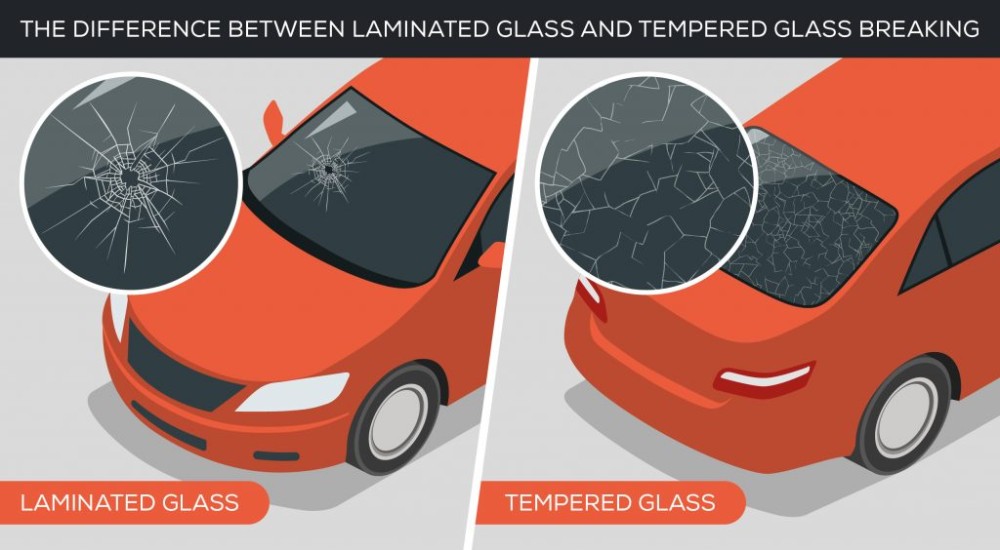
Worse? Some newer cars are swapping in laminated glass on side windows too. Why? Safety, noise reduction, theft protection. But it also makes your escape a nightmare if you're stuck inside.
Here’s the Catch: It’s Even Harder from the Inside
Outside the car, you could smash a window with a rock, a baseball bat, or even — apparently — a clam (shoutout to that one seagull in Nantucket). Inside? You’re cramped. No leverage. No tools. And trust us: your car keys, phone, or fists won’t cut it.
That’s where a car escape tool comes in. These small gadgets — often with a sharp punch or spring-loaded tip — are made to shatter tempered glass instantly. Keep one in your glove box or clipped to your visor. They’re cheap. They work. And you’ll be glad you have one, even if you never use it.
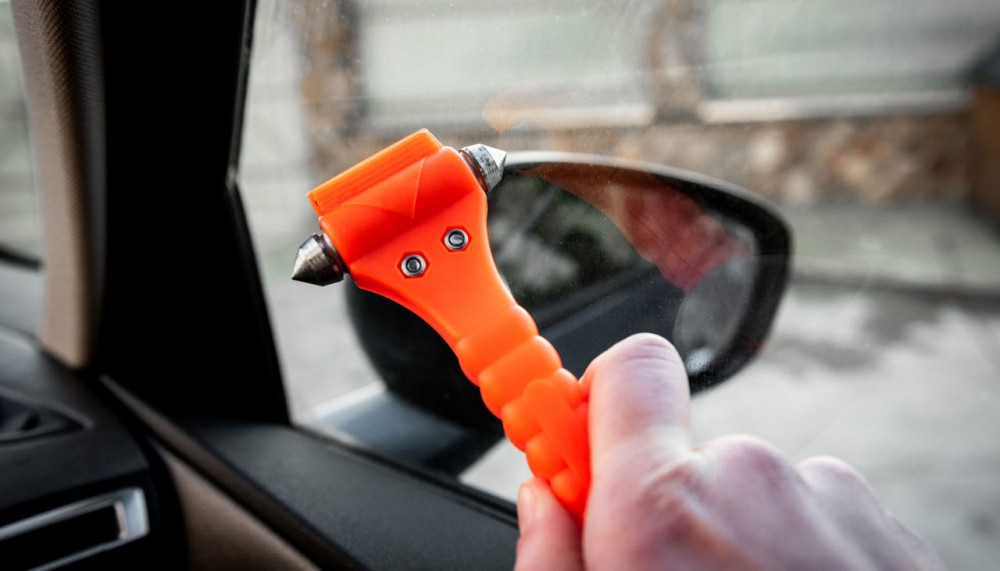
Just don’t count on popping the headrest off and using the metal prongs. Sounds smart on TikTok, but most headrests are locked in for safety reasons — and good luck figuring that out underwater, upside down, in the dark.
So What Should You Do?
- Check your window labels. Look for a tiny code: "T" means tempered, "L" means laminated.
- Buy a legit escape tool. Not all of them work — AAA tested six, and two failed.
- Don’t wait until it’s too late. Flooded roads and accidents happen.
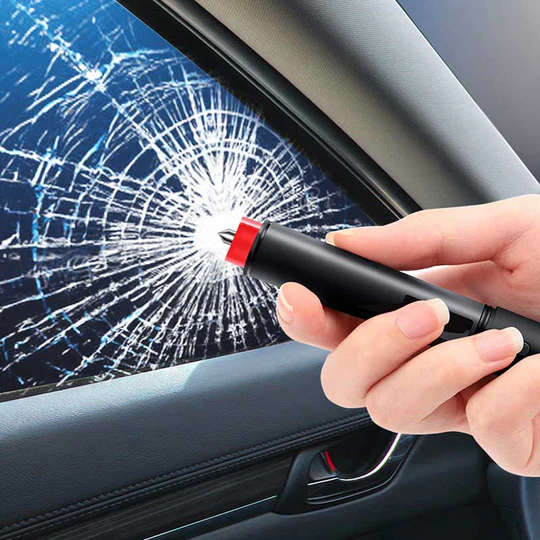
Let’s be real: getting stuck underwater is rare. But if it does happen? Knowing your windows — and having the right tool — can literally save your life.