Back On Track: How Renault And Nissan Are Reinventing Their Alliance
by AutoExpert | 1 April, 2025
The Renault–Nissan–Mitsubishi Alliance has definitely had its fair share of ups and downs, but it looks like things are starting to settle down. Renault and Nissan just announced some new “strategic projects” that could be the boost their partnership needs.
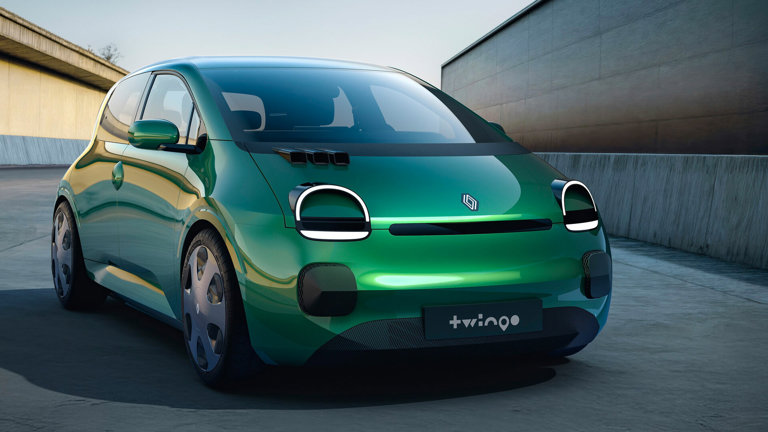
Let’s dive into the cool stuff first—Nissan is getting its own version of the next-gen Renault Twingo. It’s set to arrive in 2026 and will have a unique design, thanks to Nissan’s own styling team. There aren’t a ton of details yet, but the Twingo itself is launching next year with a price tag under €20,000 ($21,639). It’ll be a budget-friendly EV with a 7-inch digital instrument cluster and a 10.1-inch touchscreen—definitely sounds like a fun little city car.
Meanwhile, Renault is making big moves in India. They’re planning to take full control of Renault Nissan Automotive India Private Ltd by buying Nissan’s 51% stake. This deal should be wrapped up later this year, and Renault plans to build four new models at the Chennai plant.
But Nissan’s not packing up and leaving India. The Chennai plant will keep cranking out models like the Nissan Magnite. The alliance itself is also getting a bit of a shake-up. Renault and Nissan have agreed to lower the minimum shareholding threshold from 15% to 10%, giving Nissan the option to sell some of its stake in Renault if it wants to free up cash. If they decide to sell, Renault or a third party would get first dibs.
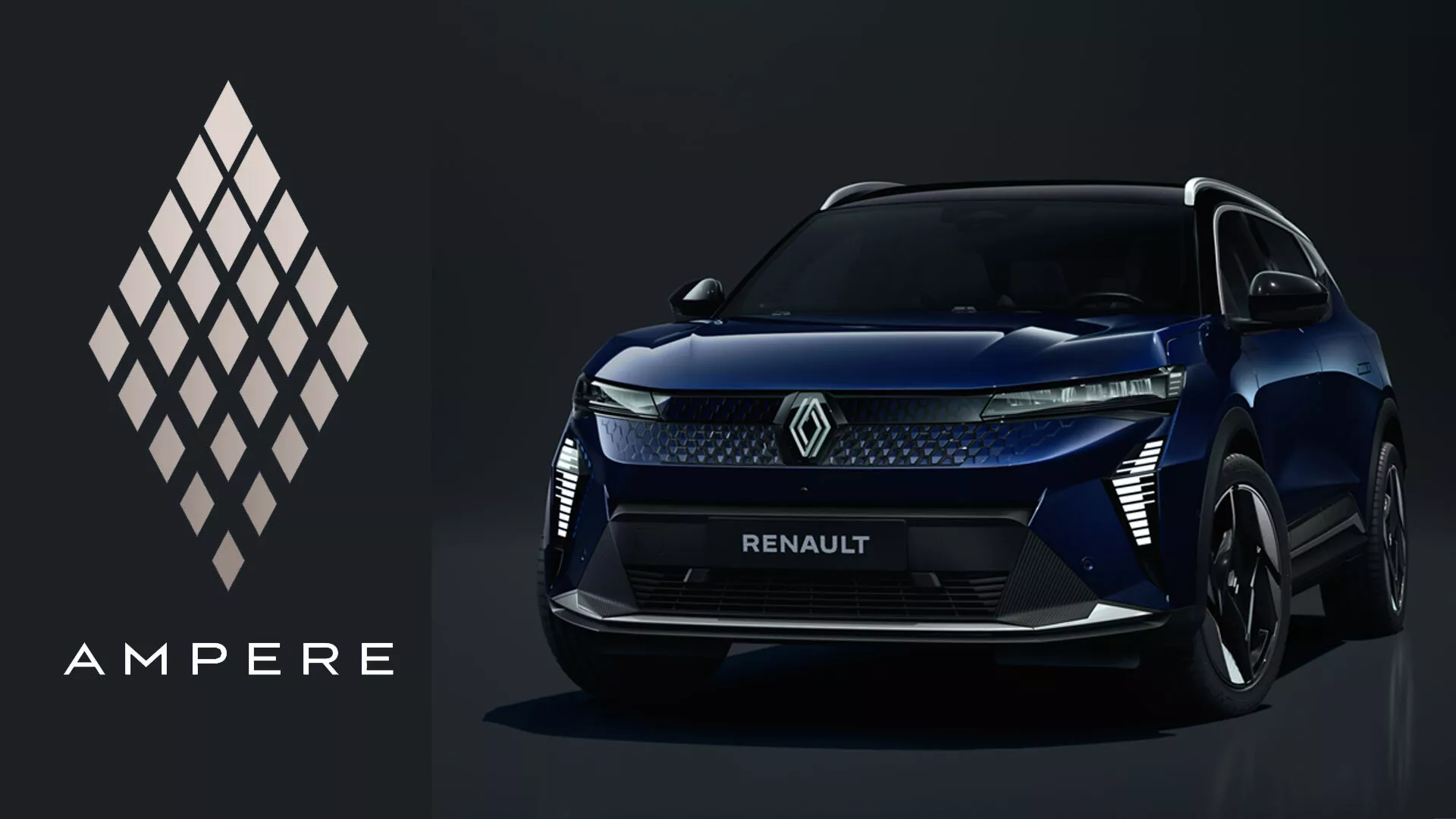
In a surprising twist, Nissan is stepping away from its planned investment in Ampere, Renault’s EV and software business. Back in 2023, Nissan was supposed to invest up to €600 million ($649 million), but that’s now off the table. The exit deal should be finalized by the end of May, which shows Nissan’s focus on its own priorities.
Renault Group CEO Luca de Meo seems optimistic. He says the changes are all about being practical and business-minded, helping Nissan get back on track while creating value for Renault.
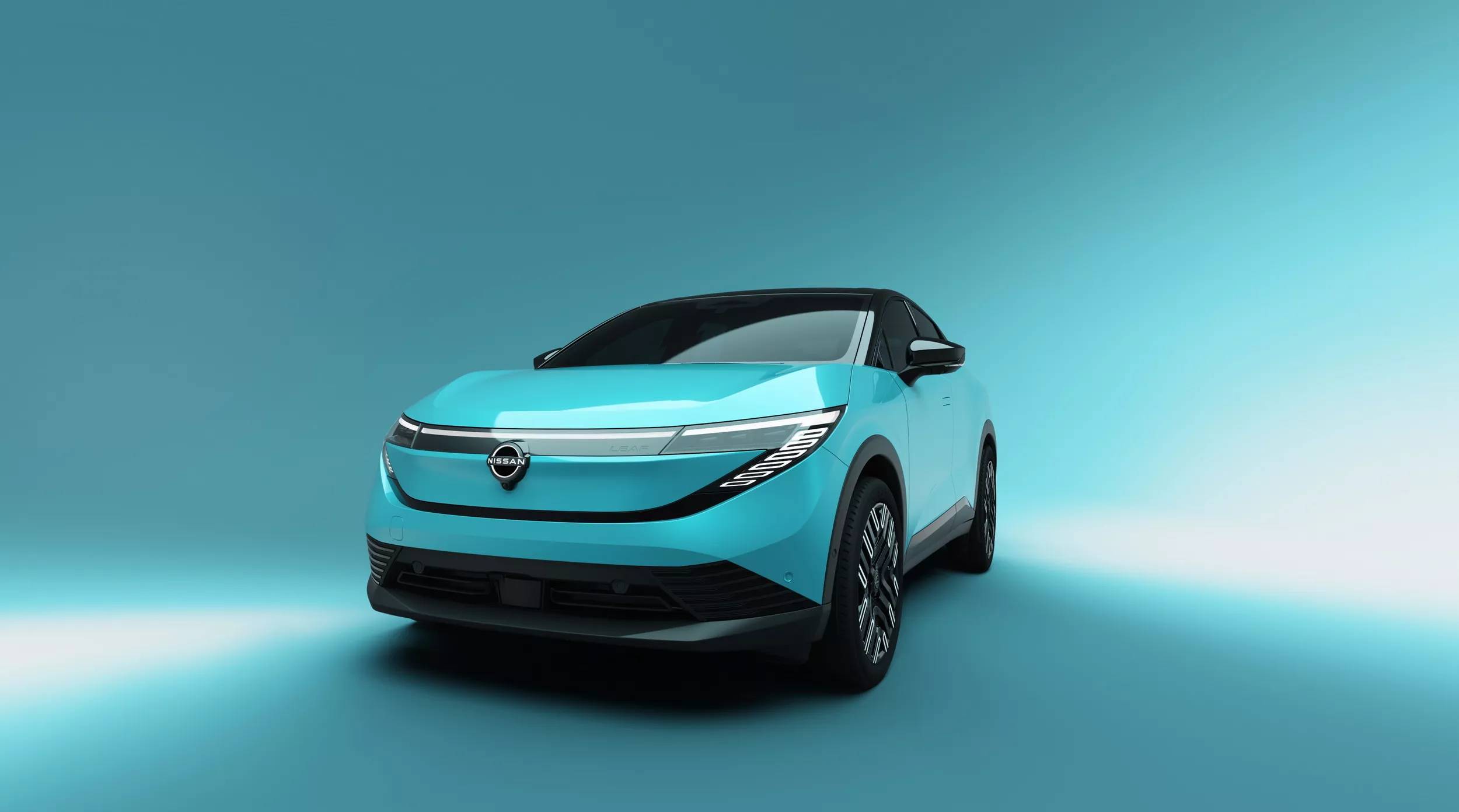
It feels like the alliance is evolving—less about strict control and more about flexibility. They’re giving each other space to focus on what they do best while still working together. After a bumpy few years, this could be exactly what they need to thrive in the EV era.