
Automatic Transmissions: 5 Habits That Are Costing You Money
by AutoExpert | 24 September, 2025
Got tired of dealing with a clutch and made the switch to automatic? Smart move. No more burning out clutches at red lights or rolling backwards on hills while some jerk honks behind you. But here's the thing - automatics have their own quirks, and ignoring them can cost serious money.
Stop Driving Like You Still Have Three Pedals
That left foot spent years working overtime on the clutch. Now it's basically unemployed, and some people don't know what to do with it. Here's a wild idea: let it rest.
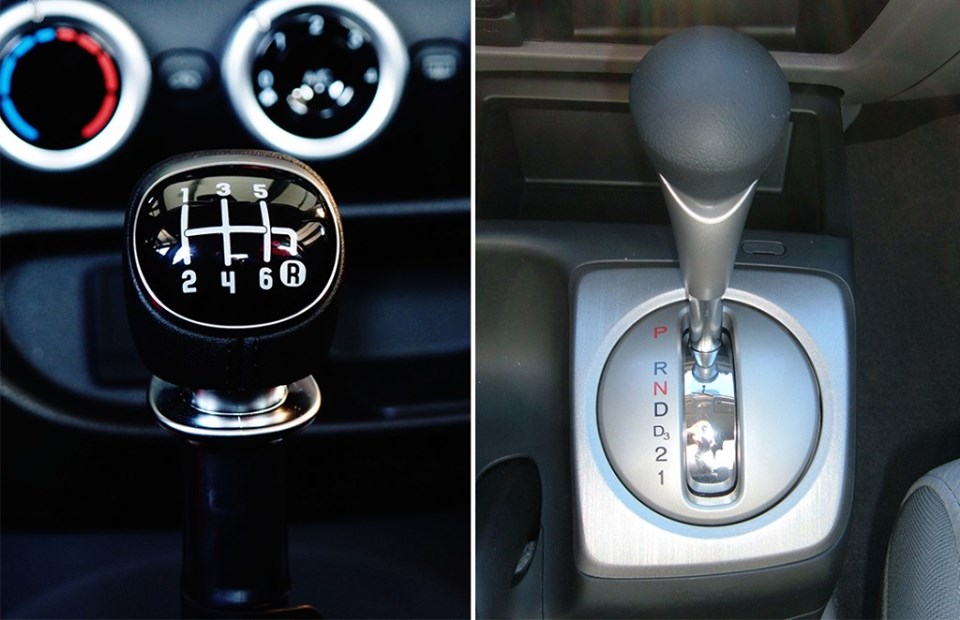
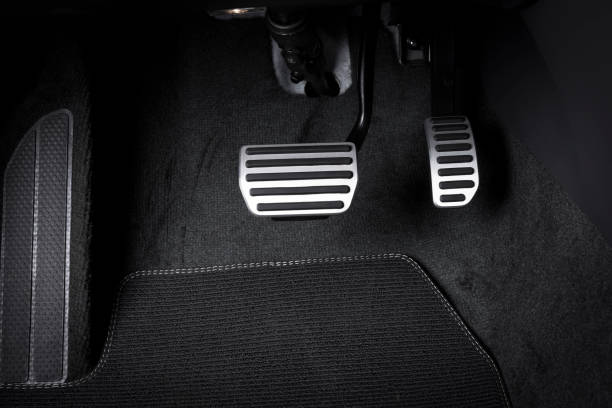
Keeping both feet busy creates chaos during emergencies. Picture this - something jumps in front of the car, panic mode kicks in, and suddenly both the brake and gas are getting stomped. Sure, the brakes will win that fight, but everyone's getting thrown around the cabin like rag dolls. Not fun.
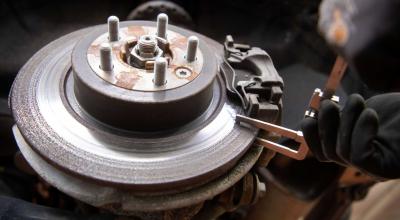
Even worse, plenty of drivers rest their left foot on the brake pedal without realizing it. Those brake lights stay on constantly, confusing other drivers and wearing out brake pads faster than they should.
Just park that left foot and let the right one handle everything. It's got this.
Neutral Isn't Your Friend on Hills
Remember coasting down hills in neutral to save gas? That trick died with carburetors. Modern automatics actually hate this move, and it's not saving any fuel anyway.
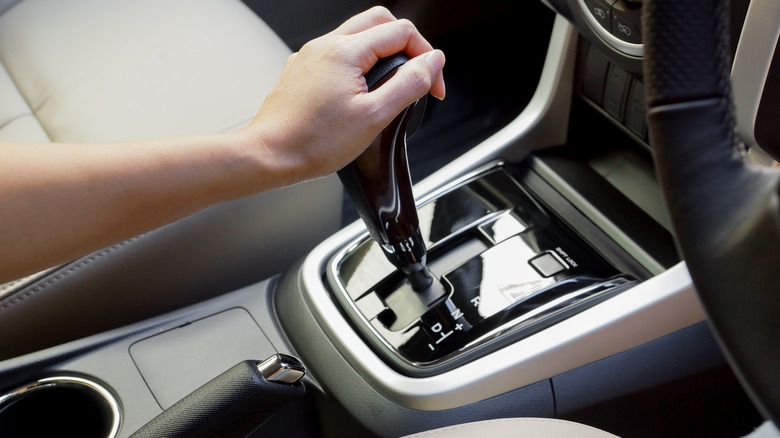
When people shift to neutral going downhill, they lose engine braking - that helpful resistance that naturally slows the car without touching the brakes. Now those poor brake pads have to do all the work, and on long mountain descents, they can overheat and fade. Nobody wants to discover their brakes don't work halfway down a mountain.
Plus, automatic transmissions need fluid circulating properly to stay lubricated. Neutral messes with this process, potentially causing internal damage that shows up later as expensive repair bills.
Modern fuel injection systems are smart enough that coasting saves practically nothing anyway. So why risk it?
Water Is Transmission Death
Automatic transmission fluid is basically liquid magic - it lubricates, cools, and creates the hydraulic pressure that makes gear changes happen. Mix water into this cocktail and everything goes to hell.
Water sneaks into transmissions through flood damage, busted seals, or even condensation during extreme weather swings. Once it's in there, it separates from the transmission fluid and sits at the bottom, slowly rusting everything metal from the inside out.
The fluid turns into some gross milkshake-looking mess that can't handle heat or pressure anymore. Gears start slipping, shifts get harsh, and eventually the whole thing gives up. What started as a little water problem becomes a $4,000 transmission rebuild that costs more than the car is worth.
Moral of the story: keep water out of places it doesn't belong.

Ease Up on the Fast and Furious Act
Look, everyone's done it - mashed the gas pedal to impress someone or just feel that rush of acceleration. But automatic transmissions weren't built for constant abuse, even in performance cars.
Every time someone floors it, hundreds of precisely-engineered parts suddenly have to handle way more stress than they were designed for during normal driving. The torque converter, planetary gears, valve body - they're all getting hammered.
Race teams rebuild transmissions after every few events for a reason. Street driving doesn't require that kind of punishment, so why put the transmission through it? All that metal grinding together creates heat and wear that eventually shows up as slipping gears and repair estimates that hurt to look at.
Save the dramatic acceleration for actual emergencies. The transmission will thank you by not exploding.
Transmission Fluid Changes Aren't Optional
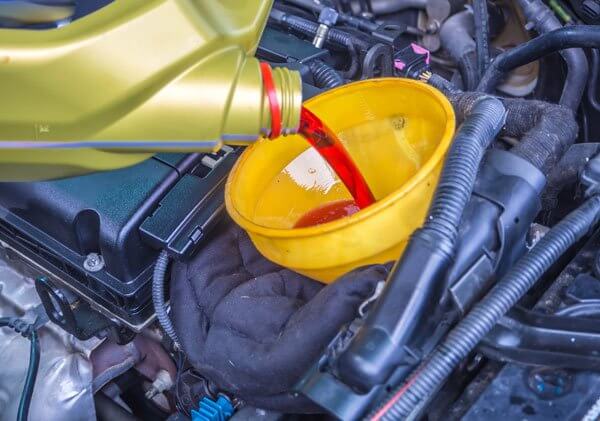
Oil changes get all the attention, but transmission fluid is just as important and gets ignored until something goes wrong. This stuff works harder than engine oil in many ways, dealing with incredible pressure and heat while making every gear change possible.
Most manufacturers suggest changing it every 60,000 to 100,000 miles, but severe conditions - like sitting in traffic jams or climbing mountains regularly - mean doing it sooner. The fluid breaks down gradually, so problems sneak up slowly.
Warning signs include the car hesitating when shifting from park to drive, rough or jerky gear changes, weird noises during shifts, and fluid that looks dark or smells burnt. By the time these symptoms show up, damage might already be happening inside.
A fluid change runs maybe $200-300. A transmission rebuild starts around $3,000 and goes up from there. Pretty easy math.
Don't Learn This Stuff the Hard Way
Automatic transmissions are amazing when they work right - smooth, effortless, and practically invisible. But they're also incredibly complex machines with thousands of ways to break if mistreated.
The good news is that taking care of one isn't rocket science. Break those old manual transmission habits, follow the maintenance schedule, and resist the urge to drive like every trip is a drag race.
The alternative is finding out firsthand why transmission shops charge what they do - and why some people go back to driving stick shifts.