
5 Bad Habits That Will Ruin Your Diesel Engine (Skipping Oil and Choking the DPF)
by AutoExpert | 27 November, 2025
People love diesels for a reason — they pull hard, run forever, and don’t complain much. But even the toughest diesel will tap out early if it’s treated the wrong way. A lot of engines don’t die because they’re “old.” They die because of a handful of bad habits that creep in over time.
Here are the big ones.

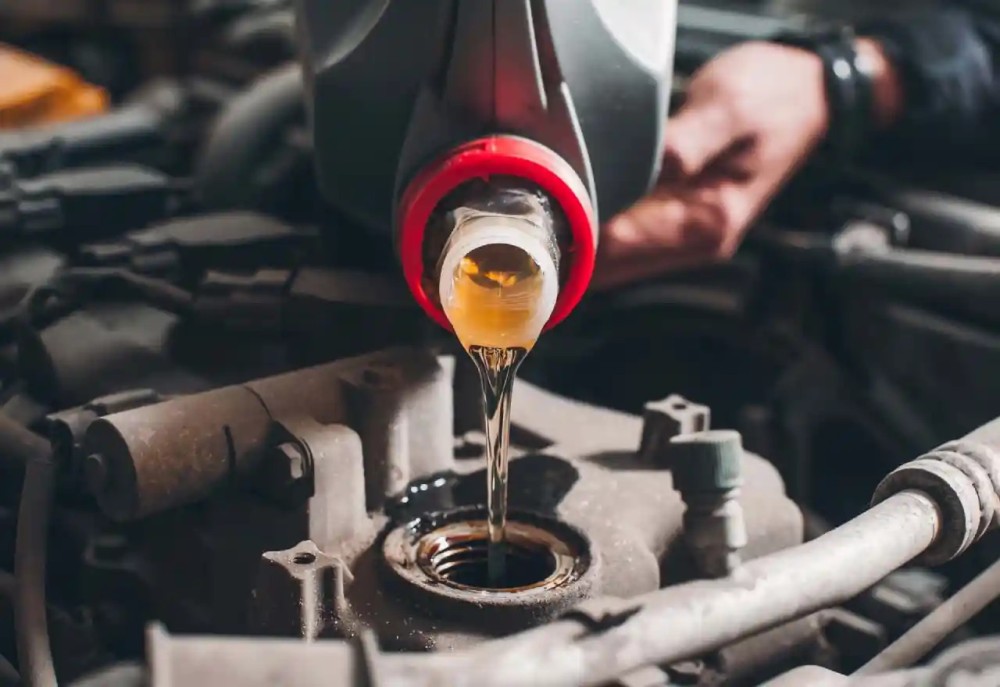
1. Skipping oil changes (the fastest way to ruin a diesel)
Diesels make more soot and run hotter than gas engines, so their oil gets filthy fast. Letting it go too long basically turns it into sludge. Sludge can’t cool anything, can’t lubricate anything, and will happily cook your turbo and bearings.
And yes — diesel engines need their own special oil. The additives protect the emissions system and keep carbon from building up.
2. Using cheap fuel or running on fumes
Bad diesel = dirty injectors, clogged filters, and expensive repairs.
Old fuel or fuel from a questionable pump often carries water or debris. Water sinks to the bottom of the tank and creates a lovely environment for microbial growth — the “diesel algae” that mechanics love to bill for.
Running the tank low makes it worse. All the junk settles at the bottom and goes straight into the fuel system. Plus, diesel cools the fuel pump. Low tank = hot, unhappy pump.

3. Forgetting the filters
Air, oil, fuel — diesels depend on all three being clean.
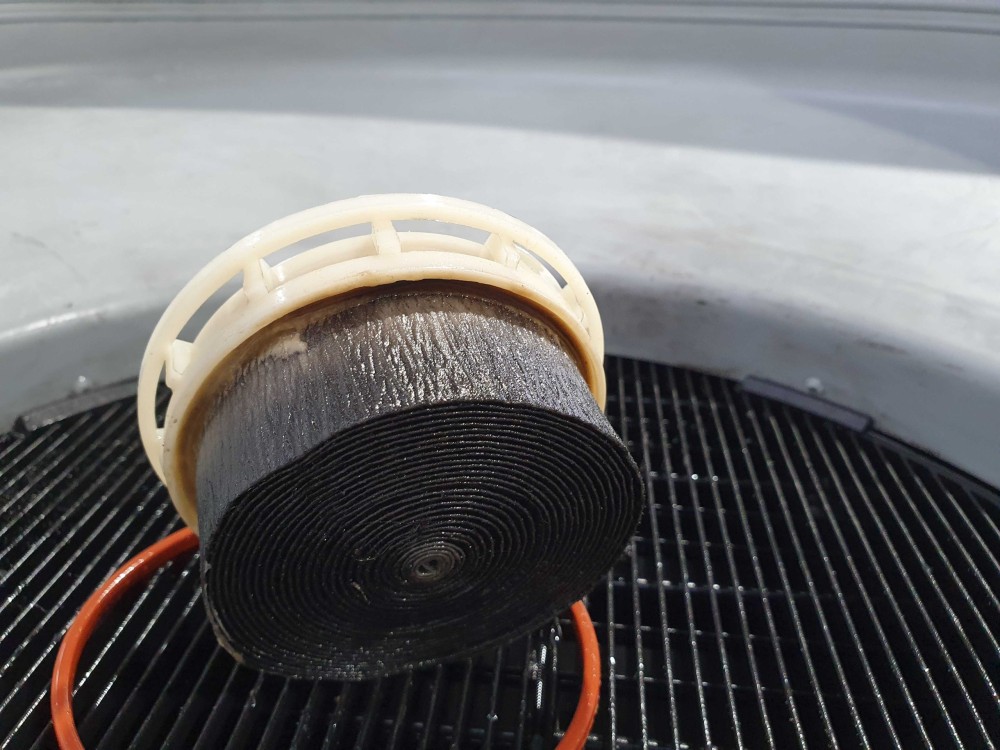
A clogged air filter makes a diesel feel sluggish and out of breath. A neglected fuel filter can starve the engine and send contaminants straight to the injectors, and that repair is easily four figures.
Most experts say fuel filters should be replaced every 10,000–20,000 miles, depending on how and where you drive.
4. Letting the EGR or DPF choke up
Modern diesels have complicated emissions systems. They work well… until they don’t.
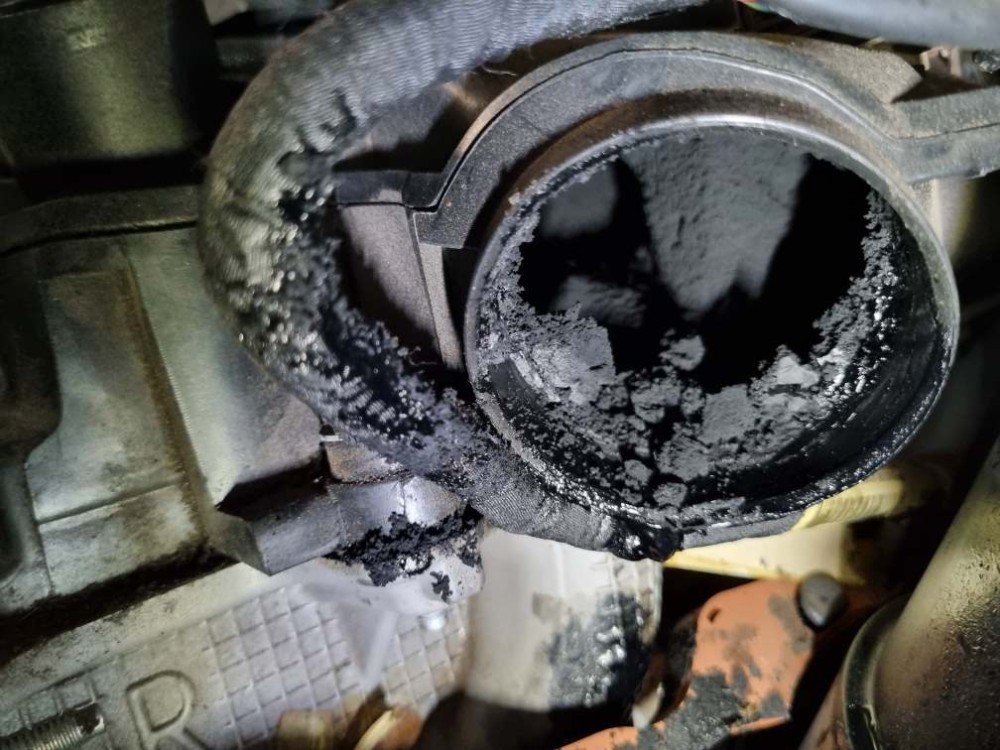
The EGR can clog with carbon and stick, causing rough running and high repair bills.
The DPF collects soot and occasionally has to burn it off. If that burn-off (“regeneration”) keeps getting interrupted, the filter blocks up. A blocked DPF gets hot enough to hurt the turbo and other parts — and replacing a DPF can cost well over $2,000.
Keeping these clean and letting regens finish saves a ton of money.
5. Driving hard when cold, shutting down when hot
Diesels like a routine.
When cold, the oil is thick and the glow plugs are still warming things up. Hammering the throttle right away just builds carbon and stresses the turbo.
At the other end of the trip, shutting off a hot engine immediately is just as bad — the turbo cooks oil into crust. Let the engine idle for a minute before turning it off, especially after towing or highway speeds.

Keep the oil fresh, the filters clean, the fuel good, and the turbo cooled, and it’ll outlive just about everything else you own. Neglect those things, and even the strongest engine becomes a very expensive paperweight.