The Mitsubishi Pajero Is Finally Back – And It’s Coming for the Land Cruiser
by AutoExpert | 2 September, 2026
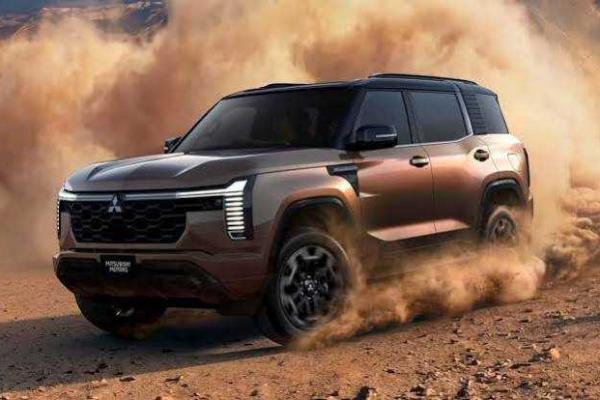
The Pajero has spent years away from Mitsubishi’s lineup, but its return is aimed at a very different part of the market. The new-generation SUV comes back as a large, body-on-frame 4x4 with three rows of seats, modern cabin technology, and enough off-road hardware to give its famous name some substance.
Measuring 193.7 inches long, the new Pajero is positioned against vehicles such as the Toyota Land Cruiser 250 Series.
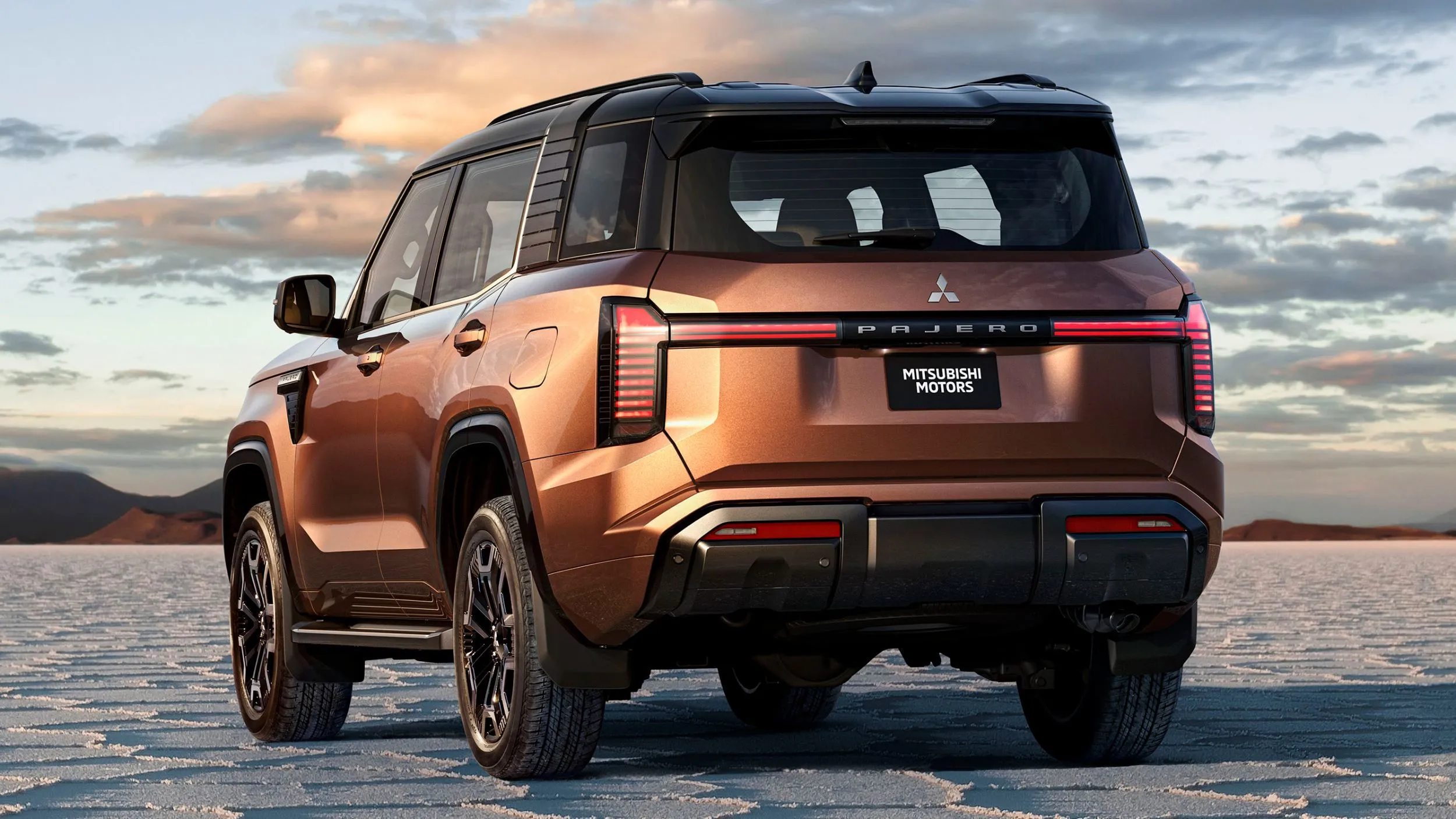
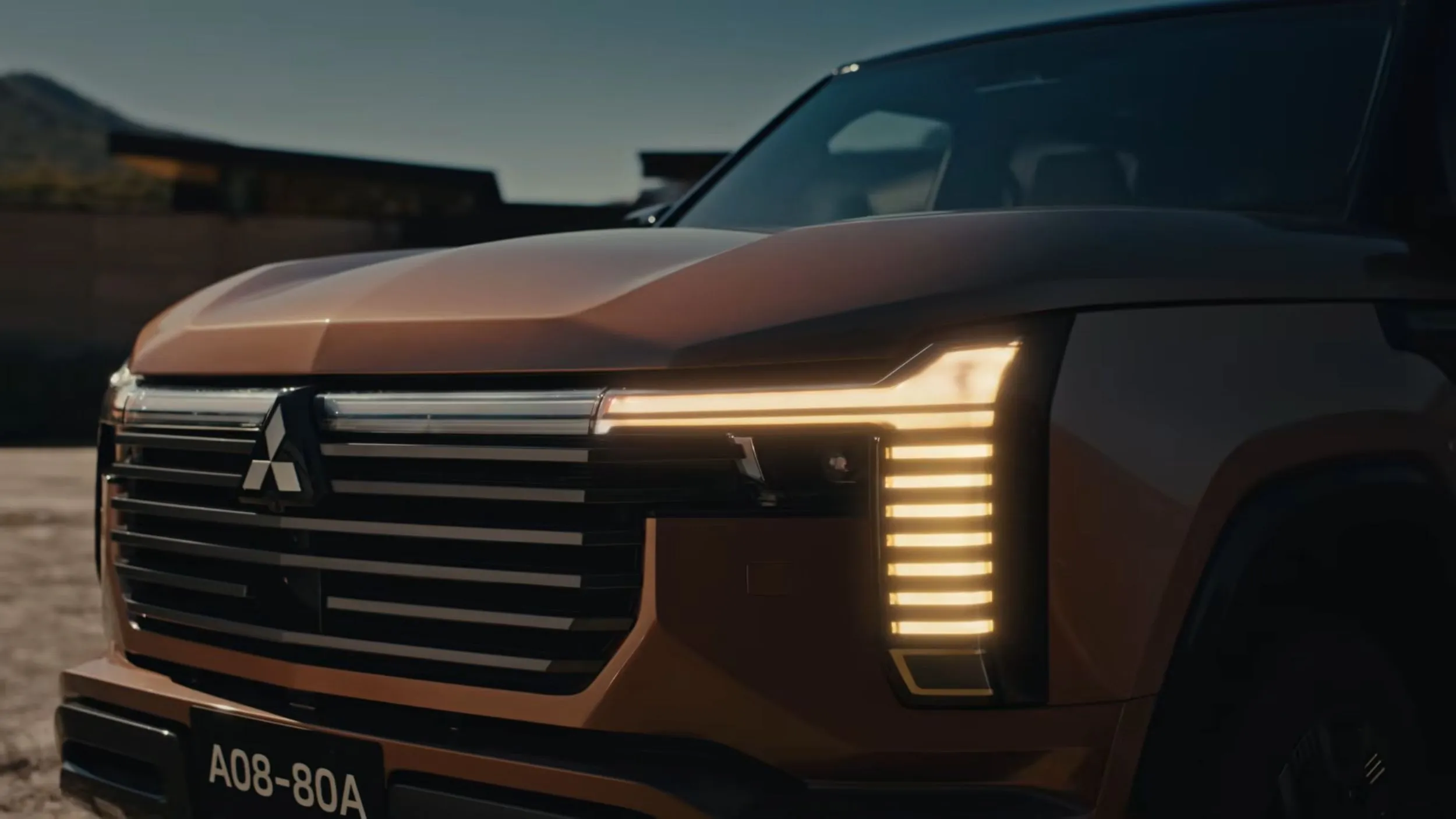
Its design stays deliberately upright, with T-shaped LED lights, chunky skid plates, squared wheel arches, and side vents carrying Pajero lettering. A textured C-pillar extends toward the roof, while the rear gets a sculpted tailgate. Armor Copper Metallic is one of the available colors, while a new Phantom Blue Metallic option comes with gold accents.
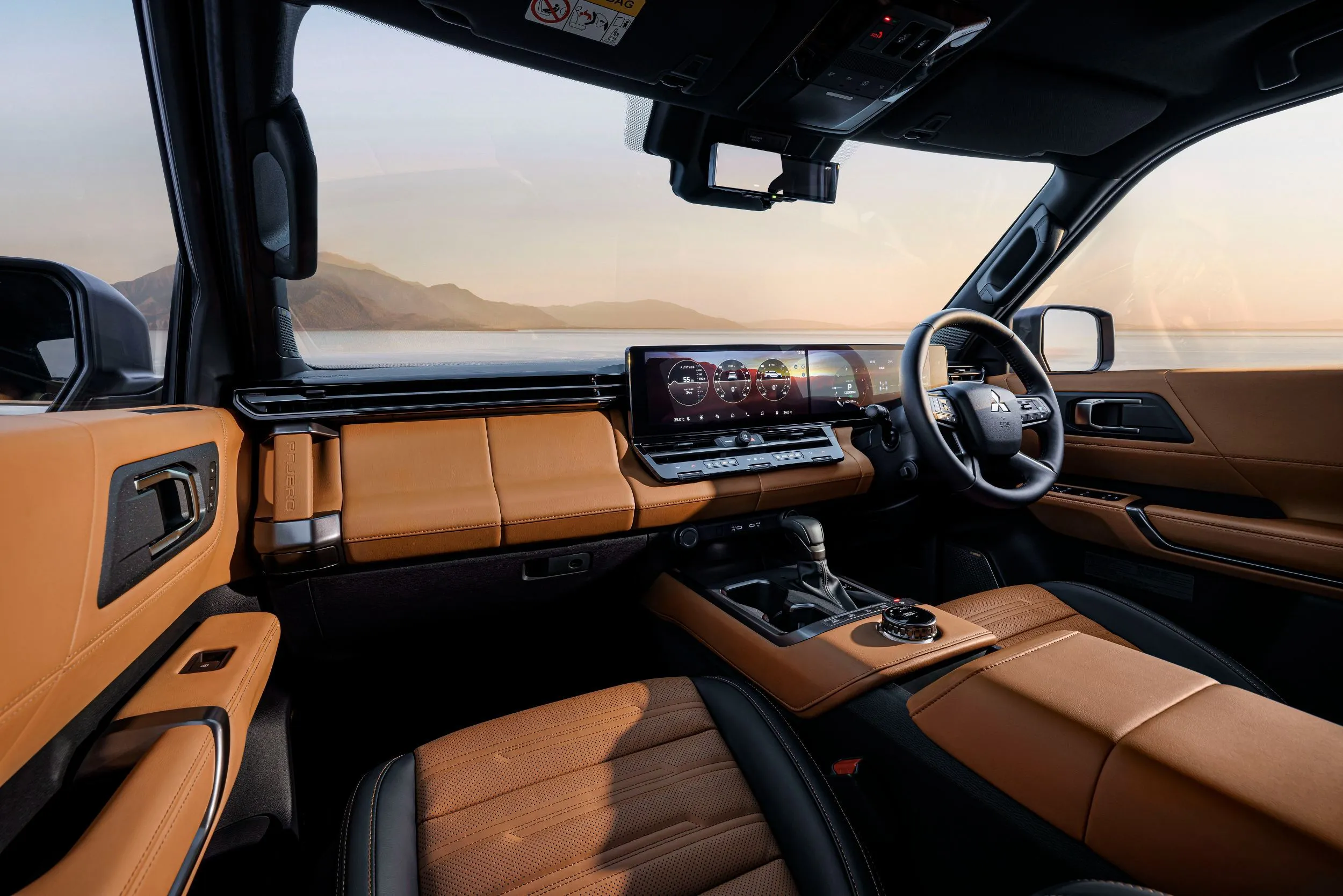
The cabin seats seven across three rows, with a 2,870-mm (113.0-inch) wheelbase providing the space. Mitsubishi has also moved the Pajero further upmarket, using soft-touch materials throughout and offering Camel-colored leather with black inserts and detailed stitching. The dashboard centers around a pair of 14.3-inch screens housed in a single panel on higher trims, while lower versions use a 12.3-inch display.
There are 16 background themes, plus a digital Multi Meter that takes inspiration from the three-gauge layouts found in older Pajeros. It can display information such as altitude, compass direction, temperature, and pitch and roll angles.
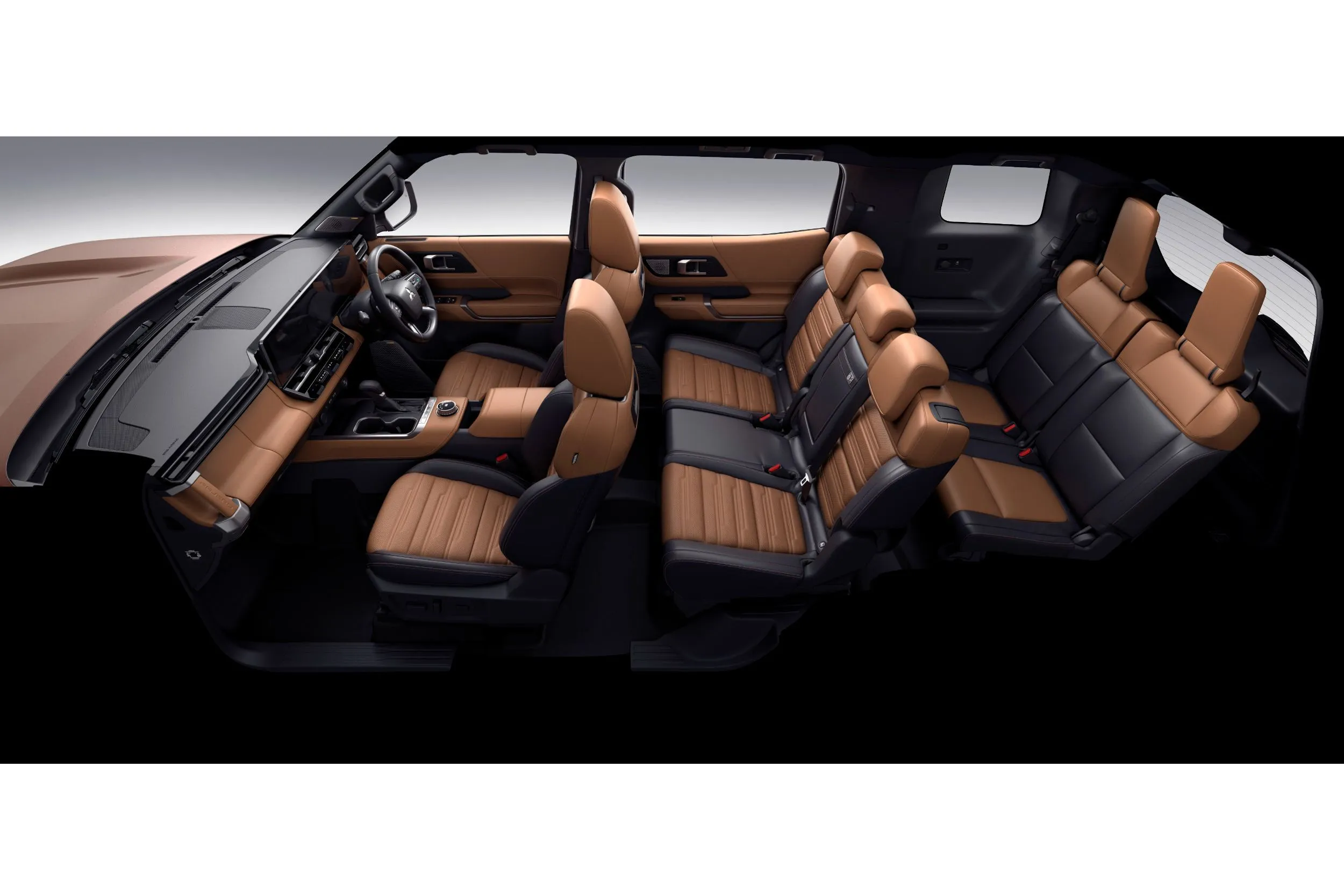
Mitsubishi has put plenty of attention into making the Pajero quieter, too. Acoustic glass and additional sound insulation are intended to keep conversations easy at highway speeds. The audio system comes from Yamaha and uses 12 speakers, two amplifiers, and noise compensation. Standard safety equipment includes eight airbags, the MI-PILOT driver assistance system, and a 3D Multi Around Monitor that can provide a virtual view beneath the vehicle.
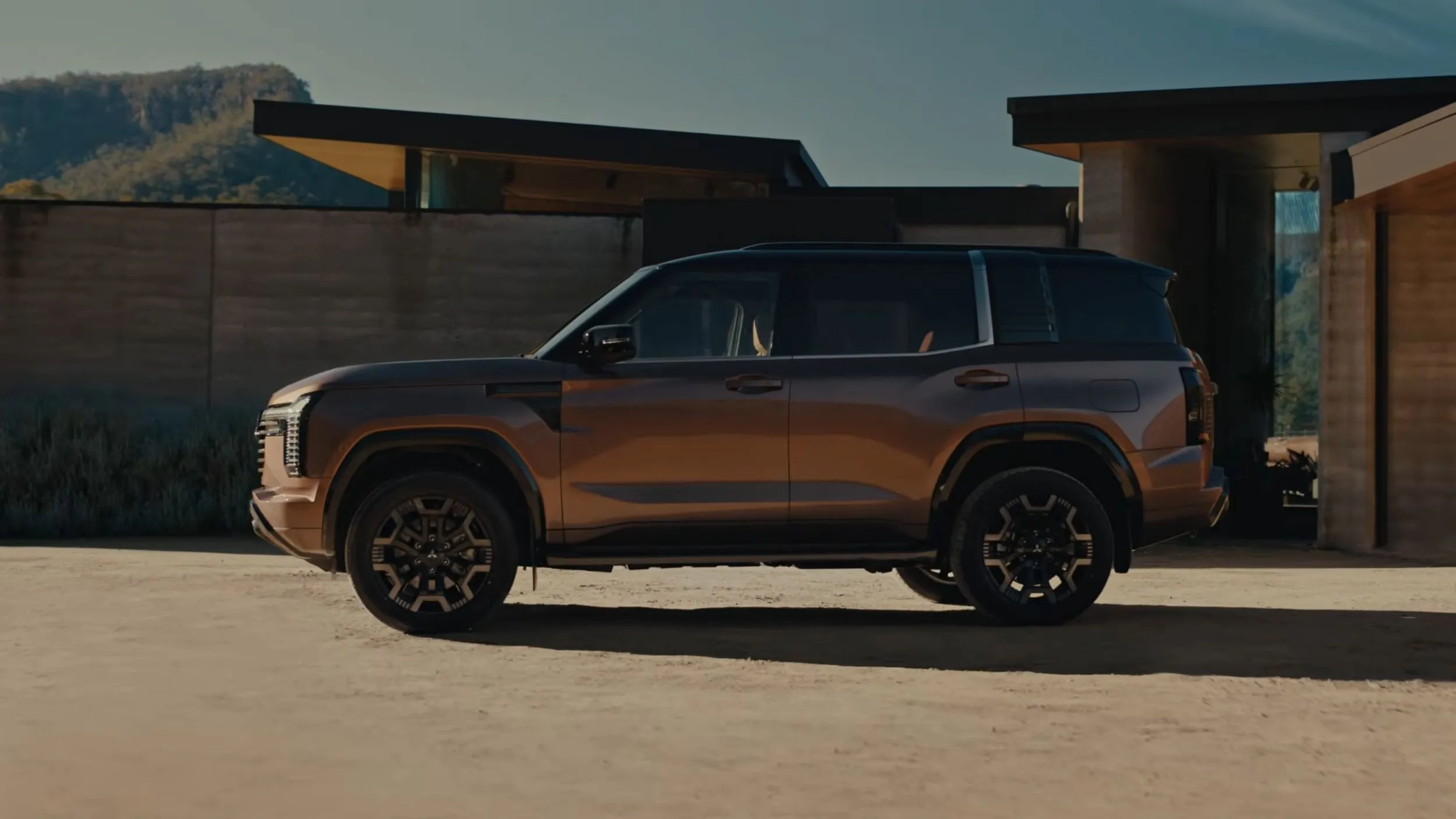
Underneath, the Pajero uses the Triton pickup’s ladder-frame chassis, but Mitsubishi has developed a different suspension setup for the SUV. The front uses independent double wishbones, while the rear gets a five-link rigid axle. Engineers also drew on experience from Mitsubishi’s Dakar Rally programs when tuning the chassis. Ground clearance stands at 230 mm (9.1 inches), with a 30.4-degree approach angle, 22.6-degree breakover angle and 25.8-degree departure angle.
Power comes initially from a 2.4-liter diesel with a single variable-geometry turbocharger. Mitsubishi has not yet announced its horsepower figure, but torque reaches 480 Nm (354 lb-ft), or 470 Nm (347 lb-ft) for certain specifications. Electrified versions are planned for the future. The current diesel sends power to all four wheels through a newly developed eight-speed automatic transmission. Mitsubishi’s Super-All Wheel Control system is standard and includes Active Yaw Control along with seven terrain modes.
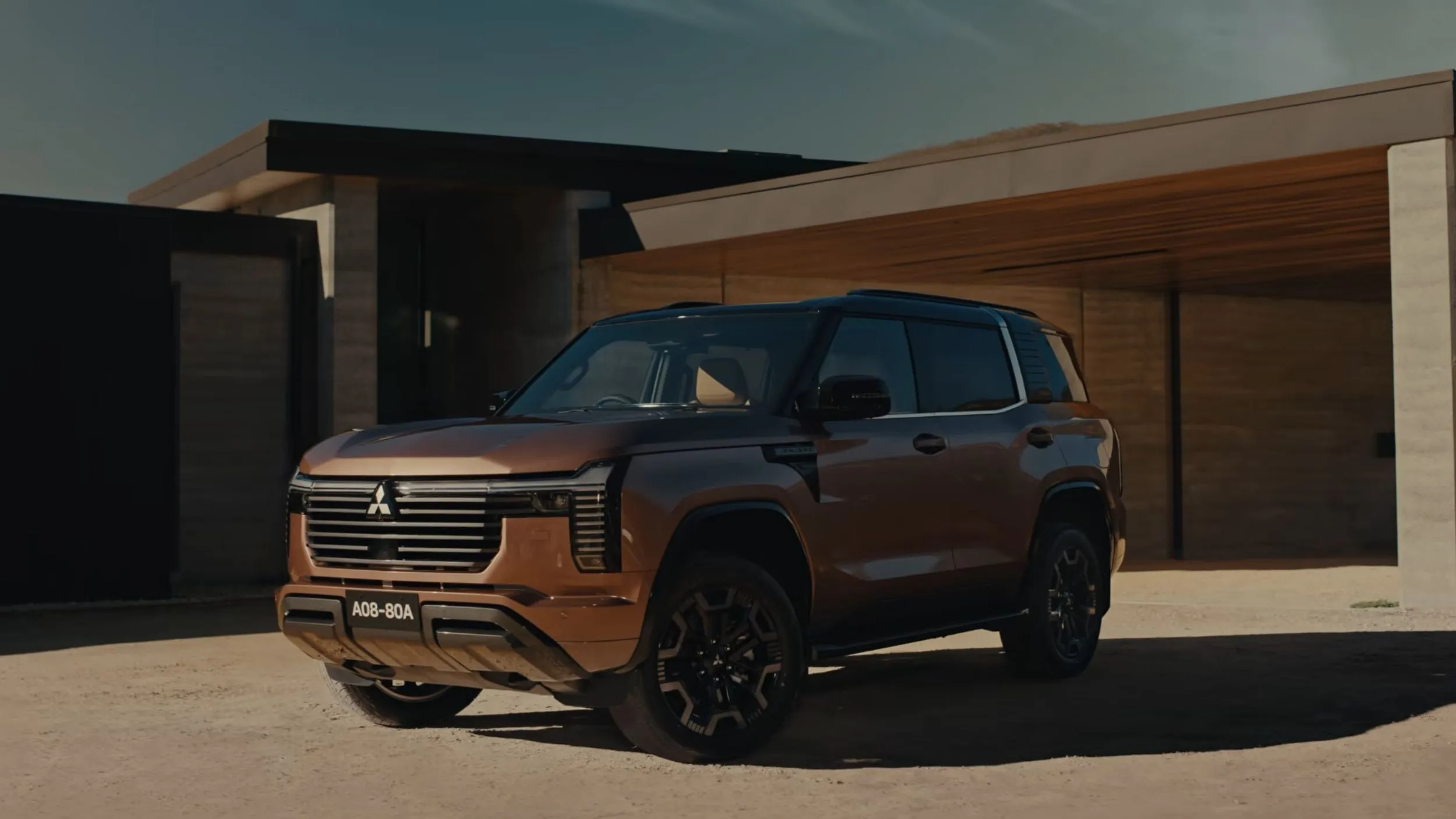
Production will take place in Thailand alongside the Triton pickup. The first markets are Thailand, Japan and Australia, with launches planned by the end of March 2027. Mitsubishi then intends to expand the Pajero to around 100 markets across Southeast Asia, Latin America and the Middle East.
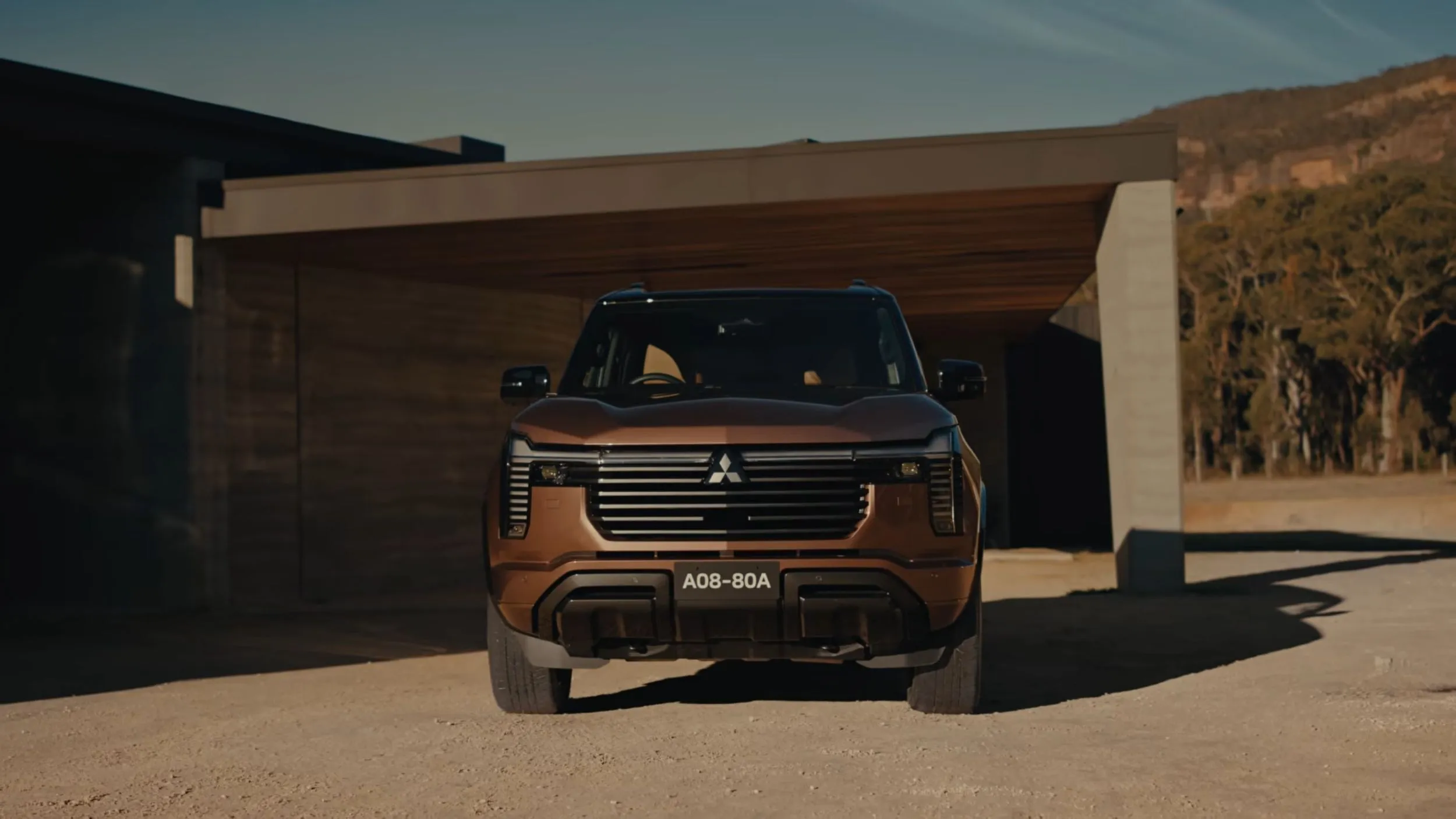
In some export markets, the SUV will be sold as the Montero. Mitsubishi has said there is currently no decision on bringing this vehicle to the US, although a Pajero derivative or another version could eventually reach North America by 2030. The Pajero name is also set to become something of a family brand, with Mitsubishi planning smaller models including a kei-sized SUV for Japan and a compact rugged SUV.
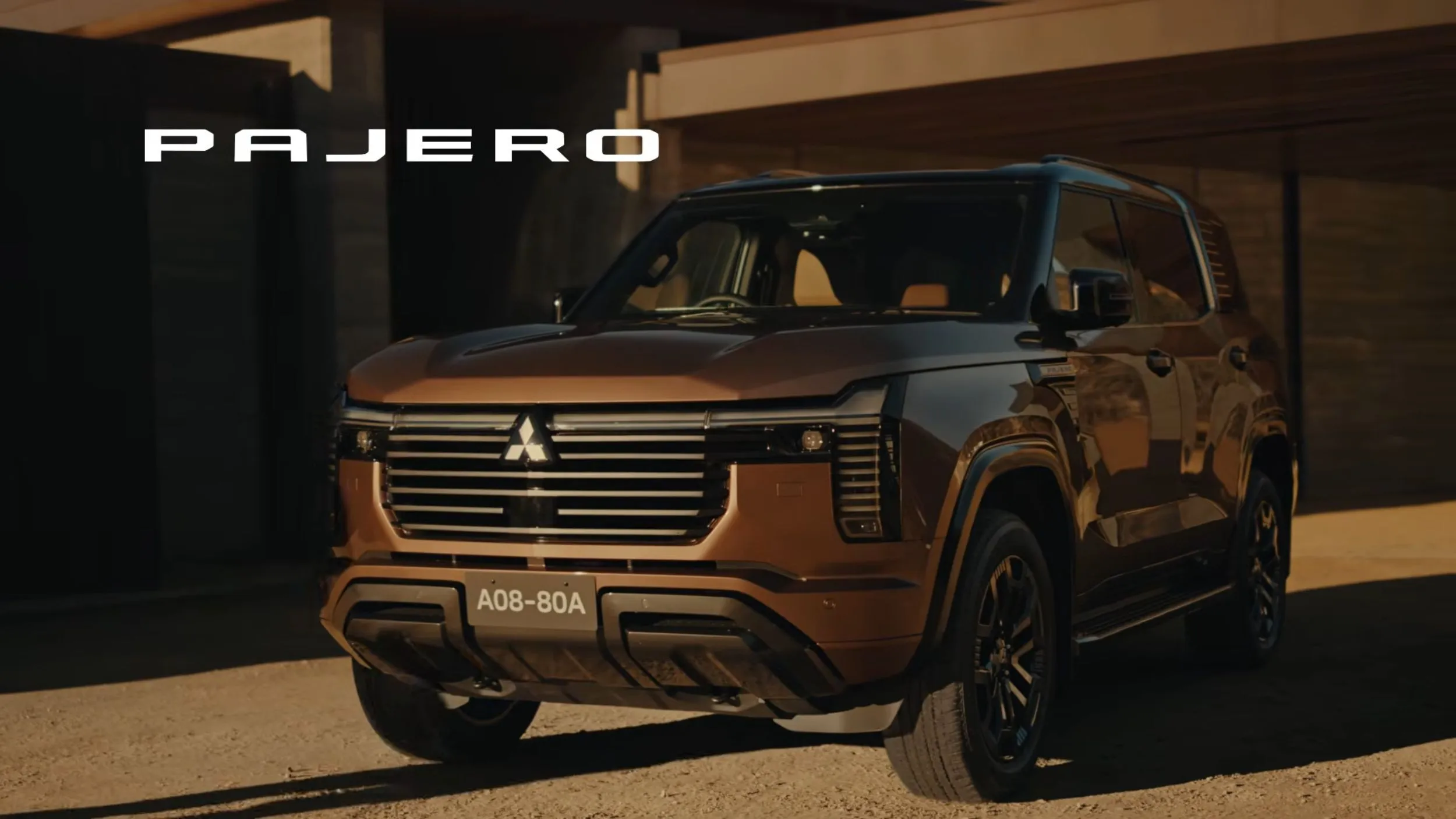
After disappearing from the lineup for years, the Pajero is back with a clear focus: traditional 4x4 hardware, modern technology and enough space for a family. Whether that formula can give Mitsubishi a real contender in the large off-road SUV market will become clearer once the new Pajero reaches showrooms.