2026 Mercedes GLB vs. Smart #5: Why They Look Alike But Drive Totally Different
by AutoExpert | 9 December, 2025
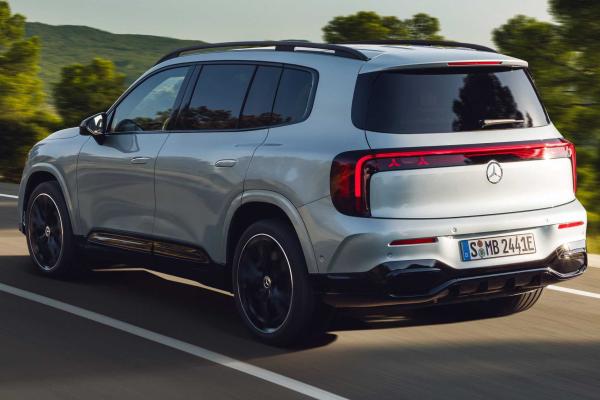
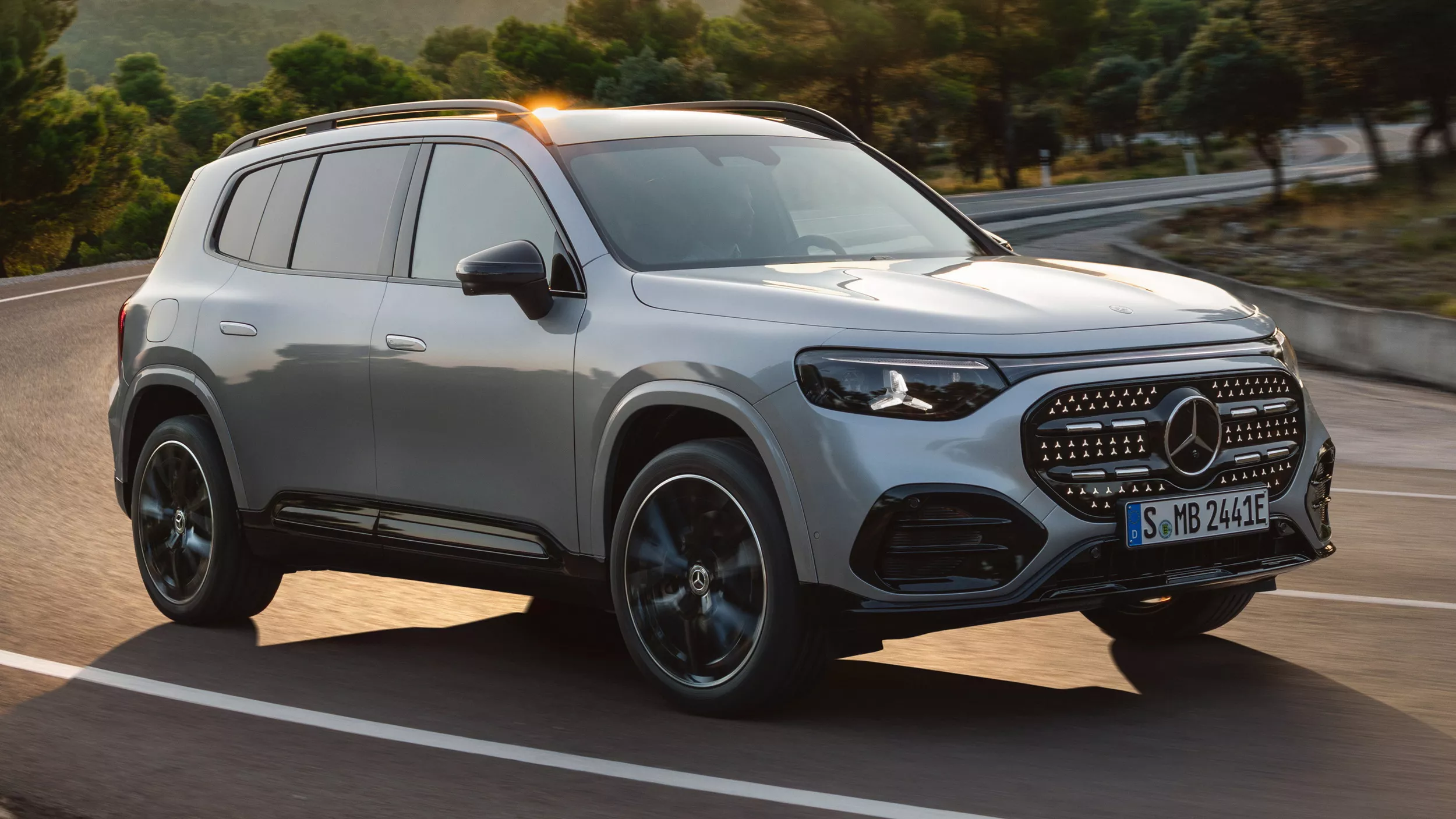
Mercedes has debuted the next generation of the GLB, and it shows off sharper styling, improved technology, and a versatile platform that can accommodate various powertrains. It’s got one weird quirk, though – and if you stare long enough, you’ll notice more than a few distinct similarities to the Smart #5.
Fair enough, they were both drawn under the same design leadership. But even if the relationship is skin deep, there the relationship stops. The bones are different, as are the drivetrains, and there are zero parts in common. It just makes you want to know more.
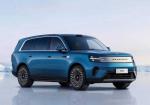
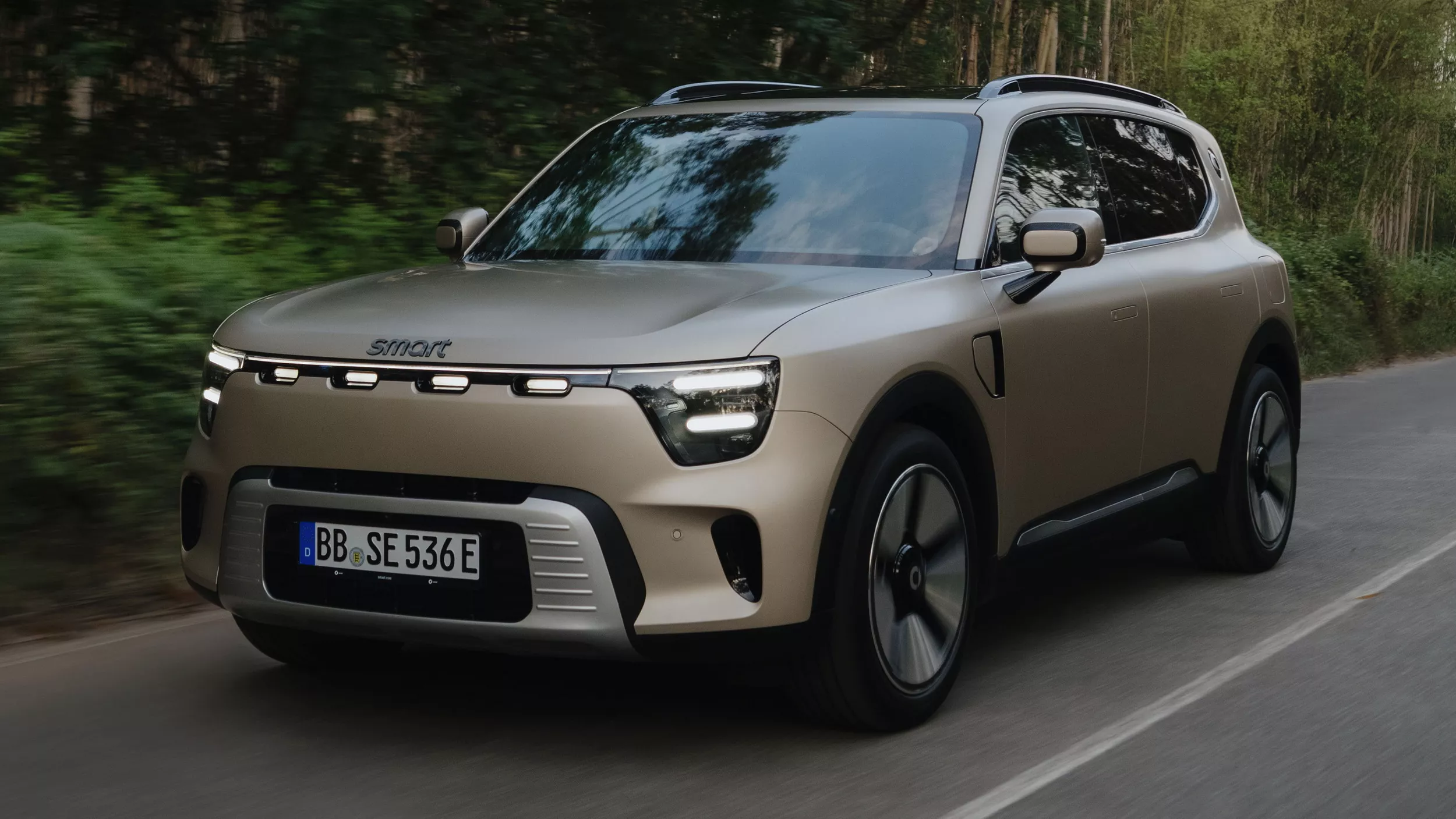
The Smart #5 arrived in 2024 as the largest Smart to date – well, until the larger #6 sedan is built, at least. The exterior styling was in the hands of Mercedes, as they own 50% of the Smart brand, but the engineering was up to Geely. That’s why the #5 rides on Geely’s SEA platform and is offered in both full-electric and range-extender flavors.
The new GLB takes another approach. It's based on Mercedes' MMA platform, which underpins the latest CLA, and is offered as an EV or with a mild-hybrid powertrain. Mercedes wants that platform to have as broad an application as possible.
The hardware differences are reflected in performance, with the Smart #5 being more powerful. Mercedes hasn't revealed an AMG version of the GLB, so for now, the Smart is the faster car.
In size, the 2026 Mercedes GLB is a hair longer, while the Smart gets a slightly longer wheelbase. The big split happens inside: Mercedes is the only one offering a seven-seat layout. Smart sticks to two rows and uses the extra room to make the rear seats and cargo area more comfortable.
Design-wise, the family resemblance is obvious. Both have a softened, boxy shape, similar window profiles, a strong D-pillar, and an upright rear. Even the full-width taillights echo each other, though they use different lighting signatures.
Up front, the GLB goes for a more traditional, oversized grille. The Smart puts the focus on its lower intake, which doubles as a skid plate. Both headlights follow the same basic idea with a connecting LED strip, just executed differently.
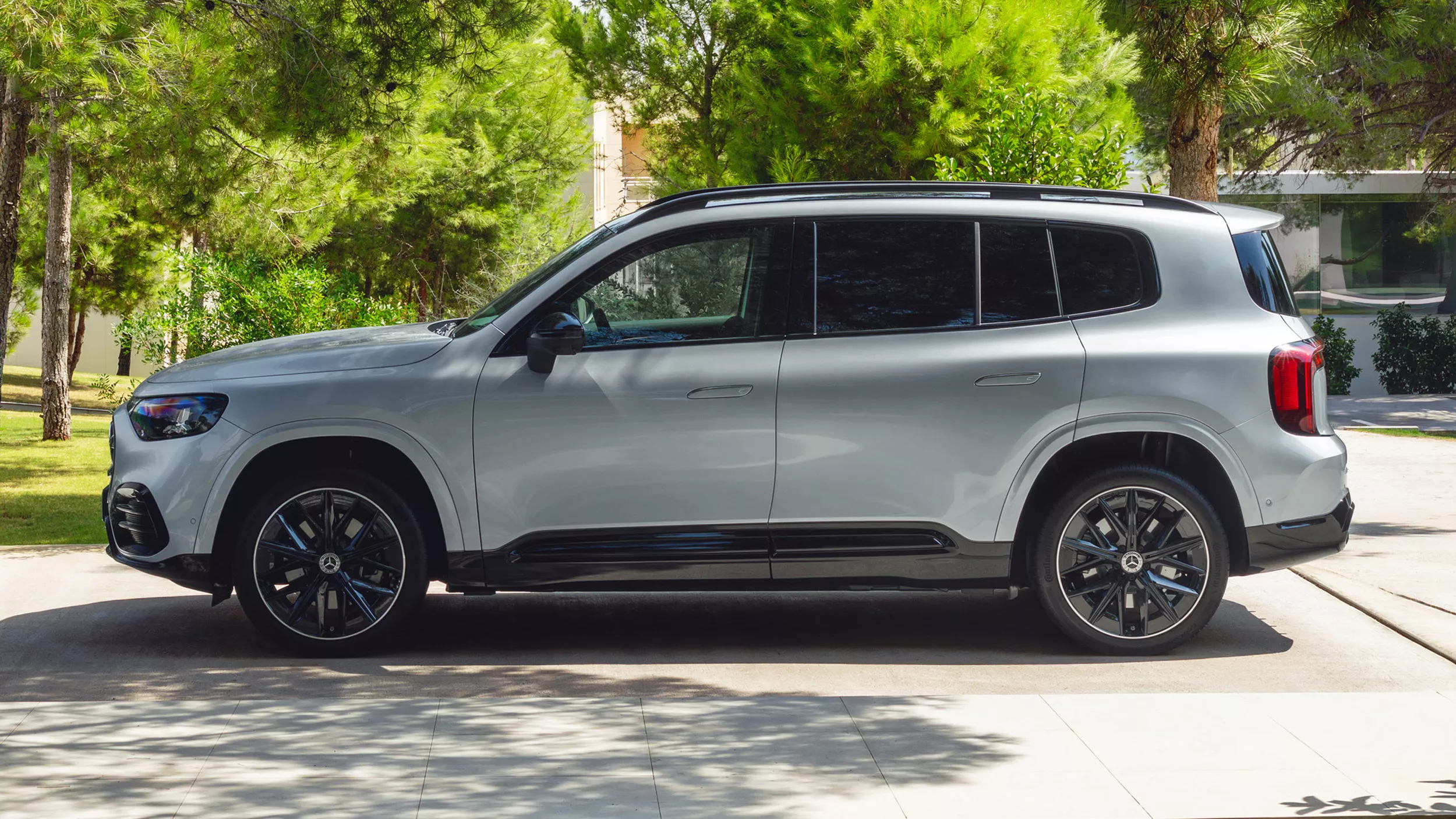
Look closer, and more differences appear - the GLB’s wheel arches are more squared-off, the Smart has unique mirrors, and the detailing shifts from brand to brand.
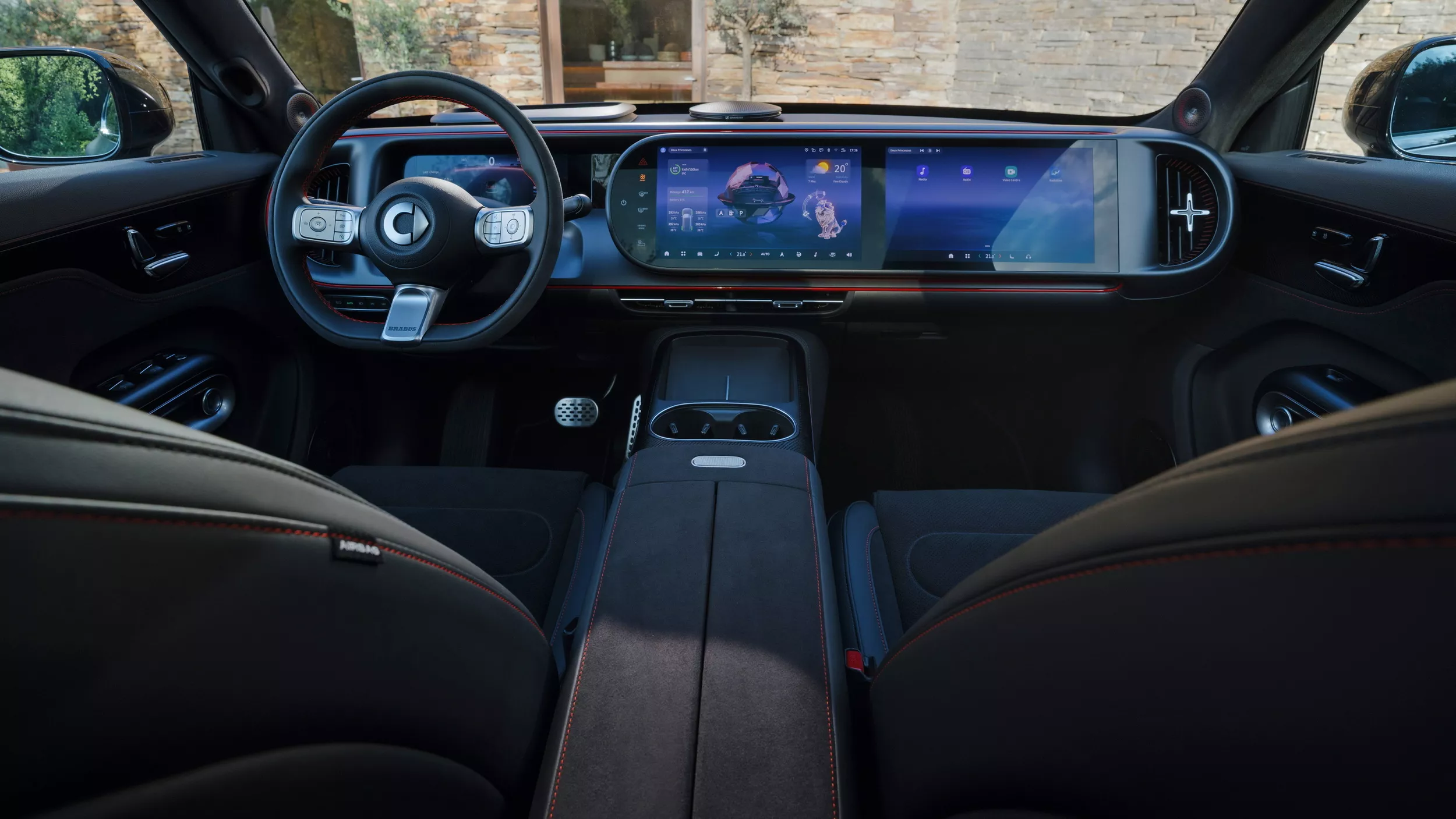
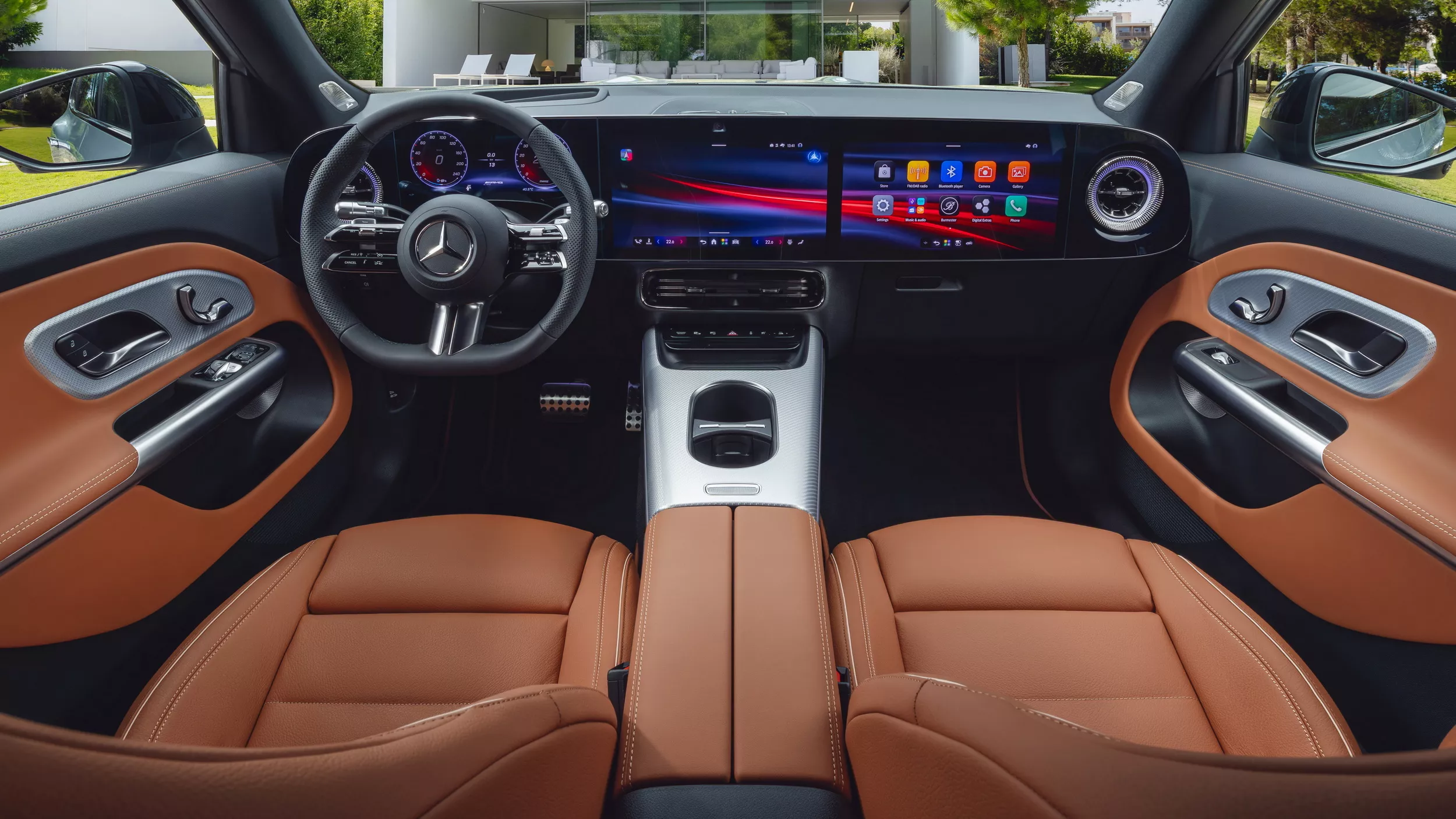
Inside, the similarities carry over, with both having the wide triple-screen layout with a 10.25-inch driver display. The infotainment systems diverge, though: Mercedes opts for 14-inch screens, while Smart goes with two 13-inch displays in an oval frame. The vents, center console, cupholders, and toggle switches are all different, but I doubt many would notice if you switched them.
The steering wheels even look like siblings, with Mercedes dressing their version up in a dual-spoke fashion. The usual differences from Mercedes come in with that optional third row, of course.
A lot of this design mirroring has to do with a single name: Gorden Wagener, the chief design officer in charge of both Mercedes and Smart design. With a single person in charge of the look of both brands, it makes sense they’d end up speaking a similar visual language. It’s not laziness or lack of imagination - it’s just part of the plan.
For context, the new GLB runs on Mercedes’ MMA platform and is available in electric and mild-hybrid forms, with 268–349 hp and an 85 kWh battery. The Smart #5, meanwhile, uses Geely’s SEA platform and offers either a full EV or a range-extender setup, making between 335 and 637 hp with either a 76 kWh or 100 kWh battery. The GLB is slightly longer, the Smart is wider and taller, and the Smart’s wheelbase is only a hair longer.
Okay, so you’ve seen the overlap and the differences… what do you think?