A “Clean” Used Car Can Still Ruin Your Life, and VIN Tracing Is How You Find That Out Before It Does
by AutoExpert | 7 July, 2026
A used car can look completely fine and still be lying to you. That is the uncomfortable truth behind a lot of “great deals.” The paint shines. The interior smells normal enough. The seller seems calm. The photos look clean. Maybe the mileage even seems right. But none of that tells you what the car was before it landed in front of you. Flood car. Theft recovery. Salvage rebuild. Bad crash. Odometer rollback. Title mess. Ownership nightmare. The only way to start separating a decent used car from a very polished mistake is to trace the VIN.
That is what VIN tracing is really about. Not decoding a few letters for fun. Not admiring how organized the federal government got in 1981. It is about taking the one piece of information every legitimate car is supposed to carry, that 17-character VIN, and using it to pull the vehicle’s history into the light before you buy something you later regret.
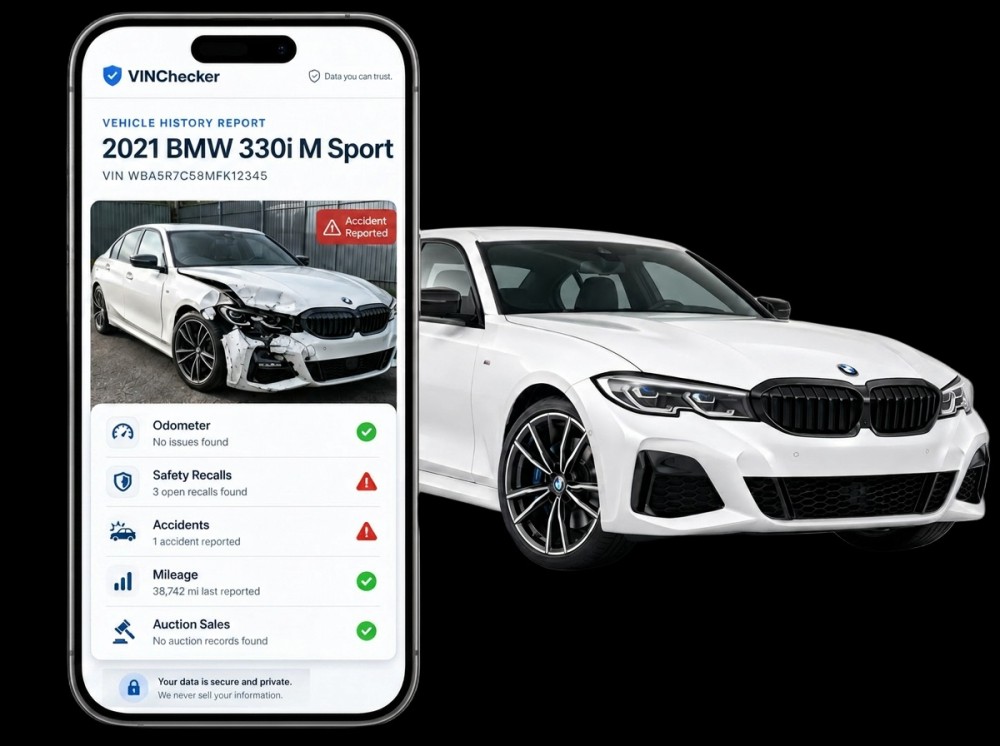
And yes, it matters that much.
Because once you skip that step, you are not really “taking a chance.” You are volunteering to find out later whether the car had a past bad enough to affect safety, insurance, financing, registration, or resale. That is a stupid place to be if the information was available before money changed hands.
The VIN itself is basically the car’s fingerprint. It tells you who made it, where it was built, what type of vehicle it is, what engine family it belongs to, what year it is, what plant it came from, and whether the number itself makes sense mathematically. That last part matters more than most people realize, because the check digit in the VIN is one of the easiest ways to catch a number that has been tampered with. If it does not line up, something is wrong. And when something is wrong with a VIN, you should stop getting emotionally attached to the car immediately.
That is the first rule of this whole process, actually. The minute the paperwork starts looking strange, stop trying to talk yourself out of noticing it.
A proper VIN trace can tell you a lot. It can reveal whether the car has a branded title, whether it was reported stolen, whether it was declared a total loss, whether it bounced through salvage channels, whether the odometer history looks suspicious, whether recall work is still outstanding, and sometimes whether the car has a pattern of maintenance or repair issues that should make you think twice. None of that is theoretical. All of it can affect what the car is actually worth and whether you should be buying it at all.
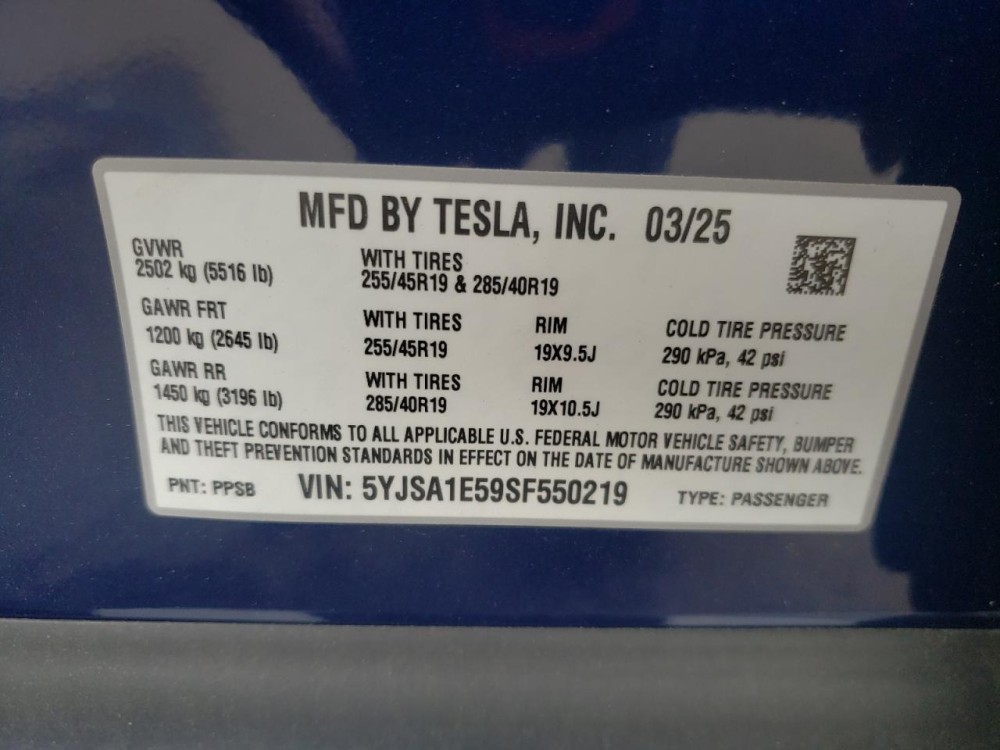
That is why the best place to start is with serious sources, not just whatever free decoder happens to rank first in search.
If you want real title and salvage data, you want an NMVTIS-approved source somewhere in the process, because that system pulls from state motor vehicle agencies, insurers, and junk and salvage yards. That is the heavy stuff. Tools like Carfax and AutoCheck can add more color around the edges, sometimes with maintenance entries, auction activity, and other useful breadcrumbs, but the main point is to layer your research, not trust one shallow lookup and call it a day. A free theft check is fine as one step. It is not the whole job.
And even then, a “clean” report should never make you relax too much.
That is one of the biggest mistakes buyers make. They run a report, see nothing horrifying, and decide the car must be clean. Not necessarily. Data can show up late. Smaller insurers and rural jurisdictions are not always quick or thorough. Cash repairs can disappear from the record completely. Some ugly truths never make it into a report at all. A clean history is helpful, but it is not a blessing from above. It just means nothing terrible showed up in that database at that moment.
That is why VIN tracing is a starting point, not the finish line.
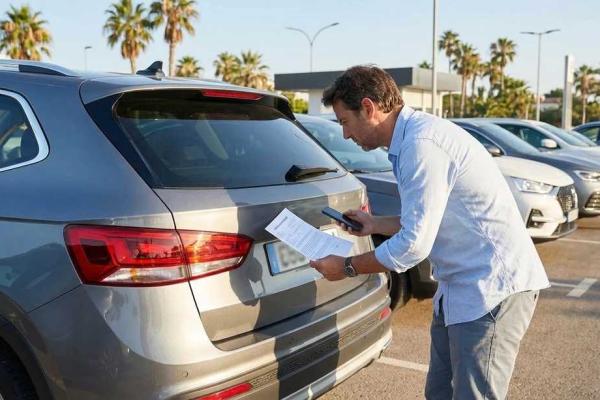
The other big reason this matters is fraud. Real fraud, not harmless listing sloppiness. Stolen cars get cloned with legitimate VINs copied from similar vehicles. Counterfeit VIN plates get attached. Numbers get altered. Sellers count on buyers being too flattered by the deal to inspect closely. That is why you compare VIN locations, not just the one visible through the windshield. Dashboard, door jamb, other stamped locations, whatever is accessible on that vehicle, they should match. The fasteners, rivets, and plate quality should look factory, not improvised. If they do not, walk away. No negotiation. No second-guessing. No “maybe there’s an explanation.” Let someone else inherit that headache.
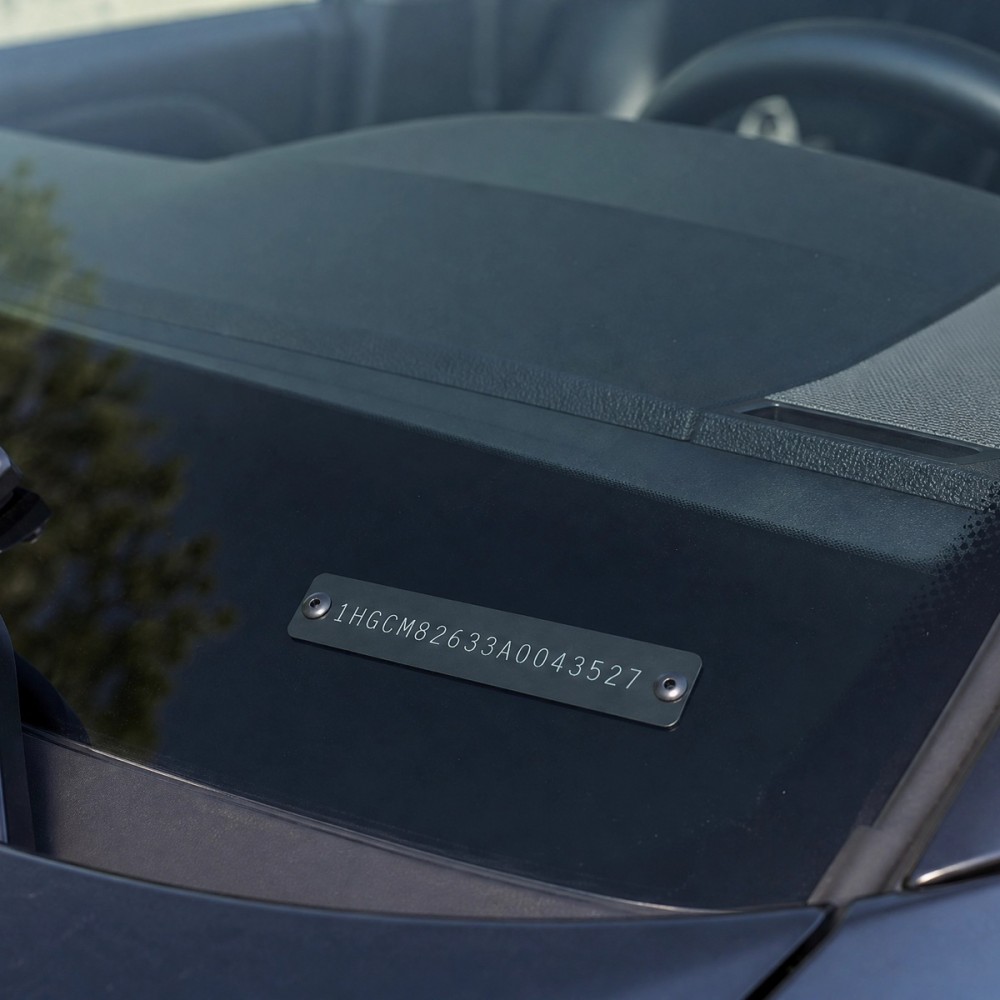
VIN tracing also matters because the consequences keep going after the sale.
Insurance companies care. Lenders care. DMVs care. Law enforcement definitely cares. A bad VIN situation can affect what coverage you can get, what rate you pay, whether financing is approved on favorable terms, and in worst-case scenarios, whether the vehicle can be seized. Imagine buying a car, insuring it, living with it for months, and then learning the VIN belongs to a different vehicle entirely and the one you bought is getting taken. That is not some dramatic movie plot. That is exactly why this homework exists.
Recalls are part of the picture too, and this is where buyers leave free value sitting on the table. A VIN lets you check open recalls directly, which matters because some serious fixes cost you nothing if they are still outstanding. Airbags, fuel pumps, braking hardware, electrical issues, all of that can be tied to the VIN. If the car needs recall work, you want to know before you buy it, not after you discover the seller quietly ignored three manufacturer notices and kept driving.
And yes, all of this affects value. Massively.
A car with a clean history, consistent ownership, and no title drama is worth more because it is safer to own and easier to sell later. A branded title, flood history, serious accident, or odometer problem can destroy value fast. Not just a little. Sometimes 30% or more, depending on what happened. That is why VIN tracing is not just about avoiding disasters. It is also about pricing reality correctly. If the history is ugly, the price needs to reflect that. If the seller will not move after you show them the problem, you do not have a negotiation problem. You have a walking-away opportunity.
That is the bigger point here. VIN tracing is not paranoia. It is basic adult behavior in a used-car market where too many vehicles are sold on vibes, selective memory, and incomplete information.
A car is not what the seller says it is. It is what the VIN history, title data, recall record, inspection, and paperwork say it is.
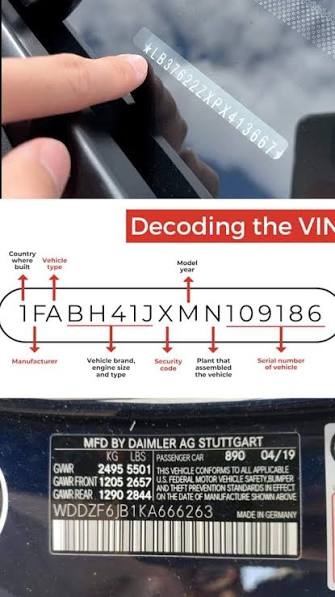
That is the standard. And if that sounds like overkill, wait until you meet someone who skipped it and ended up owning a flood car with a rebuilt title and electrical issues that never stop. Suddenly spending a little extra time tracing a VIN starts sounding a lot less obsessive and a lot more sane. Because it is.