Your Next Car Might Know About a Crash Before You Do
by AutoExpert | 22 April, 2026
Most people think of a car as something that reacts to what is right in front of it. See the brake lights, then brake. See the danger, then respond.
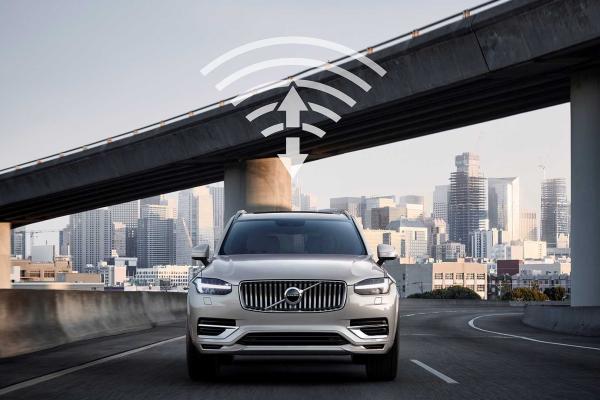
V2X changes that whole idea.
It lets a car know things before the driver possibly could. A hard brake up the road. A car coming fast through an intersection. A traffic signal about to change. Even, in some setups, a pedestrian just out of sight. The car is not guessing. It is getting live information from the world around it. That is why people keep calling it a kind of sixth sense for vehicles, and honestly, that is not a bad way to describe it.
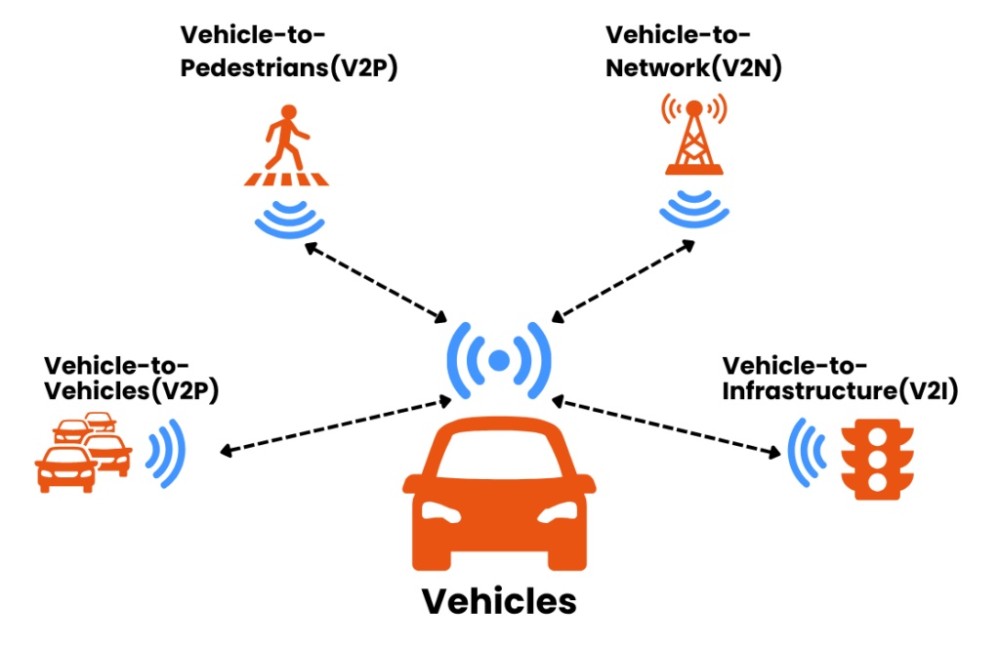
The part people talk about most is V2V, vehicle-to-vehicle communication. Cars equipped with it can broadcast things like speed, direction, and braking status to nearby vehicles. NHTSA described this kind of communication as a way to support crash-avoidance applications such as Intersection Movement Assist and Left Turn Assist, both aimed at warning drivers before they get into some of the most common and dangerous collision scenarios.
And the potential safety upside is not small.
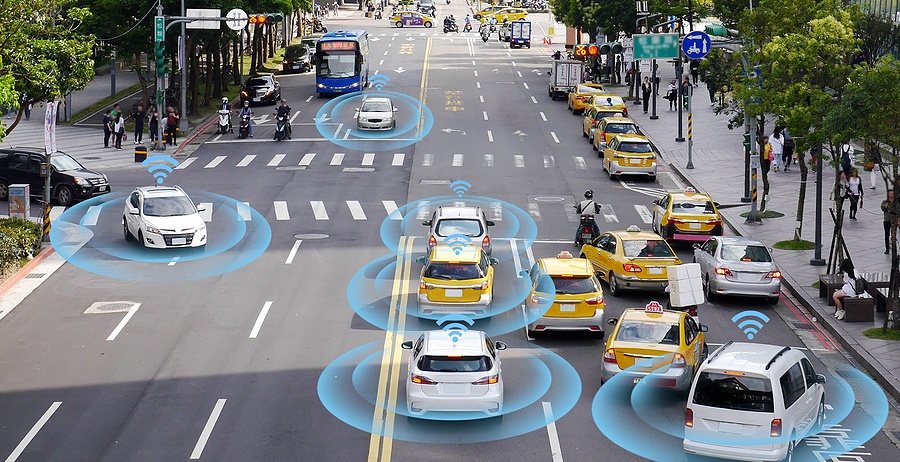
In its long-running work on V2V, NHTSA said those two applications alone could help address a substantial number of crashes once the technology is broadly adopted. The broader dream around V2X has always been that the more cars, roads, and systems start “talking,” the smarter and safer the whole traffic environment gets.
Then there is V2I, vehicle-to-infrastructure, which is less flashy to talk about but maybe even more useful day to day. That is where the car starts communicating with traffic lights, road systems, and connected infrastructure. Done well, that means fewer surprises at intersections and smoother traffic flow, not just more warnings.
There is also V2P, vehicle-to-pedestrian, which gets especially interesting in cities. The basic idea is that a connected car could become aware of a pedestrian or cyclist before the driver has a clear line of sight. That is exactly the kind of thing traditional human awareness is bad at when visibility is blocked.
This is not all theoretical anymore, either.
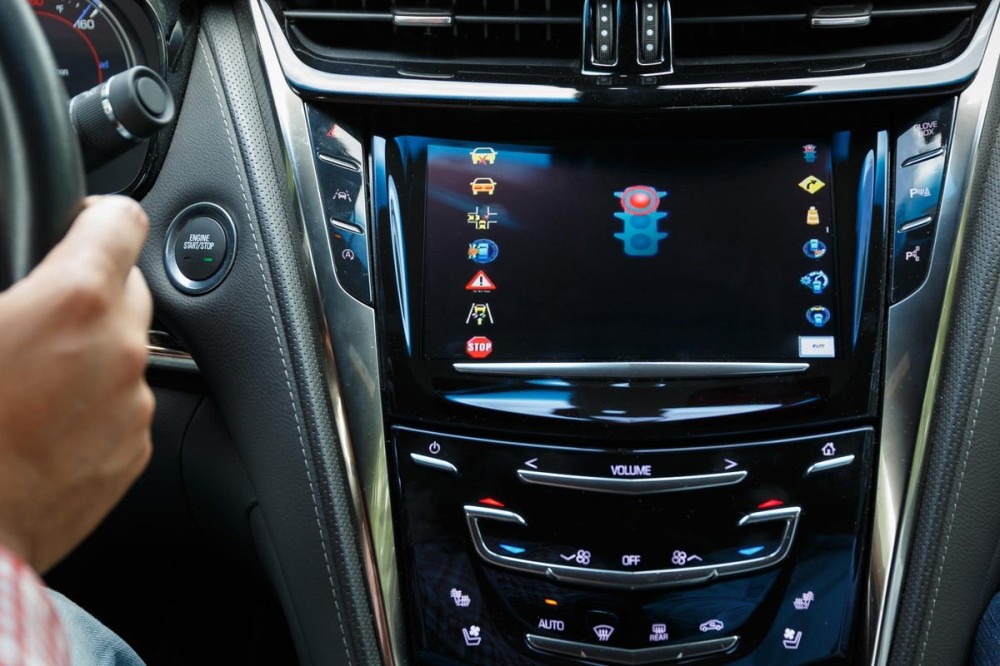
GM said back in 2017 that it became the first automaker to introduce advanced V2V communications on the Cadillac CTS, specifically positioning it as a first step toward a more connected safety future. Toyota has also been talking publicly for years about connected and cooperative vehicle technologies in Japan, where the groundwork for this kind of system has been developing for a while.
The reason it has taken so long to feel real is simple. V2X gets better the more of the system actually has it. One car talking is interesting. Lots of cars talking, alongside roads and signals that can answer back, is when the whole thing starts becoming powerful.
That is where cellular V2X, or C-V2X, enters the picture. Qualcomm has been pushing that route for years, describing it as a system that supports direct short-range safety communication while also working alongside 4G and 5G networks for broader connected services. In other words, it is not just “cars on the internet.” It is cars sharing safety-critical information directly while also tapping into the wider network when needed.
That matters because it makes the rollout feel a lot more practical than older visions did. It is easier to imagine more automakers adopting it when it fits into the communications ecosystem that already exists.
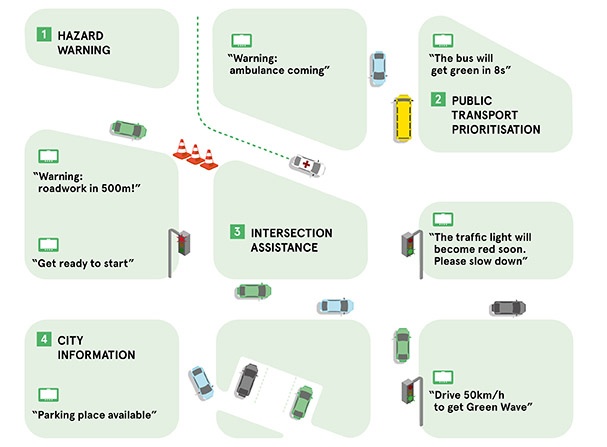
So no, this is not science fiction anymore.
It is still uneven, still growing, and still dependent on more vehicles and infrastructure joining the network. But the core idea is already here: the next generation of cars will not just “see” the road. They will be listening to it too.
And that could be the kind of safety shift people only fully appreciate after it quietly prevents the crash they never even saw coming.