
If Volkswagen Gets Spun Off From Volkswagen Group, It Would Be Way Bigger Than a Corporate Reshuffle
by AutoExpert | 7 July, 2026
Volkswagen leaving Volkswagen sounds like a joke somebody makes halfway through a bad business-school case study. But the fact that people are even asking the question tells you how strange things have gotten.
For years, the VW brand had a pretty reliable safety net. If things were messy in one market, there was usually enough volume somewhere else to soften the blow. Maybe the U.S. was disappointing again, maybe one product launch came late, maybe pricing was off, maybe the lineup was missing something obvious, but the broader machine kept moving. Europe mattered. China mattered. South America mattered. The group was huge, and being huge covers up a lot of weakness for a long time.
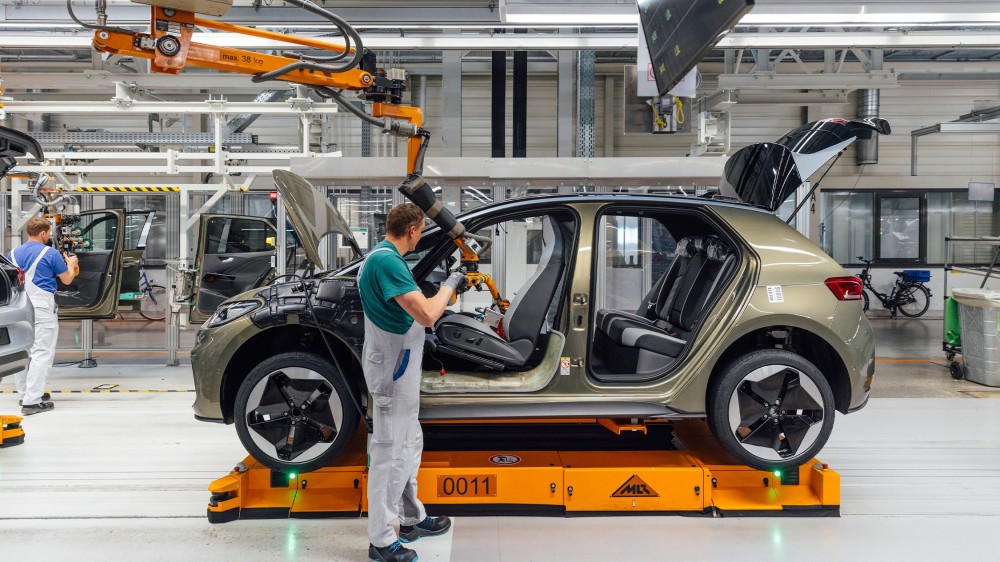
That is much harder to do once the weak spots stop being isolated.
And that is basically where Volkswagen Group finds itself now. China is not bailing it out the way China used to. Europe is not as comfortable as it used to be. The cost structure looks heavier. The competition looks meaner. And suddenly the idea of slicing pieces off the empire, something that would have sounded unthinkable when things felt more stable, starts becoming the kind of thing people discuss seriously in meeting rooms.
That is why the thought of spinning off the VW brand no longer feels completely absurd.
It still feels drastic. But not absurd.
And that difference matters.
Because if Volkswagen the brand were ever separated from Volkswagen Group, it would not just be some dry corporate event that investors and German business papers care about. It would be one of those moves that sends questions everywhere at once. Dealers would start wondering what support looks like. Suppliers would start wondering who still has leverage. Other brands inside the group would start wondering what gets shared, what gets cut, and what gets more expensive. Customers probably would not feel it overnight, but eventually they would. You cannot start tearing at the center of a giant industrial structure without the edges noticing.
That is the big thing here. Volkswagen is not just another badge sitting quietly inside the group. It is the namesake. The volume brand. The middle of the web. When people hear “Volkswagen Group,” they are not picturing Bentley first. Or Lamborghini. Or even Audi. They are picturing Volkswagen. So if that brand itself becomes the part that gets pushed outward, the symbolism alone is brutal.
It would be like the family deciding to move the house out of the house.
And the practical damage could be worse than the symbolism.
Because brands inside these giant groups do not just share logos on org charts. They share engineering, components, platforms, development budgets, supplier relationships, manufacturing logic, and all the invisible background stuff normal buyers never think about when they walk into a dealership. That is what makes a spin-off so much messier than people imagine. You are not just separating a brand. You are separating a system.
That is where it starts getting expensive.
And if Volkswagen had to stand more on its own, especially while already under pressure, the first place many people would expect to feel it is the product itself. Maybe not immediately. Maybe not next month. But over a few model cycles? Absolutely. The stuff buyers notice later, interior quality, component choices, how often updates arrive, how much flexibility the U.S. lineup gets, how pricing shifts, how clearly the brand knows what it is trying to be, all of that can start moving once the old group support structure changes.
That is one of the more awkward truths behind this whole idea. A spin-off can sound clean in theory, like a bold, decisive move. In reality, it often means a lot of uncertainty before anything gets cleaner.
And Volkswagen does not exactly strike you as a brand sitting on extra margin for chaos right now.
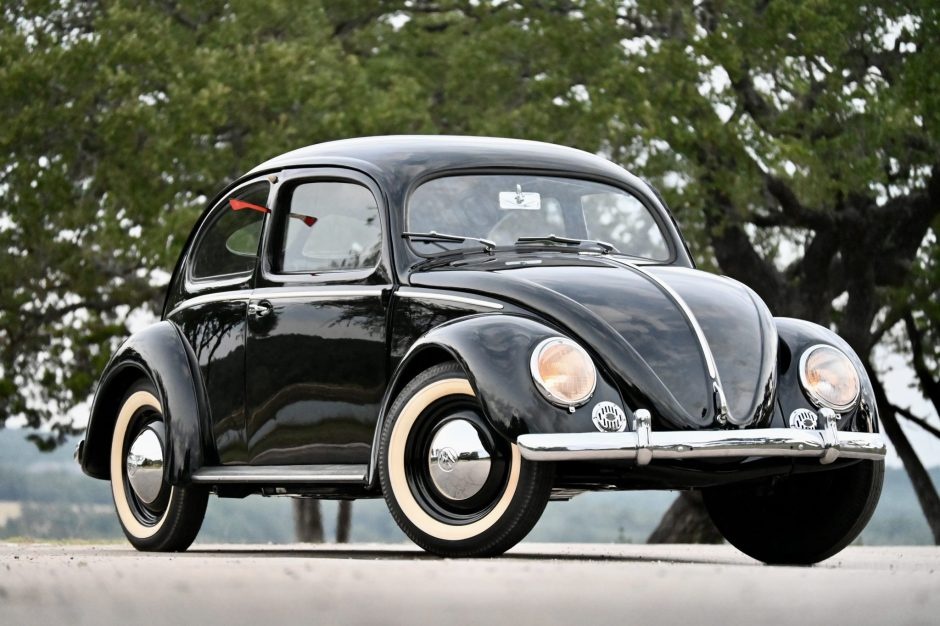
That is especially true in the U.S., where VW has spent decades being weirdly easy to admire and oddly difficult to buy in large numbers. Americans still have affection for certain chapters of Volkswagen history. The Beetle. The old Microbus. The GTI. The whole “smart European alternative” thing. That emotional equity never disappeared completely. But turning that into consistent modern sales has been a much harder trick. Too expensive in some moments, too late in others, not enough product where the market was going, too much reliance on hoping the brand’s old charm would keep doing heavier lifting than it really could.
If the VW brand had to navigate the future with fewer resources and more independence, that problem probably gets worse before it gets better.
And that is why the spin-off idea feels both possible and ominous at the same time.
Possible, because big industrial groups under pressure always start thinking in harsher ways than they do during easier years. Ominous, because once you start pulling at the central brand, you are admitting the strain has reached a very serious point.
Of course, there is always the optimistic version of this story. Maybe separating the brand gives it focus. Maybe it stops trying to carry everyone else’s weight. Maybe it becomes leaner, clearer, more disciplined, and somehow more itself. That is the dream every spin-off story tries to sell. Free the unit, sharpen the mission, let each side breathe.
Sometimes that happens.
Sometimes the opposite happens, and everyone just gets poorer, meaner, and less capable in slightly different ways.
That is why this is not really a story about whether Volkswagen can be spun off from Volkswagen Group. Of course it can. Anything can be spun off if the pressure is high enough and the board gets desperate or convinced enough.
The real question is whether Volkswagen the brand is actually stronger standing alone than it is as the struggling center of a very large, very stressed machine.
And that answer is a lot less obvious.
Because if the core brand has already become the weak link inside its own empire, independence is not automatically freedom. Sometimes it is just exposure.