That Cheap Tire Fix Might Get You Home, But It’s Not the One I’d Trust at 75 MPH
by AutoExpert | 29 June, 2026
A flat tire has a special talent for ruining your mood instantly.
It never happens when you are relaxed and free all afternoon. It happens when you are late, already annoyed, parked somewhere terrible, or halfway through a long drive thinking things were finally going smoothly. Then the warning light comes on, the car starts feeling wrong, and suddenly your entire life narrows down to one stupid little hole in a tire.
That is when people start throwing around the words plug and patch like they are basically the same thing.
They are not.
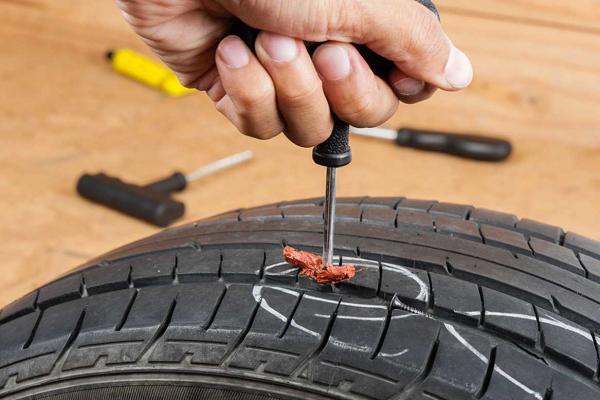
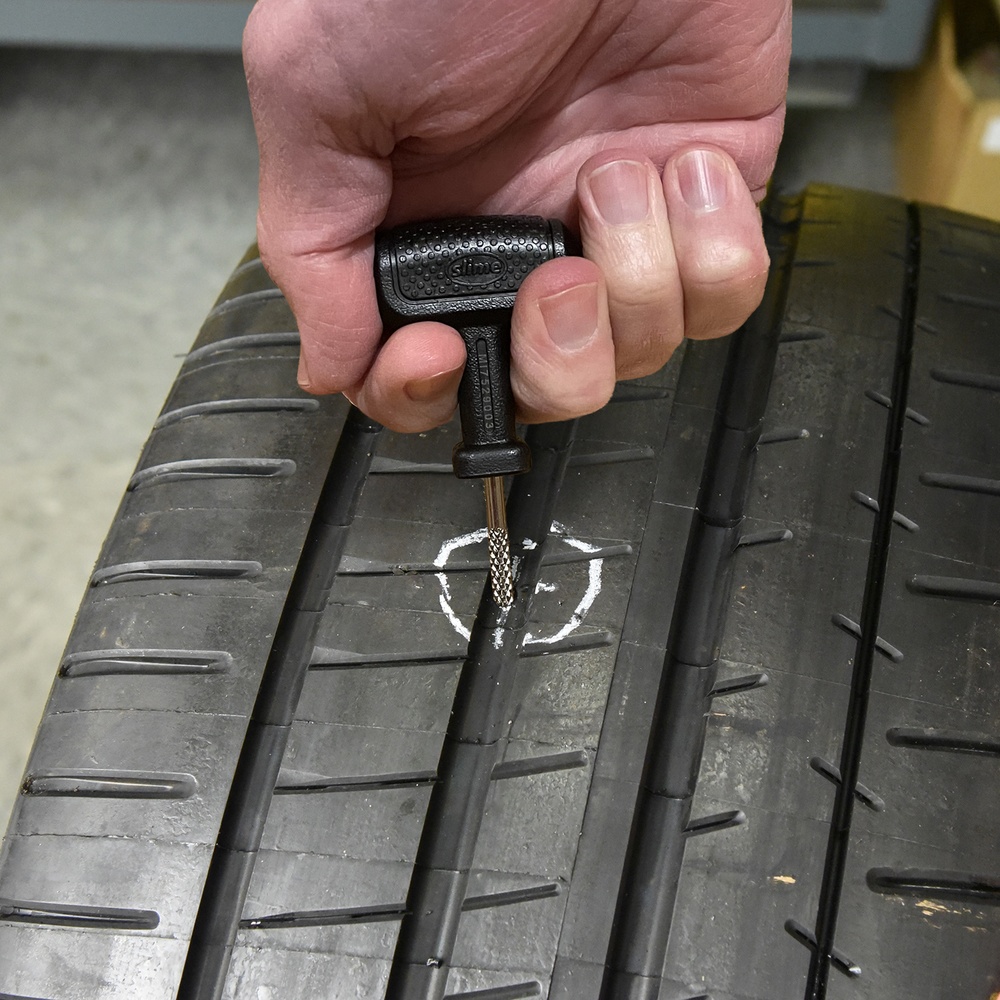
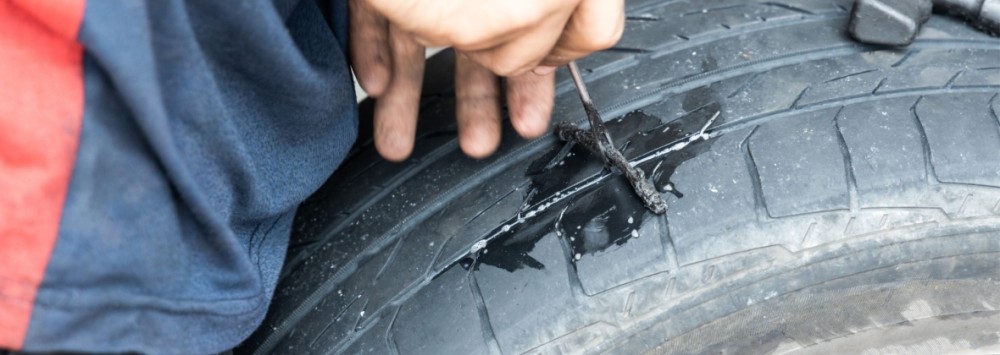
A tire plug is the fast, scrappy, “just get me out of here” solution. It is the one most people know because it feels simple and heroic. Pull the nail out, jam in the sticky string, air it back up, and convince yourself you have beaten the system. And to be fair, sometimes a plug does save the day. If you are stranded, or trying to get off the side of the road without losing your mind, a plug can absolutely be useful.
But useful and ideal are not the same thing.
A plug is really just dealing with the hole from the outside. It is not telling you what kind of shape the inside of the tire is in. It is not checking whether the tire got damaged while it was low. It is not giving the whole thing some beautiful second life. It is a practical little roadside fix, and that is fine. The problem starts when people want to treat that emergency move like some kind of forever answer.
That is how you end up trusting a very temporary victory way more than you should.
A patch is a different animal. With a patch, the tire actually comes off the wheel. Somebody gets to look inside it. That matters. A lot. Because once the tire is open, you can see if the damage is really just a clean little puncture in the tread, or if the tire has already started getting hurt in ways the outside never showed you. If the inside looks good and the puncture is in the right place, then a patch starts becoming a real repair instead of a hopeful gesture.
That is why a patch is the more serious fix.
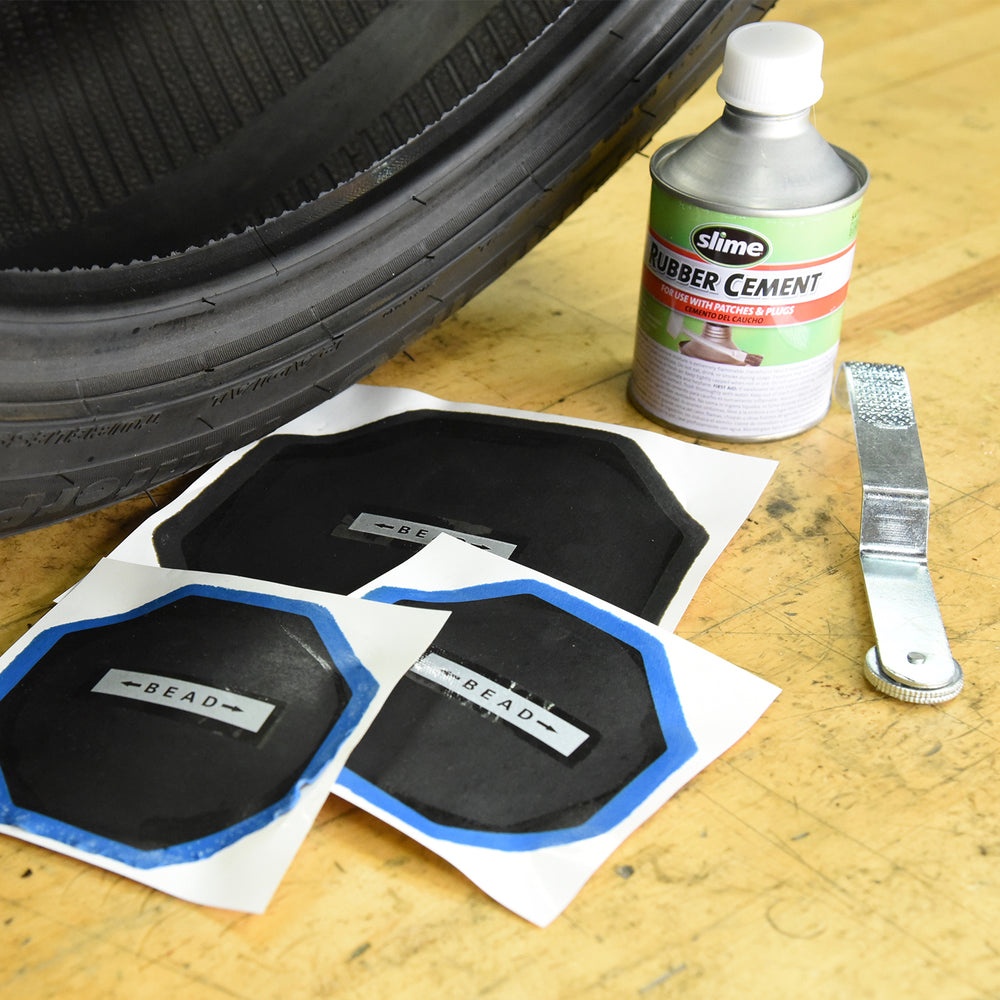
But even then, a basic patch by itself is not the best version of the story either. Because while it seals the inside, it does not fully address the actual path the object took through the tread. That little tunnel is still there. Moisture and junk can still find their way into places you would rather keep sealed off. So if you want the repair that people in the tire world tend to trust the most, you are really talking about the combination fix: the plug-patch.
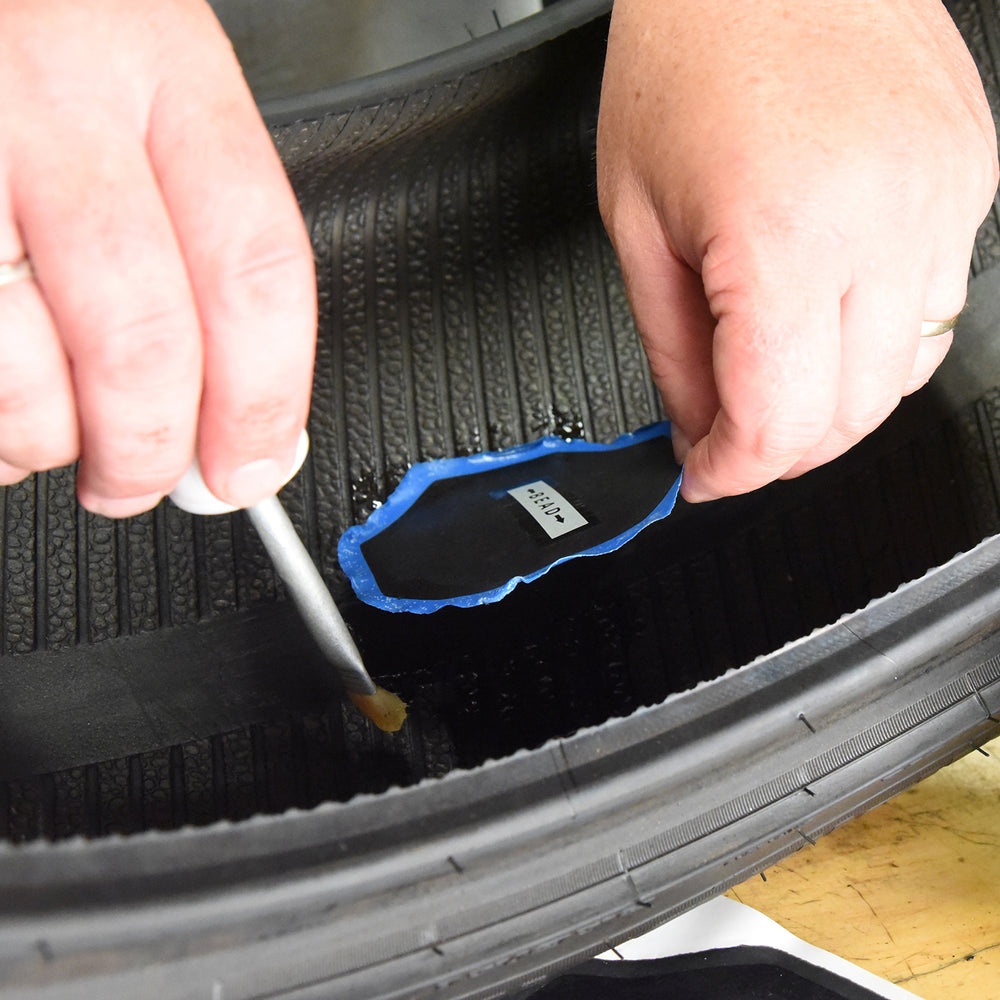
That is the one that actually does the whole job.
It plugs the puncture path and patches the inside. It handles the hole itself and the inner liner. In plain English, it is the version that feels least like crossing your fingers and most like actually fixing the thing.
And yes, it costs more.
Of course it does. The tire has to come off. It has to be inspected. The repair takes more effort. Somebody has to actually do it properly instead of stabbing a sticky string in there and sending you back into traffic with a smile and a receipt. But that extra cost usually looks a lot less annoying when you remember what is riding on those four tires in the first place.
People get very weird about tire repair prices.
They will spend absurd amounts of money on coffee, phone upgrades, or random nonsense for the car, then suddenly become philosophers about saving twenty bucks when the subject is the only thing between them and the road. It is strange behavior. A proper repair is not where I would get experimental with my budget.
Now, there is a hard limit to all of this, and this is the part that matters most: not every tire should be repaired.
If the hole is in the sidewall, stop.
If it is too close to the edge, stop.
If the damage is ugly, angled, torn, too big, or the tire was driven flat long enough to start damaging the structure, stop.
That tire is not asking for a plug or a patch. It is asking to be replaced.
This is where people get themselves into trouble, because they do not want the answer to be “new tire.” So they start negotiating emotionally with the laws of physics. Maybe it is just a little close to the sidewall. Maybe the hole is a little weird, but probably fine. Maybe the tire was low for a while, but it still kind of looks okay.
No.
Tires are not the part of the car where “probably fine” should be your working standard.
So which repair method will not leave you stranded?
If we are being honest, the plug is the move you use when you need to keep your day from falling apart immediately. It can be incredibly useful. It can absolutely get you home. But if what you want is the repair you would actually trust afterward, the one that feels like a proper answer instead of a temporary save, it is the plug-patch. That is the one I would want. That is the one most tire professionals would want. It is more work because it is more repair.
And that is really the whole point.
A plug is a rescue.
A patch is a repair.
A plug-patch is the repair that actually takes the whole problem seriously.
When the tire can be safely fixed, that is the version worth paying for.
Because “it held air for now” and “I trust this on the highway” are not the same sentence.