The Heavy Truth: Why Your 2026 Car Probably Has an Aluminum Hood

by AutoExpert | 26 January, 2026
Cars are getting heavier every year, and there's no sign of it stopping. The EPA has been tracking this since the early '80s, and new vehicles just keep adding more weight. Electric batteries, safety features, tech packages... it all adds up fast.
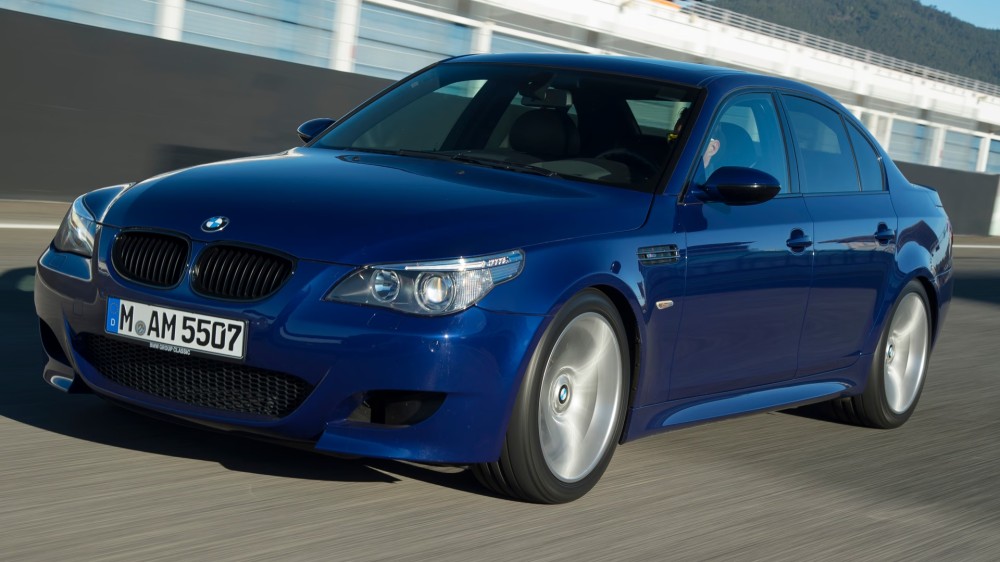
Performance cars aren't escaping this either. Look at the BMW M5. Back in 2005, even with that beast of a V10 engine, it weighed 3,869 pounds. The 2025 model? A whopping 5,390 pounds. That hybrid battery pack is mostly to blame. So yeah, automakers are hunting for ways to trim fat without cutting corners on safety.
Swapping steel hoods for aluminum is one trick they're using. But a hood does more than just sit there looking pretty. It needs to be durable, affordable to fix, resistant to rust, and perform well in a crash. Plus there's pedestrian safety to consider. A hood that's 4 inches taller makes injury risk jump by 22%. Wild, right?
Why People Love Aluminum Hoods
The Department of Energy says aluminum can be anywhere from 10% to 60% lighter than steel. A regular steel hood on a sedan weighs maybe 30 to 60 pounds. Pickups can go over 70. Switch to aluminum and you're dropping a decent chunk of weight.
Now, you might think a few dozen pounds won't matter much. But it does, because of where that weight sits. The hood is up high on the car, so it messes with the center of gravity. Drop that weight with aluminum and the whole car feels more nimble and responsive. Since most engines live up front anyway, losing weight there helps balance the car better front to rear.
There are other perks too. Better gas mileage, easier on the front suspension, and it helps cancel out those massive batteries in newer electric and hybrid cars. Every little bit counts when you're trying to keep weight down. Mazda's whole Gram Strategy is built around this idea.
Steel Keeps Things Simple and Cheap
Okay, so aluminum sounds great. But what about the price tag? PW Consulting says automotive aluminum runs about two to three times what steel costs. You're looking at $2.50 to $3.50 per kilogram for aluminum versus $0.80 to $1.20 for good steel. Some exotic stuff, like those milled aluminum panels on a Bugatti Veyron, costs an absolute fortune.
Then there's the repair side of things. Any body shop can work with steel. Aluminum? Not so much. You need special tools, and getting it back into shape after a dent is trickier. The Insurance Institute for Highway Safety checked repair costs on Ford F-150s and found the aluminum body version cost 26% more to fix after a small accident compared to the steel version.
Time matters too. Aluminum repairs take 20% to 40% longer because of how you have to rivet it, its lower melting point, and just needing more precision overall. Painting it can be a pain since aluminum cracks easier when paint cures. Insurance companies know all this, so don't be surprised if premiums creep up on aluminum-bodied vehicles.
Tough vs. Rust-Proof
Steel is about three to four times stronger than aluminum. It shrugs off small dents and handles minor crashes better. Problem is, once that protective coating gets scratched or chipped, rust becomes a real issue. Aluminum doesn't really rust the same way, but it's definitely easier to dent.
If you've got a truck bed, steel makes way more sense. It takes a beating better and handles heavy loads without complaint, even if it weighs more and might rust eventually. For pedestrian safety, aluminum usually wins, though a lot depends on how the whole hood is designed and engineered.
Steel bends easier, which actually helps it last longer under repeated stress. Aluminum is stiffer and doesn't flex as well, so over the years it's more likely to develop fatigue cracks. Oh, and aluminum is noisier. It resonates more, so manufacturers have to add extra sound deadening material. If you want something custom shaped though, aluminum is definitely easier to mold into cool designs.

The Environmental Angle
Making aluminum takes a lot more energy, especially when you're forming complex shapes. The carbon footprint is bigger right out of the gate. There have been some troubling reports about aluminum mining for cars like the Ford F-150 Lightning causing real health problems for people living near mining operations in the Amazon. Thousands affected.
Here's the thing though. Recycling aluminum only needs about 5% of the energy it takes to make fresh aluminum. Steel recycling still uses around 30% of what virgin steel production needs. As car companies try to hit sustainability targets, recycling aluminum becomes a smart play.
Yeah, aluminum costs more and pollutes more upfront. But it's way cheaper to recycle and reuse later. Scrap aluminum also sells for more than scrap steel, if that matters to you.
So Which One Should You Pick?
There's no clear winner here. It depends what you care about. Chasing performance and better handling? Go aluminum. Worried about costs and keeping repairs affordable? Stick with steel. Just know what you're getting into either way.