This Renault’s Rear Wheels Didn’t Line Up, and the Factory Built It That Way
by AutoExpert | 2 November, 2026
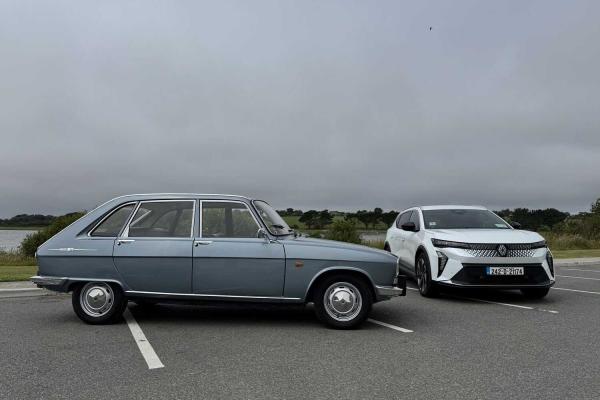
The Renault 16 had different wheelbases on its left and right sides because its transverse rear torsion bars were positioned one behind the other. The suspension arrangement staggered the rear wheels by roughly 7 cm. It was an intentional feature of the design.
A tape measure could make an innocent Renault 16 look rather suspicious.
Measure from the centre of the front wheel to the centre of the rear wheel, then walk around and repeat the exercise. The answers differ. Someone unfamiliar with the car might reasonably start looking for evidence of an old accident.
Renault built it that way.
The explanation sits underneath the rear of the car. Its suspension used transverse torsion bars, with the arrangement placing one rear wheel slightly ahead of the other. The FIA’s historic vehicle record gives the difference between the two wheelbases as 6.7 cm. Renault’s own museum rounds it to 7 cm.
A torsion bar performs the spring’s job by twisting as the wheel moves. On the Renault, packaging the bars across the car, one behind the other, produced that unusual difference between the sides.
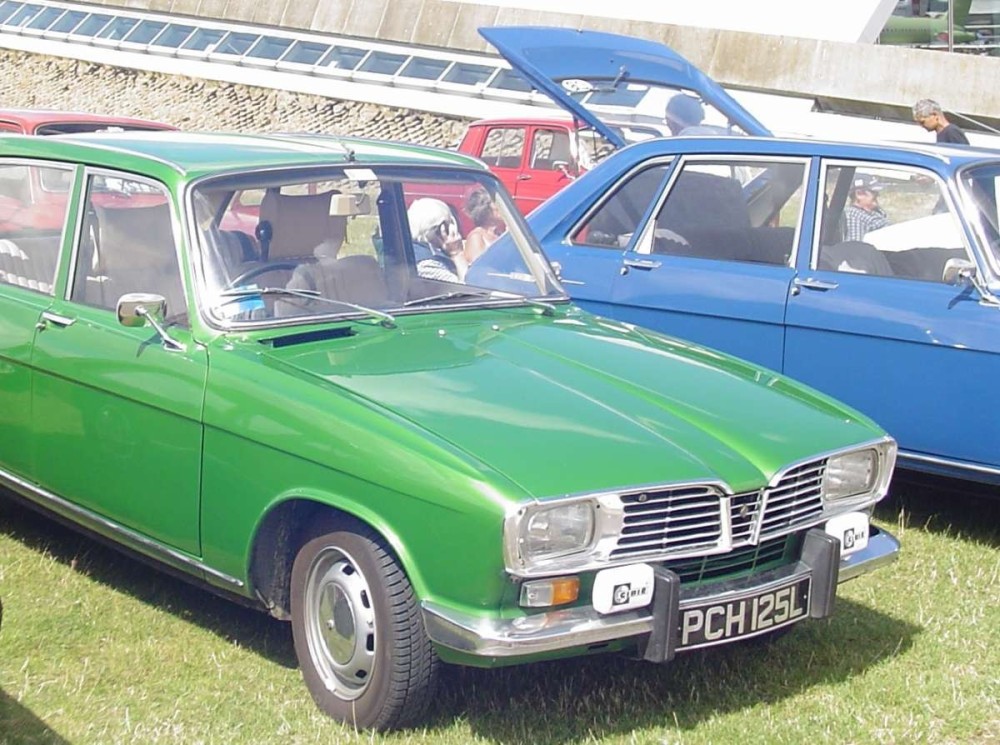
There was no requirement for the body to follow the same offset. Nor did staggered wheel positions mean the wheels were meant to point in different directions. Wheelbase describes the distance between the front and rear wheel centres; alignment concerns the wheels’ angles. They are separate measurements.
The odd detail beneath a practical car
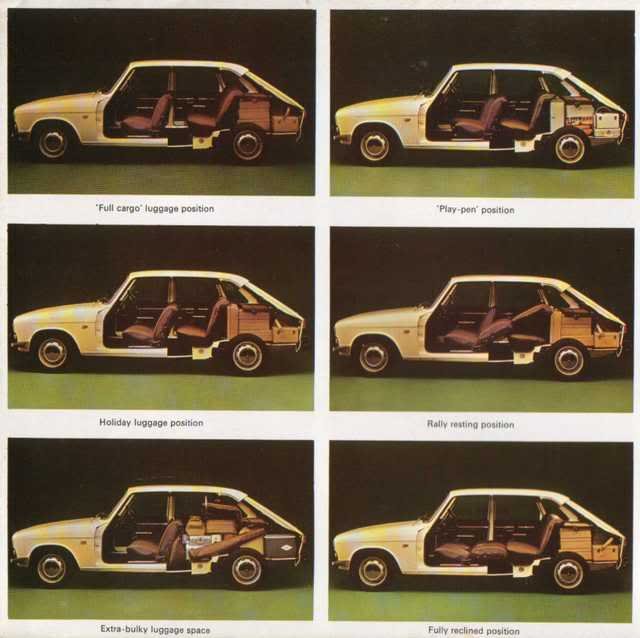
The Renault 16 arrived in 1965 with a much more visible unconventional feature: a large rear hatch. Its sliding and folding rear seat allowed owners to change the balance between passenger room and luggage space. The suspension’s asymmetry was less likely to dominate a showroom conversation.
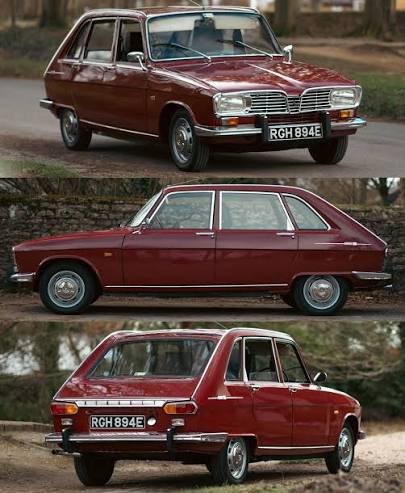
That is partly what makes it interesting now. The car looks reasonably conventional from a distance, and the offset is small enough to escape casual attention. Once someone points it out, though, photographs of the two sides invite a closer look.
For a buyer examining a surviving example, knowing the factory arrangement prevents one unnecessary alarm. It does not excuse damage, poor repairs or incorrect alignment. Those still need checking against the proper specifications, rather than against an assumption that every car must have matching wheelbases.
The R16 also shared this general characteristic with other torsion-bar Renaults, including the smaller Renault 4. It was a suspension solution the company used deliberately, not a one-off manufacturing curiosity.
It gives an otherwise ordinary walk around a classic Renault an extra task. Look at one rear wheel, then the other. The tape measure was telling the truth.