Premium Gas Sounds Better, but Your Car May Be Getting Nothing From It
by AutoExpert | 13 July, 2026
The word “premium” makes the expensive pump handle sound like the healthier choice. Better fuel, cleaner engine, more power. It is an easy assumption to make, especially when regular, mid-grade, and premium are lined up like good, better, and best.
Gasoline does not work that way.
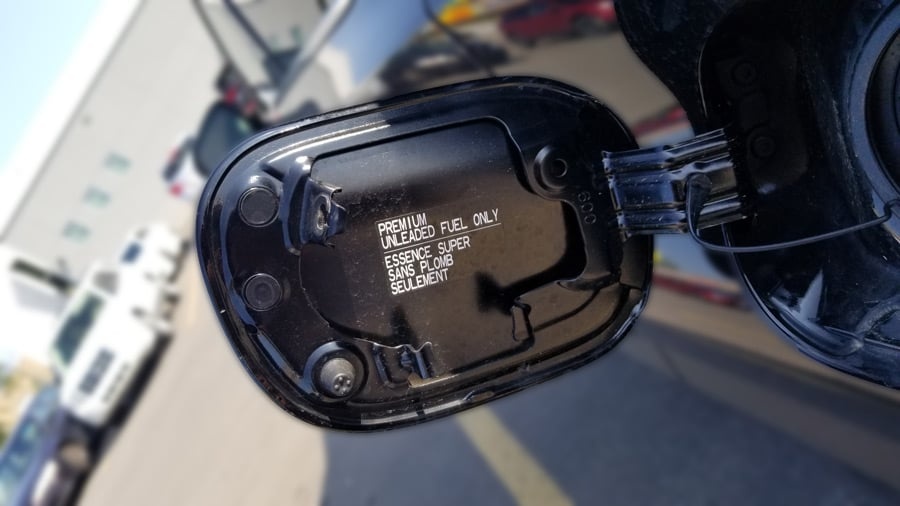
Putting premium gas in a car designed for regular fuel normally will not damage anything. It probably will not improve anything either. Unless the engine was engineered to benefit from higher-octane fuel, the extra money buys resistance to engine knock that the car did not need in the first place.
Premium gas is not simply better gas
The main difference between regular and premium gasoline is the octane rating. In most of the United States, regular is rated at 87 octane, while premium is usually 91 or 93.
Octane measures how well gasoline resists uncontrolled combustion inside the engine. Under high pressure and temperature, part of the fuel-air mixture can ignite before or outside the intended flame front. That creates the metallic pinging or rattling known as engine knock.
As the U.S. Energy Information Administration explains, uncontrolled combustion produces uneven pressure inside the cylinder and can place additional stress on engine components.
Higher-octane gasoline is more resistant to that unwanted combustion. It is particularly useful in engines with high compression ratios, turbochargers, or aggressive ignition timing. In an engine built to run comfortably on 87 octane, however, that additional resistance offers little practical value.
Will premium gas give a regular car more power?
Usually, no.
An engine can only take advantage of higher-octane fuel if its design and software allow it to adjust operating parameters accordingly. A regular-fuel engine may not have a more aggressive calibration waiting to be unlocked.
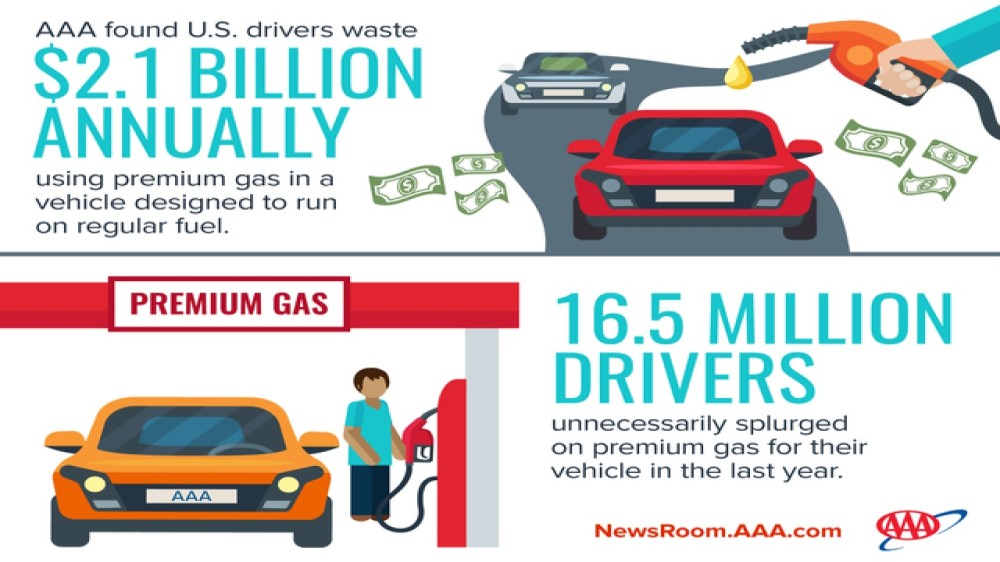
AAA tested regular and premium gasoline in vehicles designed for regular fuel and found no significant improvement in horsepower, fuel economy, or emissions. Its conclusion was straightforward: cars designed for regular gasoline generally cannot take advantage of the higher octane rating. AAA’s premium-fuel research recommends following the manufacturer’s instructions instead of assuming that a higher number is automatically better.
Premium gas does not contain extra energy simply because it costs more. It allows compatible engines to operate under conditions that can produce more power or efficiency.
“Recommended” and “required” do not mean the same thing
The language in the owner’s manual matters.
If premium fuel is required, the engine was designed around higher-octane gasoline. Regular fuel may force the engine computer to reduce ignition timing and performance to prevent knock. Continued use could also conflict with the manufacturer’s instructions.
If premium is recommended, the car can generally run on regular, but it may produce slightly less power or return slightly lower fuel economy under demanding conditions. The difference may become more noticeable during hard acceleration, towing, or hot weather.
If the car is designed for regular, premium is unlikely to provide a meaningful advantage.
Premium recommendations have become increasingly common as manufacturers use smaller turbocharged engines and higher compression ratios. The U.S. Department of Energy reported that premium was either recommended or required for more than half of light-duty vehicle configurations beginning with the 2018 model year.
Does premium gas clean the engine?
Octane and detergent quality are separate issues.
Premium fuel may contain a different additive package at some stations, but a higher octane number does not automatically mean superior cleaning ability. All gasoline sold in the United States must meet minimum detergent requirements.
Drivers concerned about deposits should look at fuel quality rather than octane alone. Gasoline meeting TOP TIER standards contains enhanced detergent additives across every grade sold by participating retailers. That means regular TOP TIER gasoline can be a better choice for a regular-fuel car than expensive premium purchased solely because of the name.
Can premium gas fix engine knocking?
It may reduce knocking in some situations, but it should not be treated as a repair.
Persistent pinging in a car designed for regular fuel can point to carbon buildup, overheating, an incorrect sensor reading, poor-quality fuel, or another mechanical problem. Filling the tank with premium might hide the sound without addressing its cause.
Modern engines use knock sensors and computer-controlled ignition timing to protect themselves. If a car suddenly begins knocking on the fuel it has always used, the change deserves attention.
Is it safe to mix regular and premium gas?
Yes, provided both fuels meet the vehicle’s requirements.
Mixing 87 and 93 octane produces a fuel with an octane rating somewhere between the two. Accidentally adding premium to a regular-fuel car does not require draining the tank. The car can be driven normally, and regular gasoline can be used again at the next fill-up.
The mistake that requires more care is putting regular gasoline into a vehicle that specifically requires premium. The owner’s manual should be checked before driving hard, towing, or placing the engine under heavy load.
The owner’s manual beats the price board
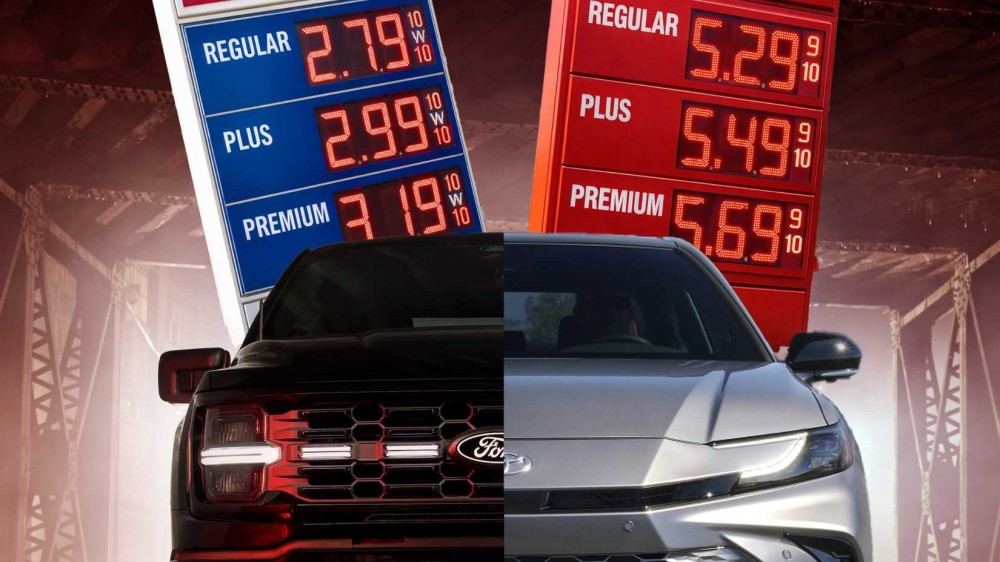
A regular-fuel car does not know that premium gasoline costs more. It only knows whether the fuel resists knock well enough for the engine’s design.
If the manual calls for 87 octane, use 87 with confidence. If premium is recommended, the choice can depend on driving conditions and whether the small potential performance benefit justifies the cost. If premium is required, treat that instruction as part of the car’s maintenance needs.
The best gasoline is not always the most expensive one. It is the one the engine was built to use.