
North Korea Has A Parking Problem Now, And Honestly Nobody Saw That Coming
by AutoExpert | 26 May, 2026
Of all the problems people expected North Korea to have in 2026, “there’s nowhere to park” probably was not high on the list. And yet here we are.
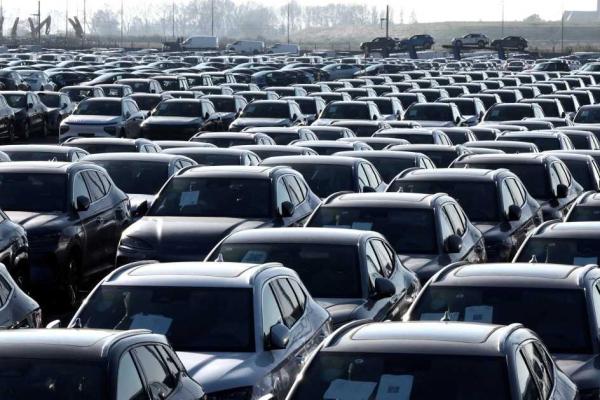
Apparently drivers in Pyongyang are now dealing with the exact same soul-draining experience people face outside stadiums, shopping malls, and Trader Joe’s parking lots everywhere else on Earth: circling endlessly looking for a spot while pretending not to lose their mind.
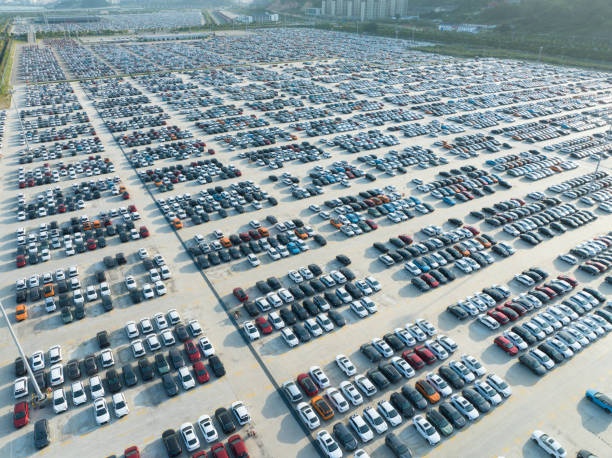
Which is... surreal, honestly, because this is a country that technically should not even have this many cars in the first place.
Back in the mid-2000s, after North Korea withdrew from the Nuclear Non-Proliferation Treaty and started testing nuclear weapons, the United Nations piled sanctions on the country hard. Luxury goods got banned. Oil imports got heavily restricted. Depending on how governments interpreted the language, imported cars were basically part of the crackdown too.
So in theory, the roads of Pyongyang should not exactly resemble rush hour in Los Angeles.
Except reality clearly missed the memo.
According to reporting from Reuters, private vehicle ownership inside North Korea has quietly exploded over the past few years, especially in the capital. And the parking infrastructure absolutely did not grow fast enough to keep up.
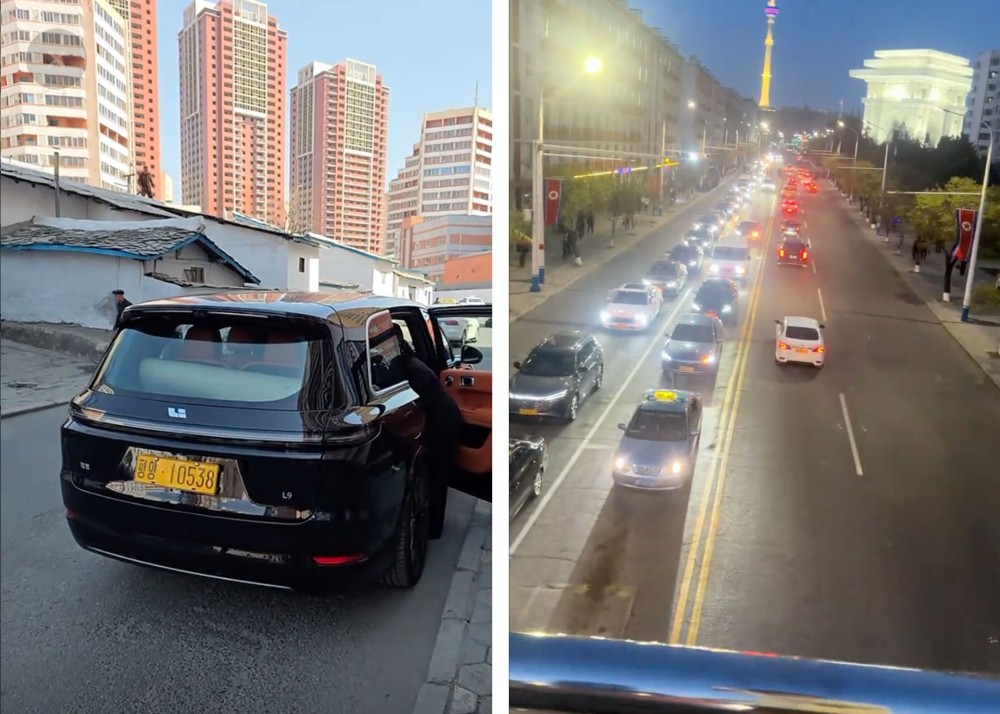
The funny part, if you can call it funny, is how familiar the whole thing sounds. Visitors reportedly describe informal parking attendants charging drivers for spots wherever they can squeeze cars in. Overflow areas. Makeshift parking management. Tiny underground garages getting treated like premium real estate.
Basically every downtown event parking nightmare, just with more geopolitical sanctions involved.
So where are all these cars even coming from?
Well... not officially.
Investigations over the last several years suggest a pretty elaborate gray-market pipeline moving vehicles across the Chinese border. Cars reportedly change hands multiple times through intermediaries before finally ending up inside North Korea. By the time they cross the border, tracing where they actually originated becomes almost impossible.
And the vehicles themselves are not exactly ancient beaters either.
Photos and videos from Pyongyang have shown everything from Chinese brands like Changan, Chery, and Geely to European luxury names including BMW and Audi. Both German automakers have publicly denied any involvement in supplying vehicles to North Korea, which makes sense considering the sanctions situation.
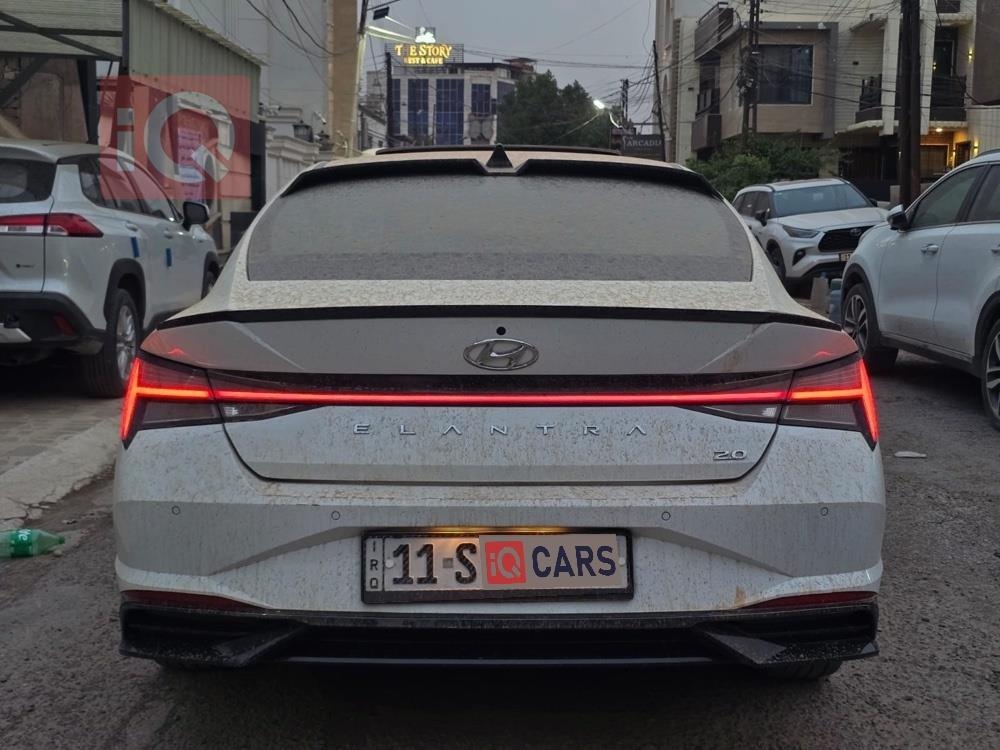
Still, the cars keep appearing.
One detail from the Reuters investigation is especially telling. Researchers noticed private North Korean license plates climbing into five-digit territory, with some reportedly showing numbers in the ten-thousands. Analysts now believe the total number of private vehicles in the country could approach 20,000 soon.
That may not sound huge by American standards. In somewhere like Houston, 20,000 cars is basically “Tuesday.” But for a country with limited fuel access, heavily controlled imports, and infrastructure that was never designed for large-scale private driving culture, it changes everything.
And honestly, there’s something strangely human about all of this.
No matter the political system, once enough people get cars, eventually everyone ends up arguing over parking. Civilization apparently always arrives at the same destination: somebody sitting in traffic muttering “you’ve got to be kidding me” while waiting for a spot to open up.
The difference is that in North Korea, the parking shortage itself has quietly become evidence of a much bigger story happening underneath the surface. More money moving around. More unofficial trade. More private ownership. More cracks in systems that were supposed to tightly control all of it.
Not bad for a parking problem.