These Cars Quietly Drain Their Owners’ Bank Accounts
by AutoExpert | 17 May, 2026
Some cars ask for oil changes and maybe a fresh set of tires once in a while.
Others behave like they’re actively trying to financially punish you for owning them.
And the dangerous part is that you usually don’t find out until after the honeymoon phase wears off. The test drive feels great. The dealership coffee tastes suspiciously expensive. Everything smells like leather and optimism. Then six months later the dashboard lights up like a Christmas tree and suddenly you’re Googling whether a transmission really costs twelve thousand dollars.
Spoiler: sometimes it absolutely does.
The most expensive cars to maintain aren’t always exotic supercars either. Sure, Bentleys and Range Rovers can generate repair invoices that look medically concerning, but plenty of regular-looking SUVs and crossovers quietly rack up brutal ownership costs too.
Take the Jeep Wagoneer.
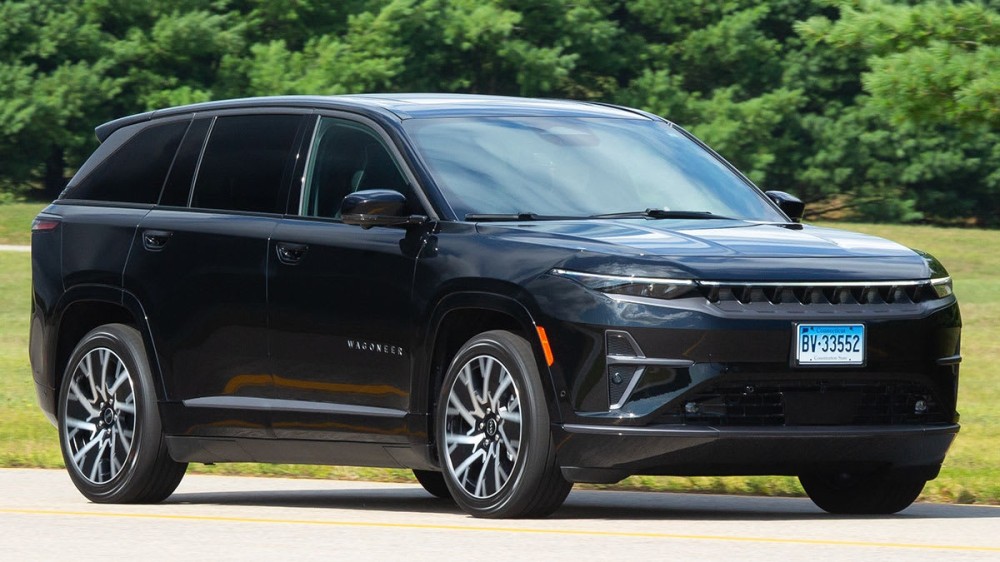
Beautiful truck. Huge presence. Looks like the kind of SUV successful people park outside modern farmhouses with black garage doors. But once things start breaking? Oof. Air conditioning repairs alone can turn into multi-thousand-dollar adventures, and electrical issues seem to follow some owners around like ghosts. Big vehicles also mean bigger labor bills because everything takes longer to access, remove, or fix.
Then there’s the GMC Terrain and the Chevrolet Equinox, which are sneaky because they initially seem relatively affordable to own. Until the expensive stuff starts showing up.
That’s really the trap with a lot of modern crossovers. The routine maintenance feels manageable, then one electronic module, turbocharger, or transmission issue suddenly arrives carrying a four-digit invoice like it’s delivering bad news personally.
And honestly, nobody has damaged their own reputation faster in recent years than Nissan with those CVT transmissions.
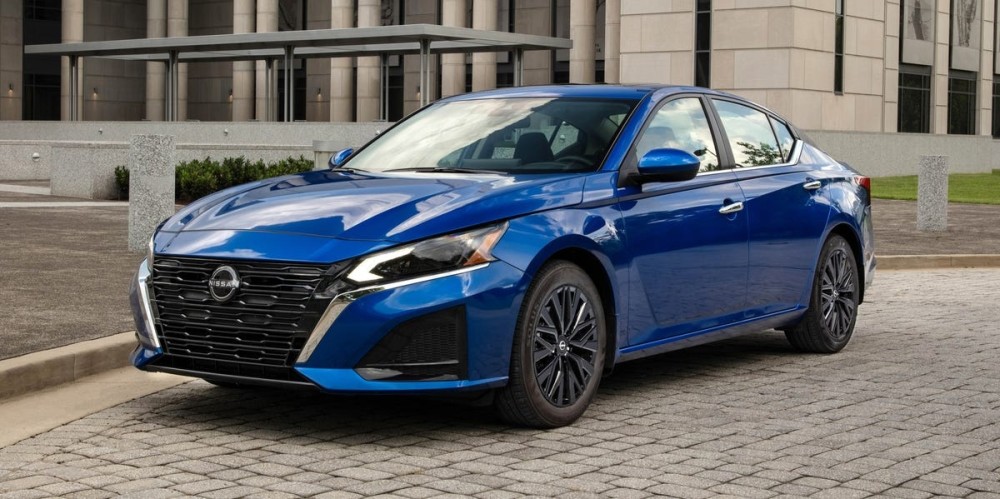
If you spend enough time around mechanics, the phrase “Nissan CVT” triggers this very specific exhausted facial expression. Especially in older Nissan Altimas, Rogues, and Pathfinders. Some owners got lucky. Others ended up replacing transmissions frighteningly early in the vehicle’s life.
A modern transmission replacement can easily cost more than the car is worth by the time it fails. Which is a deeply unpleasant realization to have in a service department waiting room.
Luxury brands, meanwhile, operate in their own completely detached financial universe.
People shopping for used German luxury cars sometimes focus so hard on the purchase price that they forget the repair costs never really become “used.” A cheap older BMW still repairs like a BMW. Same story with Audi, Mercedes, and especially Land Rover products. The vehicle may depreciate. The parts department apparently does not.
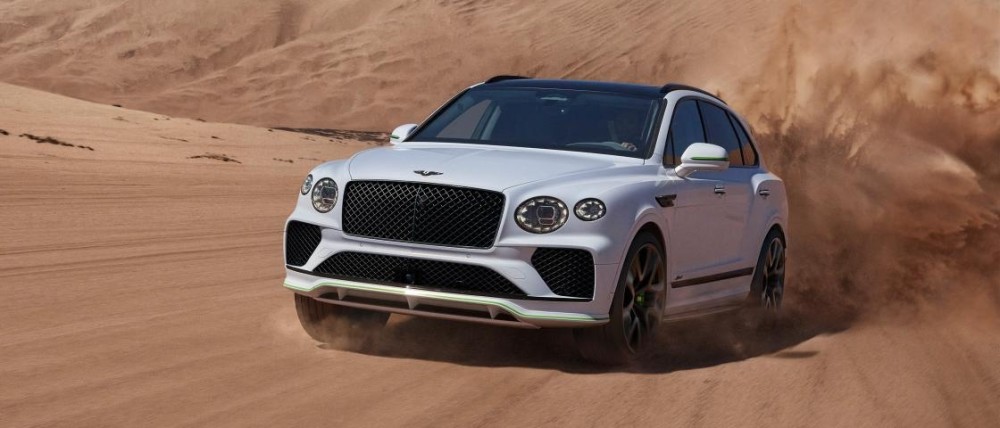
And Bentleys? Bentleys don’t have maintenance costs so much as recurring tribute payments.
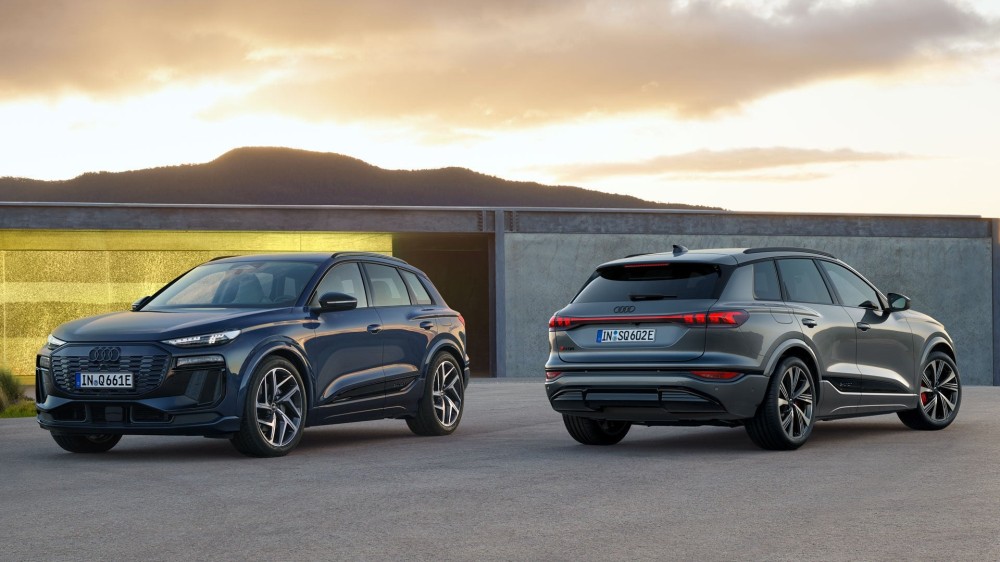
What’s funny is that EVs entered the chat promising freedom from expensive maintenance, and to be fair, they do eliminate a lot of traditional headaches. No oil changes. Fewer moving parts. Less routine servicing overall.
But the battery situation still hangs over the market like a thundercloud.
Most owners won’t need a battery replacement anytime soon because warranties are pretty long now. But outside warranty? Replacing a major EV battery pack can cost the same as buying an entire decent used car. That reality makes a lot of secondhand EV shoppers understandably nervous.
Honestly, the smartest thing a buyer can do before purchasing any used vehicle is spend two hours researching common failures instead of only watching YouTube reviews talking about ambient lighting and cupholders.
Look up repair forums. Read owner complaints. Search the words “common problems” alongside the exact model and engine.
Because some cars become cheap for a reason.
And the difference between a reliable daily driver and a financial horror movie is often hiding under the hood where nobody bothered looking carefully enough before buying it.