Mercedes Service A vs. B: The Simple Difference That Turns Into an Expensive Surprise

by AutoExpert | 29 June, 2026
Owning a Mercedes is one of those things that sounds very glamorous right up until the service advisor says, “Your car is due for Service B.”
That is usually the moment the mood changes.

Because most people shopping for a Mercedes spend a lot of time thinking about the car itself. The badge. The cabin. The way it drives. The image. Maybe even the monthly payment. Then real ownership begins, and suddenly you are learning that Mercedes does not just do “a service.” It does Service A and Service B, and the difference between the two is not just a letter. It is time, labor, and very often a much bigger bill than you were hoping for.
The basic idea is simple enough. Mercedes uses a two-step maintenance rhythm. Service A is the lighter visit. Service B is the more involved one. Then the car keeps alternating between them for as long as you own it, like a very expensive metronome.
Service A comes first. On most Mercedes models, it shows up around one year or 10,000 miles, whichever comes first. This is the easier of the two. Think of it as the foundational service. Fresh synthetic oil, a new oil filter, fluid checks, tire pressure check, brake inspection, maintenance counter reset, the sort of stuff that keeps the car feeling healthy without getting too deep into it. It is not nothing, but it is the version of Mercedes servicing that still lets people pretend this ownership experience is manageable.
Then Service B arrives, usually around two years or 20,000 miles, and that is when Mercedes reminds you what kind of brand it is.
Service B includes everything from Service A, but then adds more of the things that make the invoice jump. Brake fluid. Cabin air filter. On some models, engine air filters. On diesels, extra items. On AMG and V12 cars, naturally, even more opportunities for your wallet to feel attacked. It is the more comprehensive visit, the more labor-heavy one, and very much the reason Mercedes service discussions tend to sound different once someone has owned the car longer than twelve months.

That is the pattern from there on out. Year three, Service A. Year four, Service B. Year five, back to A. It keeps going like that, which sounds organized and elegant until you realize it also means you are effectively being asked to show up and pay premium-brand maintenance money every single year.
And yes, that adds up quickly.
This is usually the part where people ask the obvious question: is there really that much difference between Mercedes Service A and B, or is this just branding wrapped around an oil change?
No, there is a real difference.
Service A is basically the lighter check-in. Service B is the more serious health review. If Service A is the car asking for fresh basics, Service B is the car asking for actual attention. That does not mean every B visit will be catastrophic, but it does mean it is the one more likely to make people briefly question their life choices in the waiting lounge.
The cost difference reflects that.
Service A is usually the more tolerable one, though “tolerable” is doing some generous work when Mercedes dealer pricing gets involved. It is often somewhere in the low hundreds, depending on model, location, and dealer mood. Service B is the one that tends to punch harder. More parts, more labor, more time, more money. And because Mercedes builds everything from relatively sensible C-Classes to giant SUVs and fire-breathing AMG toys, there is no single neat number that really captures it. A smaller Benz and a G-Wagen do not live in the same financial universe, even if the service menu uses the same letters.
That is why Mercedes owners quickly learn a truth that applies to a lot of luxury cars: buying the car is only the beginning of the expensive relationship.

And yes, you can absolutely get maintenance done outside a dealer. Plenty of people do. A good independent Mercedes specialist can save you real money, and often knows exactly what they are doing. But whether you stick to the dealer or go independent, the basic logic of A versus B remains the same. The car still needs what it needs. The only real question is how much you are willing to pay, and who you trust to do it properly.
That is also why keeping to the schedule matters more than people want it to. Mercedes service intervals are not random. They are designed to catch smaller issues before they turn into uglier ones, and with a car like this, ugly tends to get expensive fast. Skip the easier maintenance often enough, and eventually the car finds a more dramatic way to remind you. German luxury cars have a very particular talent for doing that.
The other thing people forget is resale.
A Mercedes with consistent service history always looks better than one with fuzzy paperwork and long gaps between visits. Buyers notice. Dealers notice. Even if you plan to keep the car for years, the record still matters because a well-documented premium car feels cared for in a way a neglected one never does. And on a used Mercedes, confidence is worth real money.
So what is the real difference between Mercedes Service A and B?
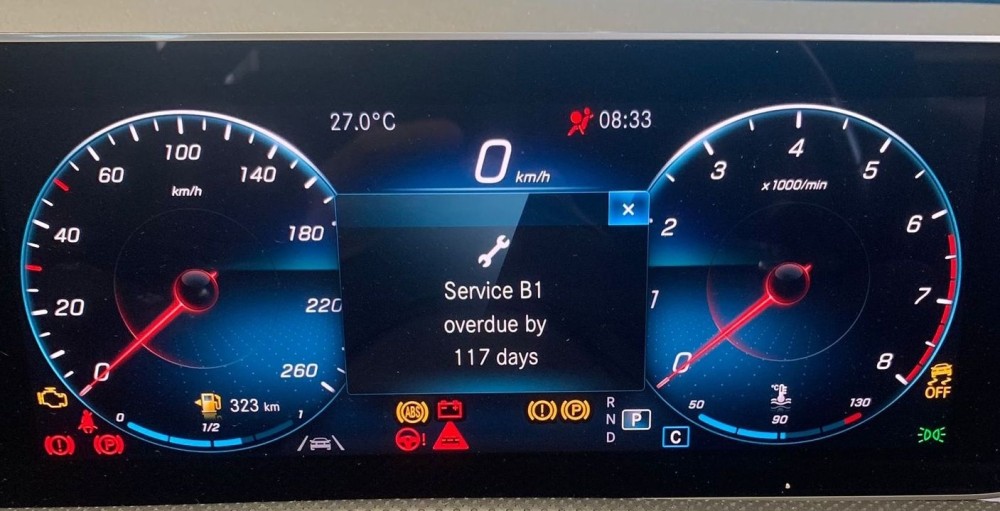
A is the lighter, earlier, maintenance-basics visit. B is the more comprehensive, more expensive follow-up that builds on A and adds the things Mercedes does not want you putting off. That is the simple version.
The less simple version is that these two services are really your introduction to what Mercedes ownership actually costs once the honeymoon period is over.
And if you are buying one, especially used, that is the part you need to understand before the first service reminder lights up your dashboard and ruins an otherwise perfectly nice morning.