A Parked Car Gets Dangerously Hot Way Faster Than People Think, and Cracking the Windows Barely Does Anything

by AutoExpert | 7 July, 2026
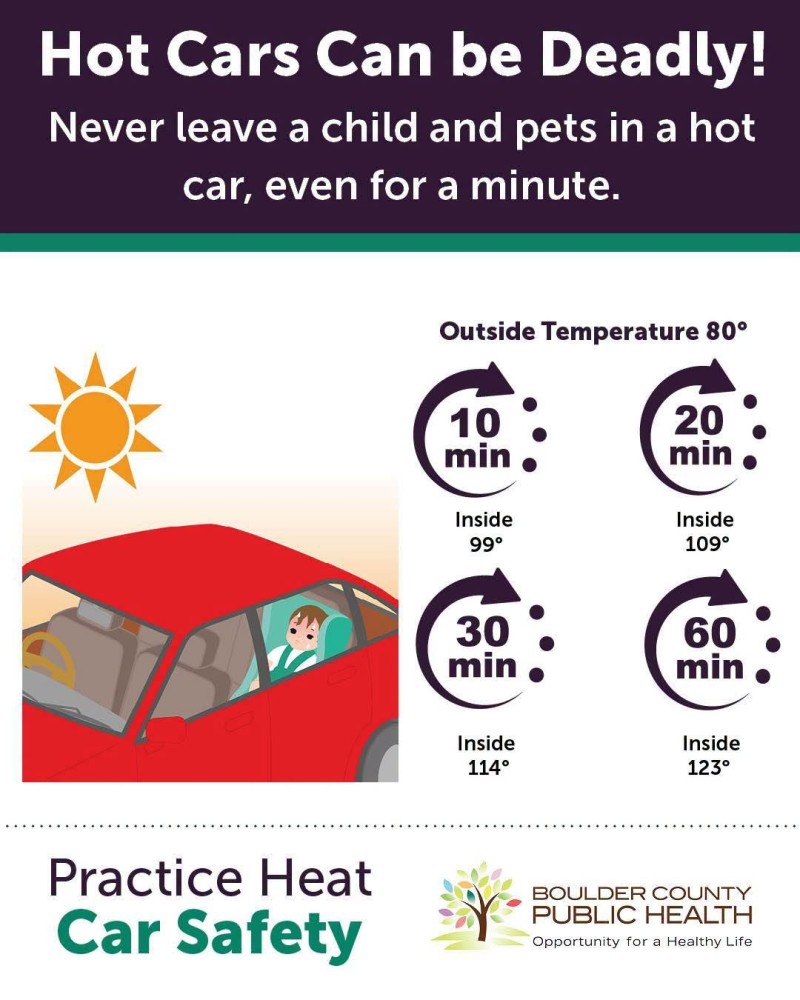
A lot of people still think a parked car needs a long time to become dangerous in summer. It doesn't. That is the part people keep underestimating. They picture a car slowly getting hotter over the course of an hour or two, like an inconvenience building in the background. In reality, the temperature inside climbs fast enough that “I’ll only be a few minutes” becomes a very stupid sentence very quickly.
That is exactly what ADAC’s tests make painfully clear. In one of their measurements, the inside of a car hit 50 degrees Celsius after just 30 minutes in the sun. Not after all afternoon. Not after a whole day baking in a parking lot. Half an hour. Leave it longer and it only gets uglier. After about 90 minutes, the temperature inside was just over 59 degrees Celsius.
And that is only the air.
The surfaces inside the car are even nastier. The steering wheel and dashboard climbed past 70 degrees in the test. Some parts inside, like seat-belt buckles or child-seat surfaces, can hit around 80. At that point, it is not just miserable. It is dangerous. You are talking about real burn risk, not just that automatic little hand recoil when you touch a hot wheel and swear under your breath.
That is why this stuff matters so much. A hot car is not just uncomfortable. It becomes actively unsafe, and it does it fast.
ADAC also tested what actually helps, which is the part most people really want to know. Not all sun protection works equally well. Some things genuinely make a difference. Some just make people feel like they did something.
The best result came from a cover that shielded much more of the vehicle. That brought the cabin temperature down by about 10 degrees compared with the unprotected car. An exterior reflective windshield cover also worked well, cutting the temperature by around 8 degrees. An interior reflective sunshade helped too, but not nearly as much. A white towel on the dashboard barely moved the needle.
That all makes sense once you stop and think about where the heat is coming from. The earlier you stop the sun from pouring in and heating everything up, the better the result. Once the heat is already trapped inside the car, you are playing catch-up.
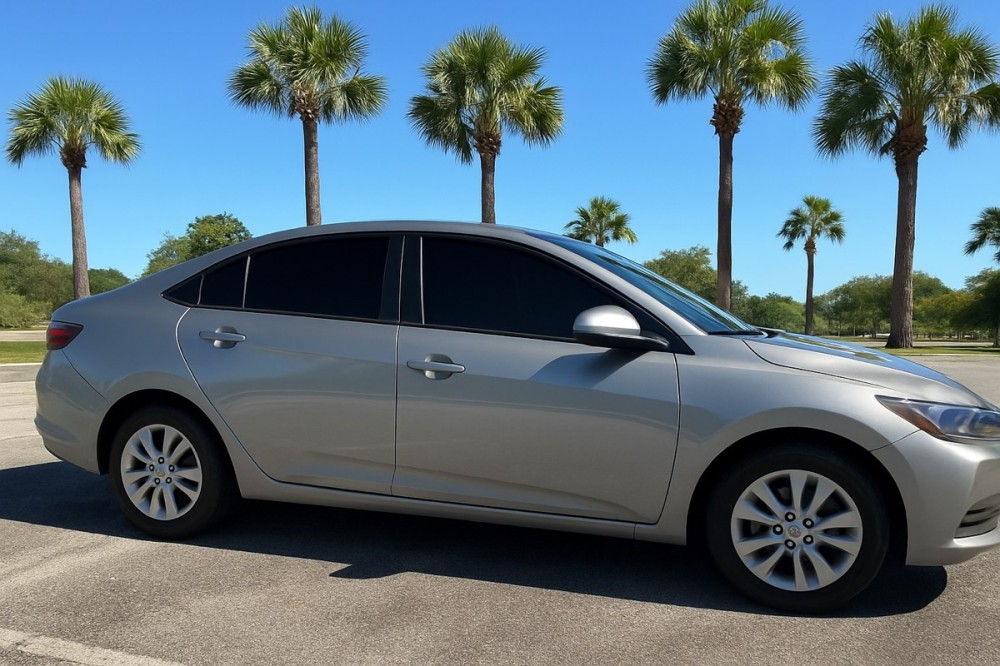
Tinted windows were interesting too. They did not dramatically lower the air temperature inside the cabin, but they made a much bigger difference on surface temperature, especially in the back. That matters a lot more than people think if a child is sitting there. A seat or side area that is nearly 10 degrees cooler is not some technical footnote. It is something you actually feel immediately.
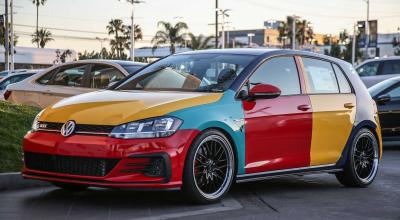
ADAC also confirmed something most people sort of know already but still ignore when buying cars: color matters. Black cars get hotter. Not a little. A lot. In the tests, the black bodywork got dramatically hotter than the white one, and the inside of the white car ended up noticeably cooler too. Not magically cool, obviously, but cooler enough to matter.
That is the thing about heat in cars. Small differences add up. A few degrees less from the body color, a few more from a proper reflective cover, a few more from shading the surfaces that take the direct hit, suddenly the whole experience is less punishing. Still hot, still not safe for anyone to be left inside, but less brutal.
And that brings us to one of the most common myths people still cling to: cracking the windows.
It barely helps.
That is probably one of the most important takeaways from the whole set of tests, because people love doing this and then acting like they solved the problem. They did not. Slightly open windows do very little to change what is happening inside the car. They do not make it safe. They do not buy you some magical grace period. They do not make it okay to leave a child, a dog, or anyone else inside “just for a minute.”
That part needs to be said as directly as possible.
Never leave a child or an animal in a closed car in hot weather. It is unwise and can become life-threatening very quickly. Cracked windows do not change that enough to matter.
The same goes for heat-sensitive items. Phones, lighters, anything electronic or pressurized, none of that belongs inside a car baking in direct summer sun if you can help it.
The practical advice is not complicated. Use proper sun protection if you are parking in direct sunlight. Cover the steering wheel and dashboard. Throw a light-colored cloth over a child seat. Ventilate the cabin well before driving off. Get the hot air out first, then let the AC do its job. And if you can park in shade, do it. It sounds obvious, but obvious things tend to be the ones people stop respecting.
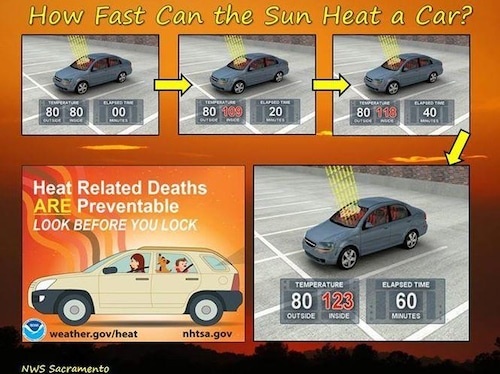
That is really what the ADAC tests underline. Summer heat inside a parked car is not a minor annoyance. It is a real hazard, it builds faster than most people think, and the lazy little tricks people rely on, like cracked windows, do almost nothing.
The car does not have to feel like an oven yet for it to already be dangerous.
By the time it feels unbearable to you, it may have been far too hot for a child or a pet for quite a while.