
NASCAR Cars Are Not Slow Now. They’re Just Not Allowed to Be as Scary as They Used to Be
by AutoExpert | 7 July, 2026
When people ask how fast NASCAR cars actually go, what they usually mean is one of two things. Either they want the big, satisfying number, or they want to know why modern NASCAR somehow looks slower than the old stories make it sound. Both questions have good answers.
The short answer is that NASCAR cars are still very fast. Seriously fast. Fast enough that if you ever stood near one at full song, you would stop using the word casually. But if you are comparing today’s cars to the wildest eras in the sport’s history, then yes, modern NASCAR is operating under a very different idea of what “fast enough” is supposed to mean.
That is because NASCAR used to chase top speed like it was a religion.
For a long time, the sport was not just about winning races. It was about pushing stock-car engineering into places that made common sense nervous. Bigger speedways, better aero, more engine, less drag, and very few people in the room asking whether maybe all of this was getting a little out of hand. The answer, eventually, was yes. Very much yes. But before that reality caught up, NASCAR produced some truly ridiculous numbers.
The most famous one is Bill Elliott’s 212.809 mph lap at Talladega in 1987, which still stands as the official record in a race-weekend context. That is not just “quick for a stock car.” That is properly unhinged. Rusty Wallace later went even faster in a test run, hitting 228 mph at Talladega in an unrestricted car, which gives you a better sense of what these machines were capable of when NASCAR stopped trying to keep them civilized.
That is the important distinction. The cars could do it. The sport just decided, at some point, that maybe they should not. And honestly, once you look at why, it is hard to argue.
NASCAR’s relationship with top speed changed because the sport finally ran into the part where physics starts asking for payment. When cars get that fast on big banked ovals, weird things happen. Tire failures become catastrophic. Aero lift becomes terrifying. Small mistakes stop being small. In 1987, Bobby Allison’s crash at Talladega was one of those moments that snapped everybody back into reality. His car got airborne, tore into the catchfence, and made it very obvious that the machines were now outrunning the safety systems meant to contain them.
That is when NASCAR slammed the brakes on the whole top-speed arms race.
Restrictor plates came in, later replaced by other methods of choking power, and the goal changed. Instead of asking how fast teams could go, NASCAR started asking how fast the sport could safely allow them to go without turning superspeedways into launch zones. That is why the modern numbers feel different. It is not that the cars forgot how to be fast. It is that NASCAR stopped treating absolute speed as the thing worth showing off most.
Now the sport cares more about controlling speed than chasing it.
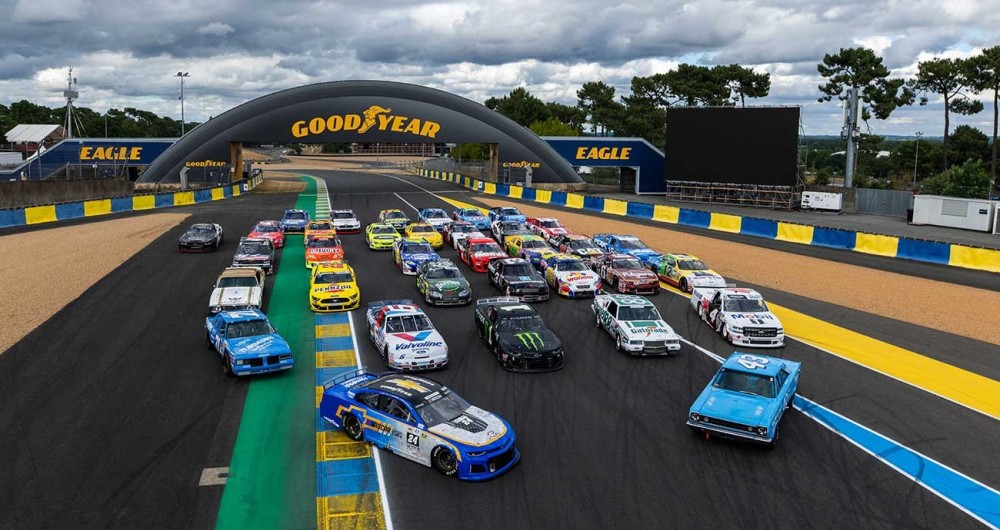
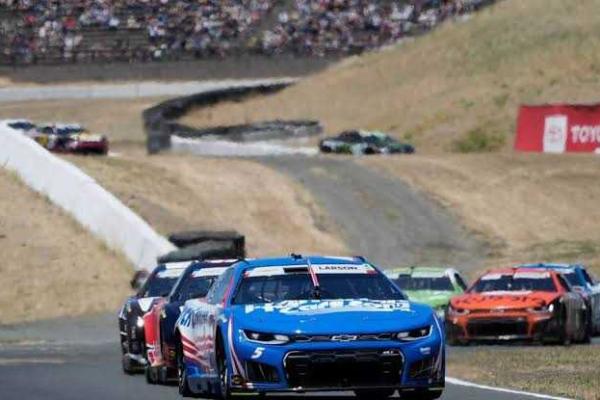
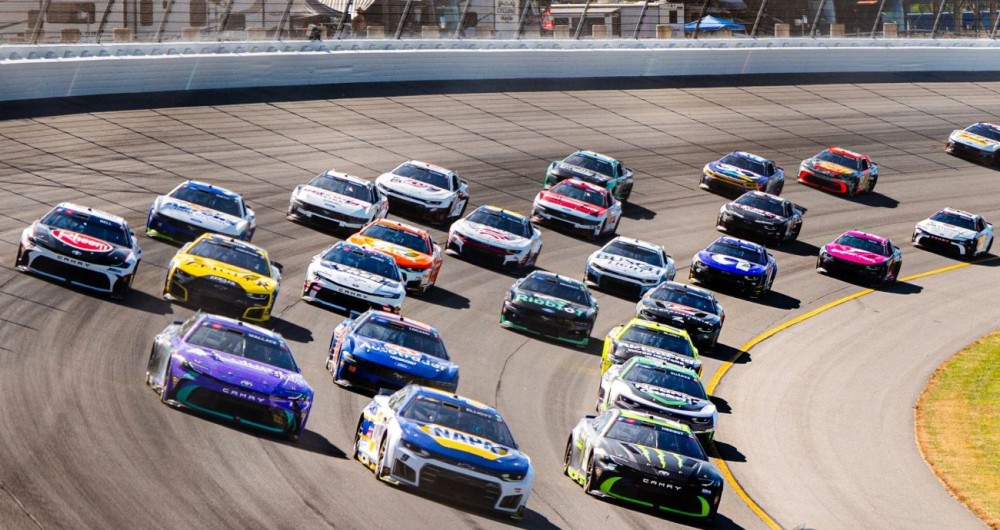
Modern NASCAR cars still haul. They are still doing serious numbers. But the current generation is built inside a much tighter box. Power output is managed depending on track type. Aero is tightly shaped. The cars are designed to be more equal, more predictable, and less likely to produce the kind of terrifying one-off engineering advantage that used to define the old speed wars. That makes the racing look different, and it also makes the whole thing visually less insane than it once was.
That is part of why modern NASCAR can seem slower than it really is.
The cars are more planted. The bodies are more controlled. The racing is more managed. The camera angles are better. Everybody has seen so much fast video now that 190 mph does not always look like 190 mph anymore. But make no mistake, those are still brutal speeds for a heavy stock car being thrown into a corner surrounded by other cars doing the same thing inches away.
The real answer to “how fast do NASCAR cars go?” depends on which era you mean.
Historically, they have gone well past 200 mph, and in unrestricted form they were capable of more than most people probably realize. In modern racing trim, the sport keeps them much more tightly capped, especially at places like Daytona and Talladega where the consequences of letting them run free again would be obvious and ugly. On other tracks, the actual speed varies with the layout, the aero package, and the power rules in play that weekend.
So yes, NASCAR used to be faster in the pure, top-speed sense. But modern NASCAR is not slow. It is regulated. That is a big difference.
And it is probably the biggest reason those old records are never getting touched. Not because engineering stopped improving. Quite the opposite. Modern cars, modern aerodynamics, and modern simulation tools would probably make those old speed records extremely vulnerable if the sport ever decided to let the teams go hunting again.
It just is never going to do that.
Because once a sport has already seen what happens when 3,400-pound race cars start flirting with flight, the romance of “faster is better” gets a lot less persuasive. That does not make the current cars boring. It just means the game changed. The fastest days in NASCAR history were thrilling, but they also scared the sport badly enough that it rewrote the rules around what thrill is allowed to look like.
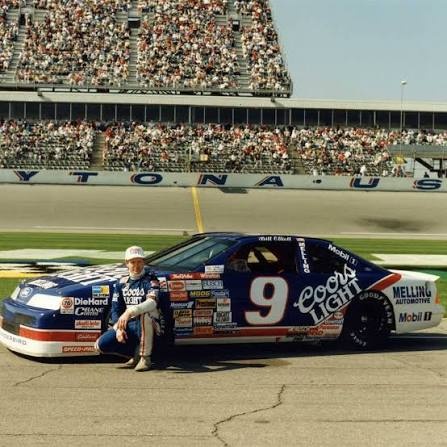
And that is why Bill Elliott’s record is probably safe forever.
Not because nobody can beat it. Because NASCAR no longer wants anyone to try.