
Honda Just Blinked On EVs And The Entire Auto Industry Is Quietly Following
by AutoExpert | 26 May, 2026
A year ago, car executives sounded like tech CEOs in black turtlenecks. Every presentation was the same. Electric-only future. Bold transformation. Internal combustion? Ancient history. If you listened long enough, you’d think gas stations would be museums by 2030.
Now? Different vibe entirely. And this week, Honda basically said the quiet part out loud.
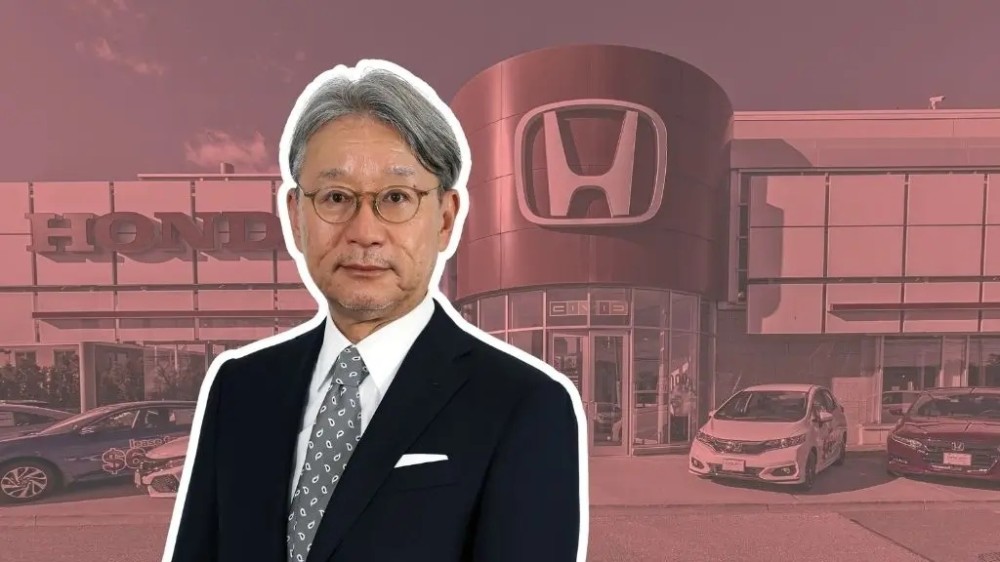
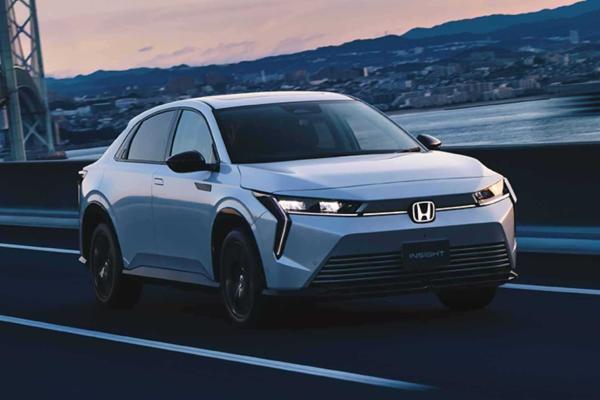
The company is backing away from its aggressive all-electric 0 Series strategy and pivoting toward something way less glamorous but probably way more realistic: flexible platforms that can build either hybrids or EVs depending on what buyers actually want.
Not what executives hoped people would want. What they’re physically signing paperwork for at dealerships.
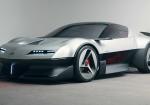
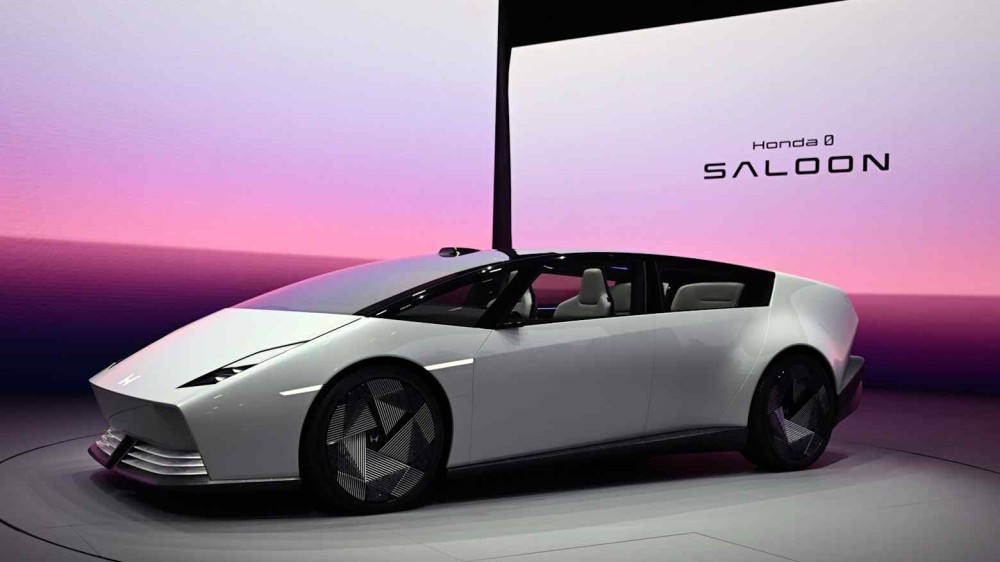
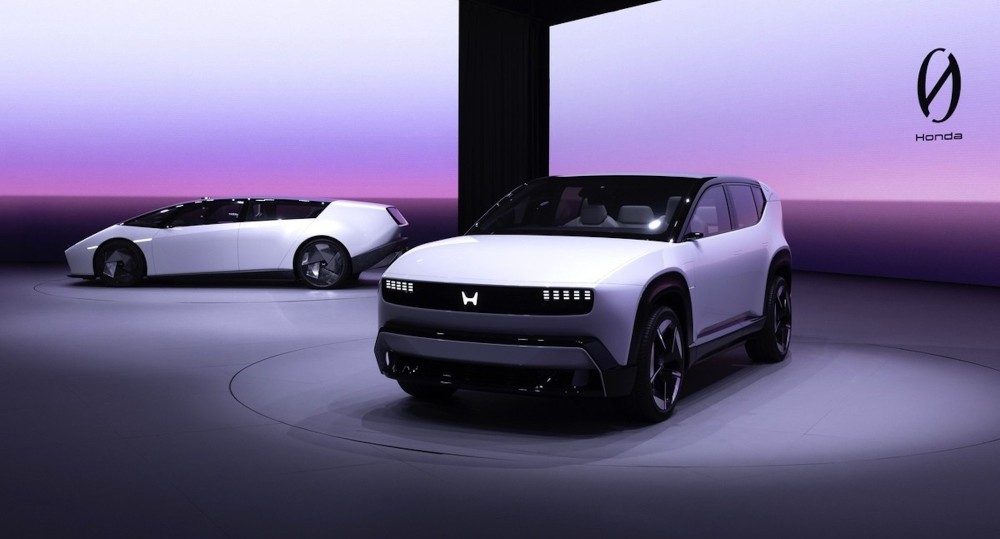
That distinction matters. Because the original 0 Series plan was a huge swing. Honda unveiled futuristic concepts at CES, promised a dedicated EV architecture, cleaner interiors, dramatic styling, all the buzzwords. The company clearly wanted its “Tesla moment.” You could practically hear the PowerPoint transitions.
Then the market cooled off.
Not collapsed. That’s important. EV sales are still happening. But the explosive “everyone is switching immediately” momentum? That flattened out hard in the U.S. during 2025. Charging infrastructure remains patchy outside major metro areas, tariffs started wrecking the economics of imported components, and suddenly building a mass-market $50,000 EV started looking like a really expensive way to disappoint shareholders.
Then came the financial hit.
Honda recently posted one of the biggest losses tied to its EV investments so far, and at some point even the most optimistic boardroom has to look at the spreadsheet and say, “Okay, maybe let’s calm down a little.”
So instead of going full electric-or-bust, Honda is now building a platform that can pivot on the fly. Same production line. Same basic chassis. One version gets a full battery-electric setup. Another gets a hybrid powertrain. Dealers order what customers are actually buying.
Honestly? It’s one of the smartest things any automaker has said in months.
Because here’s the thing the industry spent years pretending wasn’t true: America is not one market.
Someone living in Los Angeles with a home charger and solar panels has a very different relationship with EVs than somebody living in rural Kansas driving 300 miles between towns in January.
Hybrids quietly solve a lot of problems people still have with EVs. You get lower fuel costs, fewer emissions, regenerative braking, and better city mileage without reorganizing your life around charging stations or installing equipment in your garage.
And consumers noticed.
That’s why hybrids are suddenly exploding again while some pure EV sales have stalled out. Toyota saw this coming years ago and got mocked for moving slower on EVs. Now everybody else is quietly drifting toward the same middle-ground strategy Toyota never abandoned in the first place.
Even Ford Motor Company is shifting toward more flexible architectures. The industry mood right now feels a lot less “electric revolution” and a lot more “okay maybe let’s not bet the entire company on one outcome.”
Which, frankly, is probably healthier.
For buyers, the immediate takeaway is pretty simple. If you were waiting for a massive wave of affordable Honda EVs to suddenly flood dealerships by the late 2020s, pump the brakes a bit. That timeline just stretched out.
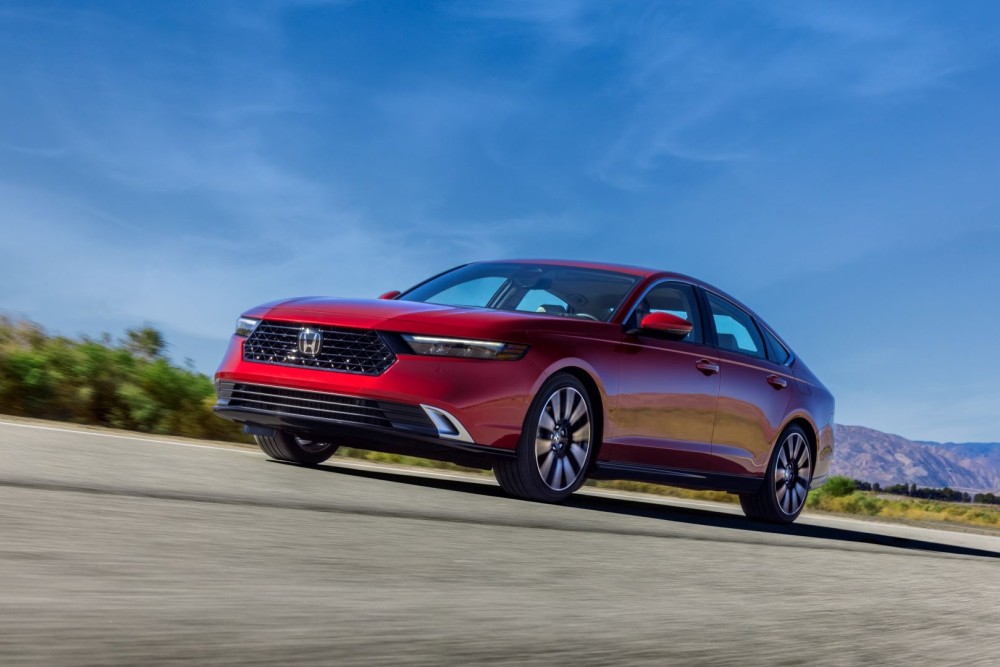
But if you’re somebody who likes the idea of lower fuel bills without fully committing to EV life yet, the next few years are probably going to be fantastic for hybrids. Expect Honda to lean hard into the Honda Civic Hybrid, Honda CR-V Hybrid, and Honda Accord Hybrid lineup while refining its EV tech more slowly behind the scenes.
And honestly, that might line up much closer to what real people actually want in 2026.
The fully electric future is still coming. It just turns out the road there is messier, slower, and way less dramatic than the industry originally pitched.
Which, if we’re being honest, is how the car world usually works anyway.